
I was three hours into CONTROL Resonant when a friend messaged: “Did you play the first one?” My stomach tightened—not from spoilers, but from the feeling I’d skipped an important chapter. You’re holding the same question right now.
I’ve covered Remedy’s stories for years; I played CONTROL at launch, reviewed Resonant and watched both climb charts on Steam and PS5. You and I can cut through the marketing and the hype: this is about narrative payoff, combat tone, and whether prior knowledge makes the new game hit harder.
Steam activity and replay threads tell the tale. Is CONTROL Resonant a sequel to CONTROL?
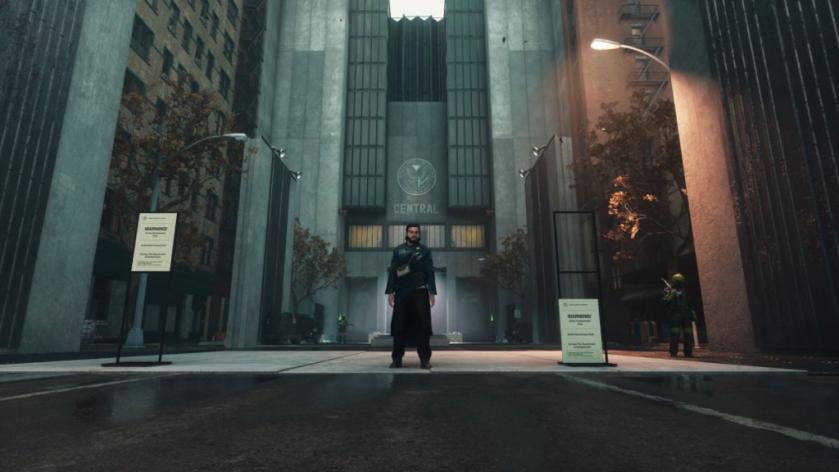
Observation: players are searching “Resonant” and “Control” together on Steam and social feeds, not by accident. CONTROL Resonant is a direct narrative follow-up to 2019’s CONTROL, set seven years after Jesse Faden’s story. Remedy threads the sequel through family ties, the FBC’s continuing mysteries, and returning faces—Dylan Faden takes the lead while characters like Dr. Emily Pope and Simon Arish reappear.
Is CONTROL Resonant a sequel to CONTROL?
Short answer: yes. It carries forward the union of paranatural stakes and the FBC’s mythos. But it intentionally reframes tone: if the first game felt like a slow-burn psychological puzzle, Resonant shifts gears and hits with a different rhythm.
Remedy co-creative director Mikael Kasurinen told the PlayStation Blog that Resonant is “a new story and a fresh entry point into Remedy’s world of the Federal Bureau of Control.” That’s true in practical terms—the narrative fills in the seven-year gap—yet the emotional threads link back to Jesse’s journey. If you’ve tasted the first game’s ending, several of Resonant’s moments land with more weight.
At a glance, combat feels different in every video reel. Should you play CONTROL before CONTROL Resonant?

Observation: every stream chat I watched split into two camps—players who came from CONTROL and newcomers discovering the FBC for the first time. The reason for the divide is simple: tone and expectations. Resonant turns combat into a faster, stunt-forward experience—it’s almost DMC in pacing—so you may feel whiplash if you expect the contemplative, corridor-bound beats of the original.
Should you play CONTROL before CONTROL Resonant?
You don’t have to. As Kasurinen said, Resonant is designed as a fresh entry point—the game stands on its own in plot mechanics. But here’s the trade: playing the first game first deepens the emotional payoffs. The sequel reuses context and character history in scenes that reward prior knowledge.
I gave both titles a 9/10 in separate reviews; both earned that score for different reasons. CONTROL is a slow-burn character study and environmental puzzle-piece machine. Resonant is visceral, focused on momentum and spectacle—like switching from jazz to heavy metal. If you want maximum resonance from character beats, play CONTROL first. If you want immediate high-octane combat, you can jump straight in.
Practical notes for players: Steam and PlayStation communities are active with guides, build breakdowns, and mod threads. If you use platforms such as Steam Workshop, Discord strategy channels, or follow outlets like Moyens I/O and Remedy’s official channels, you’ll find gear suggestions, boss tactics, and lore threads that bridge both games.
One more micro-story: I watched a player who skipped the first game reach a late-story reveal and stop the stream—silence for a full minute—then go back and buy CONTROL. Emotional beats in Resonant are arranged so some moments will direct you back to Jesse’s path, as if stepping from a quiet gallery into a fireworks display.
Final judgment: play CONTROL first if you want the full arc; play Resonant first if you crave immediate, high-energy combat. Either choice gives you one of Remedy’s best narratives and combat systems, and either way you’ll probably want to run the other right after. Which side will you take—the patient architect of the original or the person who prefers the rush of the sequel?