
I glanced at my Pyroblast timer mid-dungeon, watched my mana dip below half, and felt that old hollow panic: my spell should have hit harder. You’ve felt that sting too when a rotation doesn’t match the numbers on your gear. I want to show you why that happens in World of Warcraft: Forever — and how to stop being surprised by it.
If you like getting under the hood of a class and turning confusion into a plan, this matters more than you think. Spell Power now shapes your whole leveling arc in ways Blizzard tweaked specifically for Forever, and that changes what you chase in every dungeon run.
Spell Power in WoW: Forever
Watching a mechanic tighten a bolt, you notice small tools change big outcomes — the same is true here.
In Forever, Spell Power is the item property that raises a spell’s effective damage or healing based on that spell’s spell power coefficient. Where Retail moved toward Intellect-centric math, and earlier expansions merged separate +Damage and +Healing, Forever re-adopts the classic language: gear grants +Damage and/or +Healing through Spell Power. If a spell has a 50% coefficient and you have +100 Spell Power, expect +50 to that cast’s value.
How does Spell Power affect damage and healing in Forever?
Spell Power applies to any spell according to its coefficient. Damage-only items boost offensive casts; +Healing items raise heals. Many spells scale partially, not fully, so item choices and rank choices matter during the whole leveling curve — not just at level cap.

WoW: Forever launched with a huge Spell Power change
At retail counters, a new model replaced the old one and everyone noticed the shift.
Blizzard tied a caster’s spell strength more directly to gear — and, crucially, to weapons — starting at Level 10. The stated design intent (see the Forever deep-dive on YouTube) was to give spellcasters the same “gear progression” satisfaction melee classes experience. The result feels like a double-edged reward: you can finally find meaningful caster gear in early dungeons, but your raw spell numbers at baseline are lower than they used to be.
Why are spells weaker at base in Forever?
Because Blizzard moved power from innate spell ranks into itemization. Max ranks in Forever often land roughly half the base effectiveness of their Classic equivalents, so item Spell Power becomes the lever that restores you to expected performance. Think of base damage as a dimmer switch that now needs gear to shine; your weapon and robes stop being cosmetic and start being the difference between a tidy pull and a wipe.
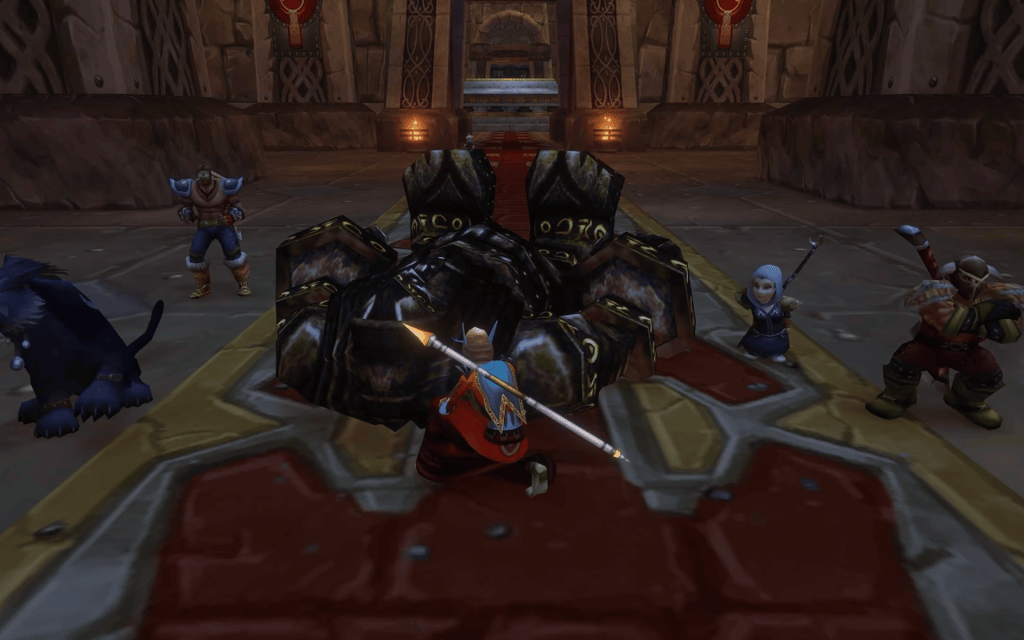
Spells are much weaker at base
When a bakery halves its cake recipe, customers notice the first bite.
That’s the blunt take: max-rank spells in Forever are frequently less potent at base than they were in Classic. The intention was to avoid the “rank-scaling” cliff where leveling spells leap past gear, but the practical effect is you need item Spell Power earlier. If you treated rank as free power before, now it’s only part of the story; gear supplies the rest.
Downrank with caution
Every chef knows the difference between a pinch and a pound; small swaps change the dish.
Downranking — binding a lower spell rank intentionally — still exists. Open your spellbook, show all ranks, and bind the version you want. I use it regularly to squeeze more damage or healing per mana. But Blizzard added friction: very low ranks can reduce procs from Class Talents and may benefit less from +Damage/+Healing from gear. A one- or two-rank drop is usually safe; an extreme downrank can cost you more than it saves.
Consider using items that boost your magic school
In music stores, an amp that favors bass shifts the whole mix; gear that favors a school does the same.
Classic-era itemization sometimes targeted a single magic school (Fire, Frost, Shadow, etc.). Forever retains that flavor in places: some pieces boost a specific school instead of granting a flat Spell Power pool. If your spec is Fire-focused, a +Fire item can outpace a generic +Spell Power slot. Use Wowhead, Icy Veins, or logs on Warcraft Logs to compare item synergy when you’re choosing a swap.
Metaphor 1: Spell Power is like a camera lens — the right lens makes the same light look sharper.
Metaphor 2: Your gear acts as a relay team; each piece hands off the numbers to make the cast finish strong.
Pay attention to healing gear
In hospitals, a small tool that helps both diagnosis and treatment is valued more than a single-use gadget.
Healers got a small comfort: when a piece gives +Healing, roughly one third of that bonus also counts as +Damage. That gives Priests and other healer-casters a way to contribute when they have to aggressive-cast, and it softens the sting of lower base casts. Still, with base Spell Power down, healers must chase +Healing earlier than before to keep pace during leveling.
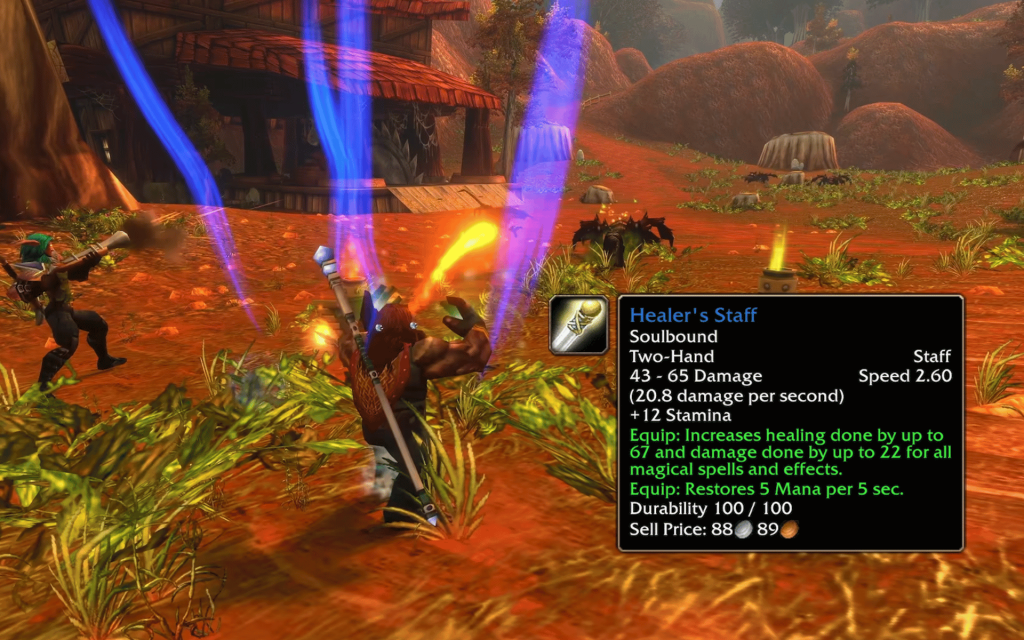
Want tools? Use Wowhead for item comparisons, Icy Veins for practical leveling builds, and Warcraft Logs to test real pull numbers. Look at the YouTube Forever breakdowns and Moyens I/O’s coverage if you need context on patch intentions. The changes are deliberate: Blizzard made casters gear-dependent earlier to give progression hooks to the class — but that doesn’t mean the playstyle improved for everyone.
So where do you go from here: chase weaponized Spell Power, prefer school-specific bonuses when they match your spec, and downrank only within one or two steps unless you’ve tested the math. Are you ready to argue whether this is an improvement or a punishment?