I was staring at a fare alert when the number jumped again — my stomach tightened faster than the cursor blinked. You have a flight in mind; you also have a budget. Book now or gamble that prices will fall: that’s the moment.
I’m going to walk you through the data, the quotes, and the small moves that save real money. You’ll see where the pressure is coming from, how airline CEOs are reacting, and the practical play if you want to avoid a last-minute shock.
Fuel costs are pinching ticket prices
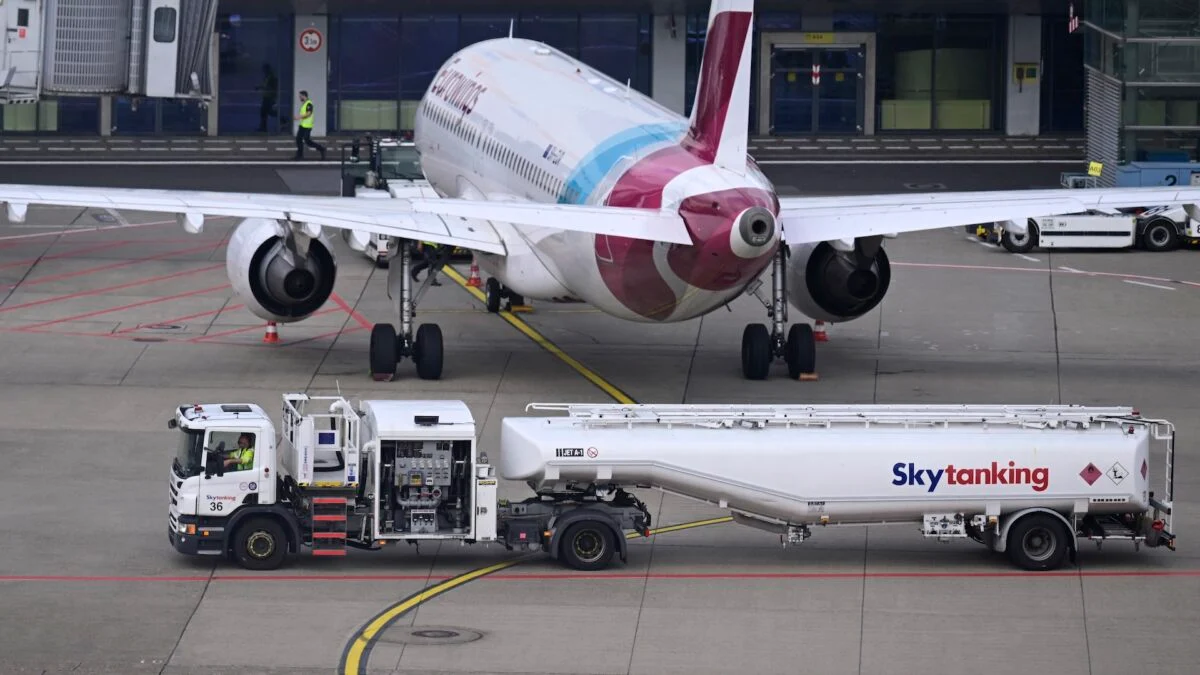
On Feb. 28 the Argus Jet Fuel Index put U.S. jet fuel at $2.42 per gallon (€2.23); it rose to $4.88 (€4.49) in early April and was $4.43 (€4.08) on Sept. 11.
That volatility matters because fuel is a big line item for airlines. Kayak’s dashboard showed the average domestic round-trip at $390 (€359) on Aug. 31, up from $290 (€267) a year earlier. International fares followed a similar arc: $896 (€824) on Aug. 31 versus $705 (€649) a year ago, with a May peak around $1,106 (€1,018), according to IATA.
Avelo founder Andrew Levy told Fox Business the situation is “uncomfortably high” and that carriers will pass costs along if it persists. Translation: airlines have a narrow choice between shrinking margins or raising fares — and they usually choose the latter.
Should I book holiday flights now?
Yes, if your dates are fixed. Prices are already higher than last year and fuel volatility predicts risk, not relief. If you can be flexible on timing and airports, watch alerts from Kayak, Google Flights and Hopper — but don’t assume fares will drop; airlines are signaling the opposite.
Diesel, supply shocks and the ripples you feel at checkout
Diesel hit $6.23 (€5.73) on Labor Day and has kept climbing — you saw it at the pump and in grocery aisles.
Diesel is the hidden travel tax: trucking costs feed into everything that touches your trip, from snacks at the airport to new parts for rental cars. Add refinery issues — Reuters reported a power outage at Exxon Mobil’s Joliet plant, which handles roughly 11 million gallons per day of gasoline and diesel — and you get more reasons for prices to wobble upward.
Why are airfares rising?
Because fuel and supply-chain pressure raise airline operating costs, and because capacity or routing constraints make it easier for carriers to keep fares high. Geopolitics — specifically the war involving Iran and U.S. military activity — has tightened routes and risk premiums, pushing jet fuel and crude prices higher.
Wages are lagging while prices climb
CNBC reports consumer prices up 3.4% year-over-year in August while typical wages rose about 3.1% — a squeeze many people feel at checkout and on boarding passes.
This is not just math: it’s behavior. When wages don’t keep pace, discretionary spending — vacations, theater tickets, a weekend in Vegas — is the first to shrink. Your travel budget is a soft target; airlines and hotels know which levers to pull because demand from higher earners remains stronger.
Supply routes are brittle — the Iran factor
After the Sept. 10 drone strike on Saudi Arabia’s East-West pipeline, markets reacted. That pipeline used to bypass the Strait of Hormuz and carried millions of barrels per day.
Less oil flowing freely raises global risk premiums and forces extra military escort for tankers through chokepoints. That raises shipping insurance, reroutes tankers, and lifts the price of crude and refined products — and jet fuel swings follow. The geopolitical shock is a major reason fuel climbed this spring and remains elevated intermittently.
Will airfares drop before the holidays?
Possibly, but don’t bank on it. Historically, fares can dip if demand softens or if fuel declines steadily. Right now the trendline is jagged; supply disruptions and higher diesel/refining stress make a sustained drop unlikely unless the conflict eases or a large supply source returns online.
Real people are changing behavior — Vegas gives the warning sign
Nevada Current reported a 7.5% decline in visits to Las Vegas this year, with younger and first-time visitors pulling back.
That’s the K-shaped pattern in action: wealthier travelers keep spending while lower-income groups cancel. Think of prices as a rising tide that lifts only some boats — the wealthy keep cruising while everyone else bails out. For travel demand, that means fewer casual trips and more price sensitivity where once there was impulse spending.
If you’ve been waiting for a miracle, watch these names and tools: Kayak and Google Flights for alerts, Argus and IATA for fuel trends, and Reuters, WSJ and CNBC for market-moving events. Follow airline execs like Andrew Levy for signals that carriers will shift fares. And yes, keep an eye on Truth Social and public statements from President Trump for political risk cues that markets react to.
My practical read: if your dates are fixed and the trip matters, book now and buy a modest refundable or changeable fare if it gives you sleep at night. If you’re flexible, set aggressive alerts across Hopper, Google Flights and Kayak and lock in if you see a dip that fits your budget.
Prices have turned your holiday plans into a small gamble — your wallet feels like a slow leak and the faster you act, the less you pay for plugging it. Will you pay now to protect the trip, or wait and risk the fare that eats your holiday budget?