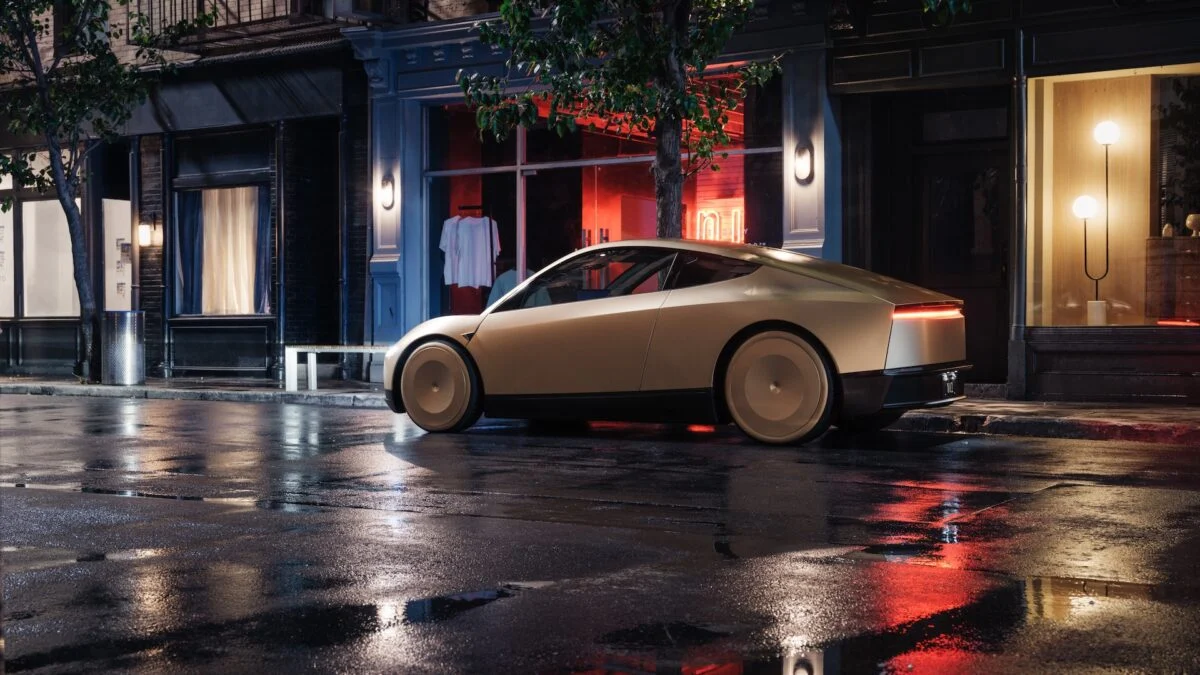
They climbed into a Cybercab in downtown Austin on opening day, expecting a demo of Tesla’s vision. The doors closed without a steering wheel to grip and the car hummed away with no human at the controls. Minutes later, the federal regulator had sent an order that could change everything.
I’ve followed regulatory fights over driverless cars for years, and you should read this as if it matters to your street and your safety: it does. I’ll walk you through what NHTSA wants, why Tesla’s approach is now under pressure, and what’s likely to come next.
There are Cybercabs on Austin streets right now — and that timing matters.
On Sept. 3 Tesla began offering paid rides in a robotaxi that removes familiar controls: no steering wheel, no rearview mirrors, no pedals. Three days later the National Highway Traffic Safety Administration opened an investigation into how Tesla self-certified the vehicle as meeting federal standards.
The agency escalated that review on Sept. 10, issuing a special order demanding technical data and documentation about “the process and technical data on which Tesla relied when certifying the Cybercab and related issues.” Tesla has until Sept. 30 to respond. If the company fails to answer fully or honestly, the penalty could be as high as $139 million (≈ €129 million).
Inspectors asked for 21 specific items — and some of them go straight to design choices.
When a regulator writes 21 numbered requests, you can feel the pressure tighten.
Among the questions: how many Cybercabs are operating and where, the data Tesla used to decide which Federal Motor Vehicle Safety Standards (FMVSS) apply, and whether some rules written for human-driven cars shouldn’t apply to a vehicle with no human driver. Request 10 explicitly asks Tesla to name any FMVSS it believes do not apply and explain why. Request 19 points out that current rules require a foot-operated brake and asks Tesla to explain compliance without one.
That’s the heart of the clash: Tesla self-certified a design that removes safety features regulators still write into law. NHTSA has previously proposed updates to brake-pedal requirements for vehicles intended to be driven only by automated systems, but those updates are not yet finalized.
What did NHTSA ask Tesla?
You can see the scope in the order itself: fleet counts and locations, test and validation data, software change records, human-machine-interface descriptions, and legal rationale for why specific FMVSS do or don’t apply. The agency wants data that ties the Cybercab’s design choices to real-world safety performance.
You can compare Tesla’s route to Zoox — and the contrast is revealing.
Zoox, now owned by Amazon, took a different path when it built a robotaxi without a steering wheel.
In 2025 Zoox applied for and received a demonstration exemption from some FMVSS requirements and later a temporary deployment exemption allowing up to 2,500 robotaxis per year for two years. NHTSA said Zoox had shown an equivalent level of safety to vehicles that meet all FMVSS. Tesla did not seek an exemption; it certified the Cybercab itself and pushed the vehicle into commercial service. That choice is the main reason the agency is pressing for detailed documents now.
Why is the Cybercab under investigation?
Because Tesla declared compliance with federal standards for a vehicle that lacks controls those standards typically assume. Regulators want to know whether Tesla’s legal and technical arguments are sound or if the company has created an enforcement gap.
Regulators are asking for proof, not promises.
An NHTSA special order is not a polite request; it carries teeth.
The agency’s administrator, Jonathan Morrison, framed the inquiry as an effort to protect safety while supporting automated vehicle deployment. The order requires Tesla to produce records, testing protocols, failure analyses, software-change logs, and the legal rationale behind its certification choices. If you work with data from simulation platforms, fleet telematics, or SAE-level testing tools, those logs will be precisely what NHTSA will examine.
Tesla’s options are limited and the clock is short.
Tesla now has until Sept. 30 to supply the requested materials — a tight window for a company with a sprawling software and testing footprint.
If the documentation supports Tesla’s view that some FMVSS don’t apply to a fully autonomous design, the company can try to defend its self-certification. If the records are incomplete, inconsistent, or unpersuasive, NHTSA can press for corrective action, force recalls, or even issue civil penalties. The situation looks like a trick pulled into the open — like a magician’s sleight revealed under daylight.
Tensions here will shape how other companies deploy robotaxis.
Autonomous vehicle startups and tech giants are watching closely.
Zoox’s exemptions set a precedent: regulators can grant limited, conditional paths to operate without traditional controls. Tesla’s decision to certify instead of seeking exemptions has created a legal test case. Regulators, investors, and rivals such as Waymo and Cruise will read the outcome as a signal about acceptable certification strategies and the appetite for enforcement.
What should you watch for next?
Keep an eye on the Sept. 30 deadline and any follow-up letters or public summaries from NHTSA.
If Tesla’s response is thorough and data-rich, the agency may quiet the probe quickly. If gaps remain, expect procedural orders, demands for recalls or modifications, or a broader rulemaking push to update FMVSS to match vehicles without driver controls — a shift that would require more than agency guidance; it would need consensus from manufacturers, safety advocates, and Congress. The outcome could snap the industry into a new regulatory rhythm, running as precise as a Swiss watch.
If regulators grant an exemption like they did for Zoox, the industry gets a playbook. If they levy penalties or force design changes, manufacturers will have to pick between seeking formal exemptions or redesigning vehicles to fit existing rules. Which path will set the standard for the next decade of autonomous mobility?