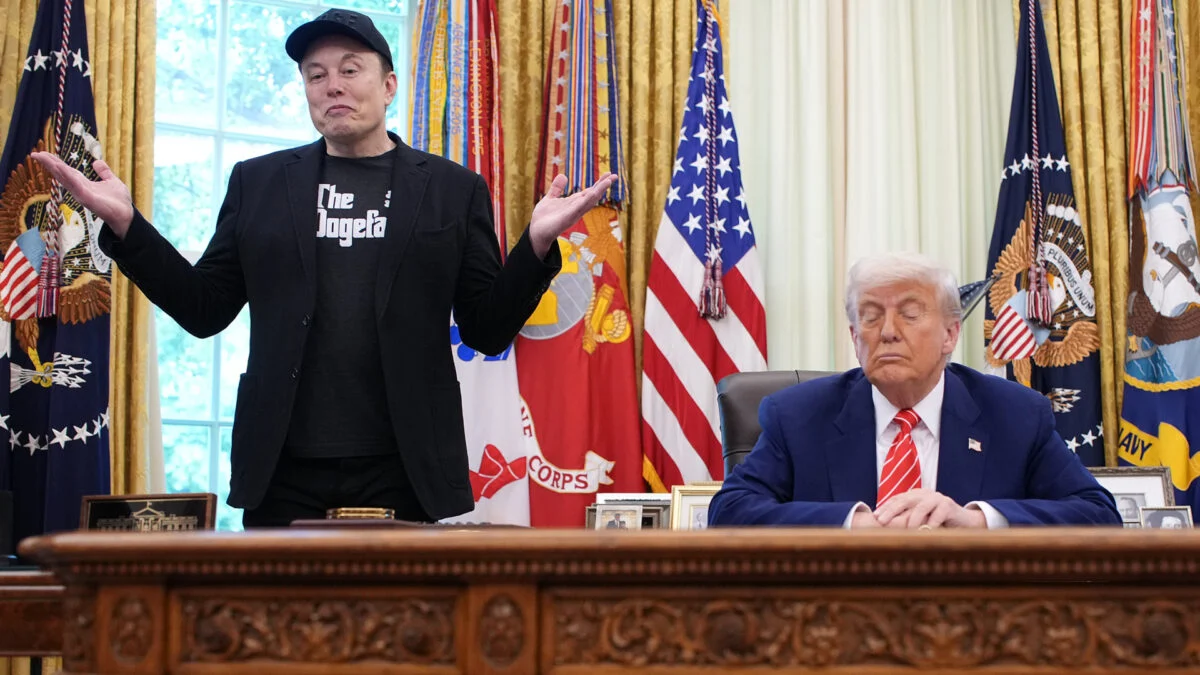
I read Bloomberg’s tip at 2 a.m. and the room felt smaller—one sentence turned a boardroom plan into a political race. You can sense the pressure when insiders say a merger must close before a president leaves office. I want to walk you through why that deadline matters, and what it would mean if Musk pulls it off.
Elon Musk has told investors and reporters that Tesla and SpaceX are formally exploring a merger that would fuse a carmaker, a private launch provider and the company behind Starlink into one giant holding structure. The attraction is obvious: a pay package rumored to be worth about $1 trillion (€930 billion) if packaged the right way. Bloomberg’s anonymously sourced piece adds a twist—people familiar with the talks say there’s pressure to announce a deal by the first half of 2027 so it closes during the Trump administration.
Tesla and SpaceX didn’t respond to Bloomberg or to our request for comment. That silence is part of the story—companies speak through filings, timing and leaks. Here are the stakes, the likely mechanics, and where the real fights would probably start.
Traders noticed the rumor at dawn: market jitters and the trillion-dollar carrot
Markets can smell a calendar. When a deal is framed as “must close under X administration,” investors hear risk and reward in the same breath.
There’s a simple financial motive: combine Tesla and SpaceX and you centralize Musk’s voting power and assets, opening paths to compensation structures that wouldn’t be possible across separate public and private firms. The $1 trillion (≈ €930 billion) figure keeps the conversation from being abstract—people can imagine stock awards and control mechanisms large enough to reshape executive pay norms.
Musk’s corporate stack is a rocket with a car strapped to its side, and that visual helps explain why a single corporate roof is tempting: shared tech, shared AI investments and a single governance structure that can move money and influence more freely.
Why would Musk rush a Tesla–SpaceX merger before Trump leaves office?
Insiders whisper several theories. One is timing: regulators and Congress change with election cycles, and a new majority could alter the legal window for approvals or open investigations into conflicts between defense work (Starlink, SpaceX) and global consumer operations (Tesla).
Another is optics. A deal announced and closed under an administration seen as favorable to deregulation—or at least not hostile to Musk’s agenda—avoids the uncertainty of an opposition-controlled Capitol or an administration more willing to challenge the structure of colossal corporate combinations.
On Capitol Hill, aides are sharpening memos: political blowback and Musk’s public threats
Democratic staffers have been trading notes about potential oversight angles, and Politico reported they’re eager to make Musk’s life harder if they gain ground in Congress.
If Democrats regain one or both chambers, they could pursue legislative or investigative avenues that make integration costly: subpoenas, antitrust inquiries, funding fights over defense contracts, and scrutiny of past federal budget moves tied to Musk-era priorities—yes, that includes his DOGE-era budget cuts and other controversial policy pushes.
Live by the sword, die by the sword.
Those who pick fights with me should understand that I will find out who is really pulling the strings and come for them, not just their puppets … https://t.co/L7xNa6yCm0
— Elon Musk (@elonmusk) October 21, 2026
Could antitrust block a merger between a carmaker and a space firm?
It’s not an obvious monopolist-on-paper play, but regulators look at more than product overlap. They examine market power, control of critical inputs, and the potential to foreclose competition in adjacent spaces—here, that includes AI chips (Terafab), autonomous driving software, satellite broadband, and data aggregation.
Together, Tesla and SpaceX already touch similar AI supply lines: both invested in the Terafab AI chip plant, and Tesla once backed xAI before it moved under SpaceX’s umbrella. Combine those assets and you create a single corporate node that could control hardware, networks, and data—a configuration antitrust enforcers love to scrutinize.
The merger would be a corporate supernova: the immediate effects would be explosive and visible, and the regulatory debris field would last for years.
In boardrooms, lawyers are mapping exits: China, Starlink and the practical fixes
Tesla’s China business is not theoretical; it’s roughly 20% of Tesla’s revenue and a live operational headache for any combined firm that also runs Starlink—illegal in China and entwined with defense contracting.
JPMorgan’s memo (reported by Benzinga) floated a practical workaround: transfer Tesla China to a consortium of local firms, a mirror of the TikTok U.S. carveouts that have been proposed elsewhere. That fix could smooth regulatory paths but would bring new political and commercial risks, from valuation fights to national security questions.
Lawyers and bankers know how to sketch these maps: carve-outs, voting trusts, foreign investors on separate boards. But every workaround adds friction, disclosure and, crucially, time—time a timeline tied to an administration will not grant freely.
How would a Tesla–SpaceX merger affect Tesla’s China operations?
Practical fallout looks like this: pressure to divest, local partner negotiations, potential forced licensing of tech, and higher compliance costs. If Washington or Beijing raise objections, the combined company could be forced into concessions that shrink anticipated synergies and anger shareholders.
Remember that congressional oversight doesn’t need a case to start investigations; it needs jurisdiction and appetite. Midterm results that flip committee chairs could replace rumors with subpoenas.
I’ve covered deals and hearings where calendar dates mattered more than logic—deadlines change bargaining power. You should be asking whether a rushed deal is a smart business move or a defensive scramble to lock assets behind a friendly administration’s term.
So who benefits if the clock runs out and the merger doesn’t close—Musk, his rivals, or the watchdogs who prefer firms stay separate?