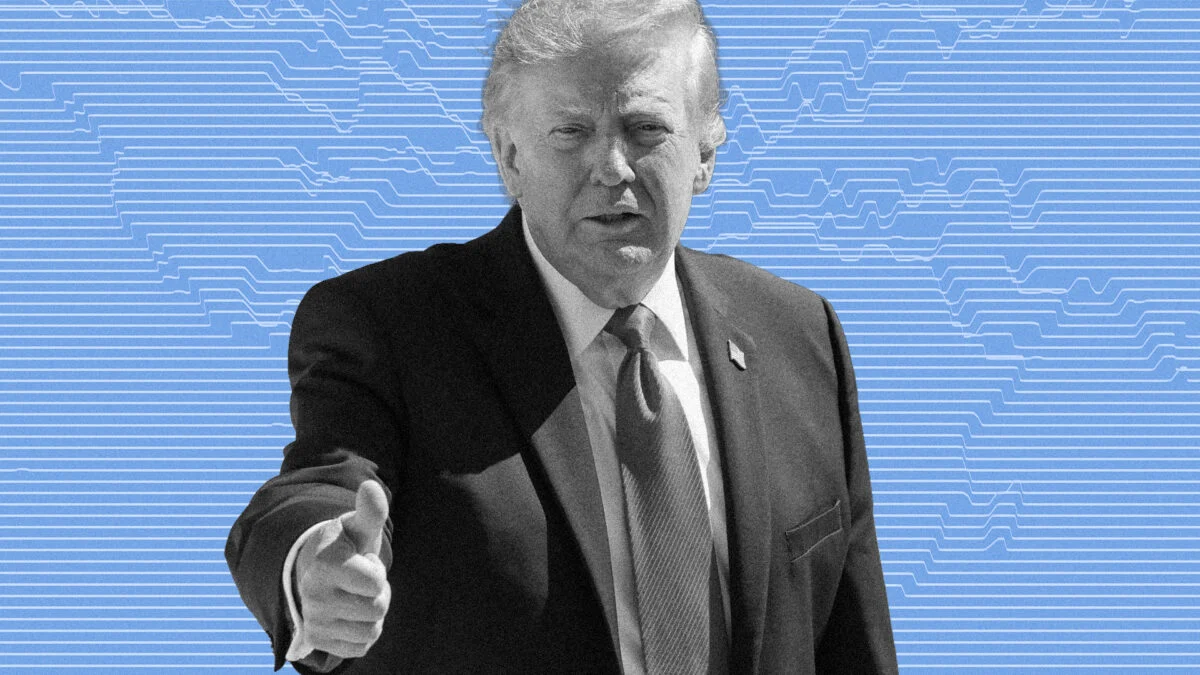
I stood up from my desk when a clip of the rally popped up: Trump grinning, asking if Google could rename an ocean. The room went quiet because the question hung between absurdity and authority. You could feel the moment where a prank meets policy.
At a Clemson University rally, Trump says he called Sundar Pichai about renaming the Atlantic Ocean.
I listened to the line where Trump claims he asked Google CEO Sundar Pichai, “Can you handle it?” and that Pichai replied he wouldn’t — because oceans touch many countries. You should treat that account with skepticism; Trump is a famously unreliable narrator, and the detail he chose to share tells you more about his playbook than Google’s motives.
What matters is the choreography: he told the story as if he checked the tech companies first, rather than issuing an order and forcing the bureaucracy to catch up. If true, it flips the usual script of power: the presidency seeking permission from platforms instead of the other way around.
Can Google rename the Atlantic Ocean?
Short answer: Google can display different place names in Google Maps, but it relies on official sources for designation inside the U.S., chiefly the U.S. Geographic Names Information System (GNIS). I follow GNIS the way a reporter follows a court docket — it’s where official labels live. When the U.S. government updates GNIS, Google has said it will reflect those changes in Maps.
On prior occasions, Trump used executive orders to change the names of bodies of water.
He signed orders rebranding the Gulf of Mexico as “Gulf of America” and Lake Ontario as “Lake America,” and GNIS entries were updated accordingly. You saw the mechanism: presidential order → GNIS change → mapping services follow.
Google has defended its moves by saying it updates Maps to match official government sources. Apple eventually updated Apple Maps for Lake America after conversations with the administration — a signal that tech vendors aren’t simply neutral observers, they’re actors in a political process.
How does Google Maps decide place names?
Google pulls from a mix of local and national authorities, user reports, and international data feeds. It also localizes labels: Americans currently see “Gulf of America” and “Lake America” while people in Mexico and Canada see the original names. That capability shows Google can present different realities to different audiences without erasing the global record.
Officials say the administration has communicated with tech companies before.
When the Lake America order dropped, Interior Secretary Doug Burgum told reporters Trump had spoken with Apple about the change. Apple complied, and Apple Maps reflected the new name. That sequence suggests coordination rather than unilateral fiat.
If a single company had pushed back, the presidential gambit might have withered. Too often these stunts are a paper tiger — loud and frightening until someone stands firm. But those moments demand judgment calls from executives who weigh law, product policy, user trust, and PR risk.
Why did Google refuse Trump’s request to rename the Atlantic Ocean?
We don’t have a definitive public record; Gizmodo asked Google and received no response at publication. The explanation Trump related — that oceans touch many countries and are therefore off-limits — is plausible as a practical argument but thin as policy. You and I both know that Google can localize names. It has already done so for the Gulf and Lake cases.
So what’s left is calculus: public backlash, diplomatic fallout, product complexity, and corporate precedent. If Pichai really told Trump “no,” it might be a rare instance of a CEO drawing a line. If he misled Trump to avoid a fight, that’s a different kind of decision — neither noble nor admirable, just pragmatic.
Tech companies have choices that reshape what the public sees.
Every time Google or Apple changes a label, they’re not just updating a map — they’re rewriting the lived geography of users. That power is partly technical and partly political. You should care because those choices decide whether a White House whim becomes a permanent entry in everyday tools.
When executives acquiesce, the result can feel like a house of cards: a set of official names propped up by compliance rather than consensus. If leaders at major platforms had refused to play along earlier, would these orders have stayed symbolic, scrawled on briefings and bulletin boards? Or would the pressure have pushed the administration into smaller, performative gestures?
I’ll keep watching the signals — GNIS updates, Google Maps labels, Apple Maps changes, and any public word from Sundar Pichai or Doug Burgum — and so should you; who gets to name the map is a question about power, authority, and ordinary information, and aren’t you curious who will decide the next label?