I watched a county planner close a file and say, “We didn’t expect this.” You hear the same sentence in town halls from Ohio to California, where transformers and water wells suddenly sit at center stage. I want you to see what regulators just did and why it matters to your lights, your taxes, and the neighborhoods you care about.
Yesterday the Federal Energy Regulatory Commission (FERC) ordered the six major regional grid operators to move fast: either defend their current rules for connecting massive power users like AI data centers and factories, or propose changes within 60 days. Those operators—PJM, Midcontinent Independent System Operator (MISO), Southwest Power Pool (SPP), California ISO (CAISO), ISO New England, and NYISO—also have 30 days to report how they will keep power flowing for existing customers while new, hungry loads come online.
You should care because this isn’t abstract policy language. It’s a shove at the rules that decide who pays for new transmission, who waits in line for power hookups, and whether your local utility has to stretch existing infrastructure. FERC framed the move as a bid to “modernize the nation’s electric markets and push the economy into the future,” and Chair Laura Swett said regulators must protect consumers while giving investors certainty.
Outside a substation in Utah: a small town now faces demands far larger than its grid was built for
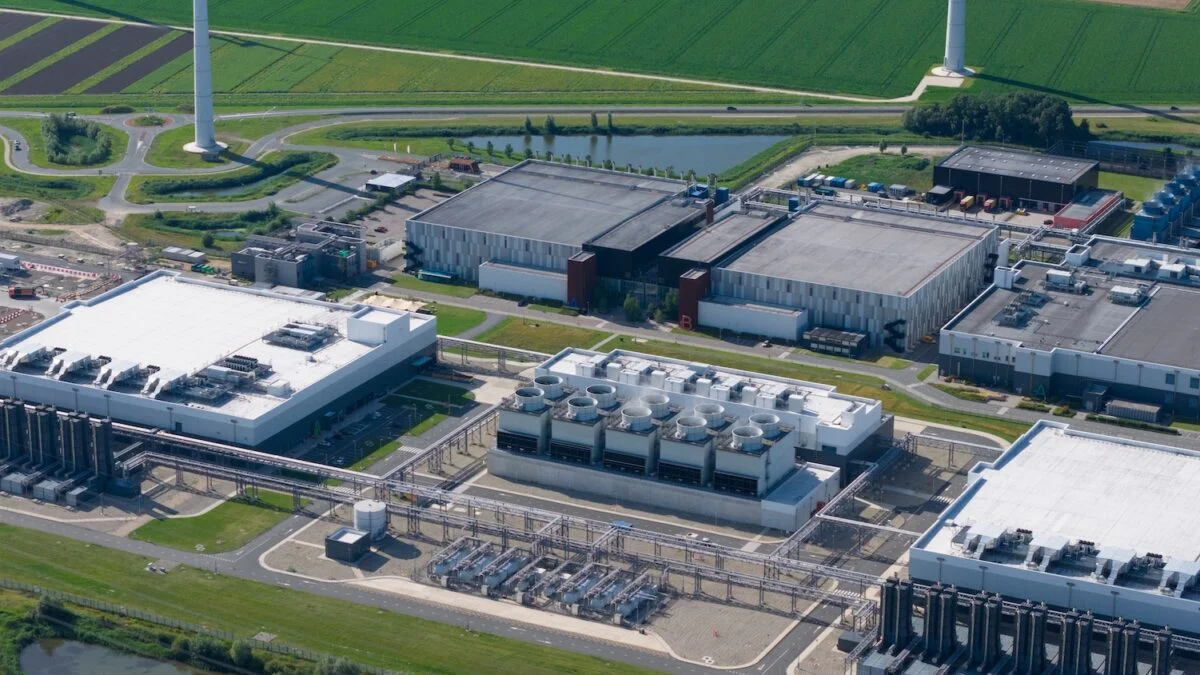
Tech companies are racing to build data centers for artificial intelligence that can gulp enormous amounts of electricity. These projects can behave like an air-traffic control tower juggling thunderstorms: they arrive with tight timelines, heavy power requests, and expectations that the grid will make room.
FERC’s orders target five main areas: faster application and study processes for big loads; clearer cost allocation so everyday customers aren’t stuck with the bill; rules for projects that site next to generators or plan to produce power onsite; options for demand-flexible services that shift use during stress; and study of alternative transmission technologies.
How will FERC’s order affect my power bill?
If you’re asking that, you’re asking the right question. One of FERC’s explicit goals is to stop cost-shifting onto retail customers by requiring more transparency and stricter allocation rules. But changes to who pays—and when—often happen in local planning and state regulatory dockets, so the immediate effects will vary by region. Expect fights in state utility commissions if transmission costs are allocated widely, and expect developers to press for faster hookups that can raise near-term local costs.
At a regional planning meeting: system operators and utilities trading spreadsheets and warnings
Grid operators—often described as the “air traffic controllers” of electricity—don’t usually own wires or plants, but they coordinate markets and reliability across large territories. FERC wants them to justify why current interconnection studies and queue rules can’t be sped up and simplified.
The commission explicitly asked these RTOs/ISOs to consider alternative transmission technologies and to create special services for projects that can shift demand. That could let new facilities provide flexibility instead of just demanding steady baseline power.
Can a data center build its own power to avoid the queue?
Yes—some projects plan onsite generation, microgrids, or direct connections to nearby plants. FERC’s order forces the operators to account for those cases and to write rules that reflect colocated generation or behind-the-meter arrangements. If a data center can self-supply at peak, it changes the calculations for transmission upgrades and who ultimately pays.
In a packed town hall: residents fret about water, noise, and neighborhood change
Community opposition is already reshaping projects. In some places, residents have successfully blocked or revised plans—Google withdrew a rezoning proposal in Indianapolis, and towns across the country have pushed back on siting.
Public sentiment matters. A March Gallup poll found seven in 10 Americans oppose building AI data centers near them, with 48% strongly opposed and 46% worried about environmental impacts. Those opinions feed legal fights, municipal permits, and political pressure on state regulators.
Inside boardrooms and investor decks: companies are planning at scale
Major cloud players and chip firms—Amazon Web Services, Microsoft, Google, and companies like Nvidia—are moving fast because AI training demands racks of power and constant uptime. You’ve also seen celebrity-backed proposals, like the Kevin O’Leary project in Utah, which aims for up to 9 gigawatts of generation and consumption—about double Utah’s current electricity use.
FERC says it wants to give investors “certainty” by protecting existing deals while opening doors for technological approaches to interconnection. That means the commission is balancing two pressures: accelerate integration of large loads and preserve consumer safeguards.
There’s a practical toolset at play here: faster queue processing will rely on better data platforms, clearer modeling from grid operators, and possible market products that reward demand flexibility. Expect more technical filings around distributed energy resources, synchronous condensers, and high-voltage direct current options in the coming months.
This is a policy moment that blends engineering, money, and local politics, and it will be messy. The grid is being asked to absorb projects that are enormous, fast, and often located in places unprepared for them—like a pressure cooker about to whistle. How the RTOs and ISOs respond will determine who pays, who waits, and how many communities push back—so whose interests will carry the day?