I clicked the link and sat through the clip before my coffee cooled. By the thirty-second frame, whatever goodwill I had for Neill Blomkamp had already frayed. I found myself asking: did a celebrated director just hand the internet a prettier empty shell?
I’ve defended Blomkamp more often than I should admit. I love District 9. I will fight anyone who badmouths Chappie. I gave Elysium the benefit of the doubt, and pretended I hadn’t watched the Gran Turismo movie so I could keep the idea of it intact in my head. That history matters because it makes my disappointment personal — and deliberate.
I refreshed my feed when he posted on X, and the clip landed like a notification you can’t ignore
Neill Blomkamp announced the piece as his first “full test AI film,” posted the link on X on July 19, and named the tool: Seedance 2.0. He signaled a follow-up ambition through a new outfit called Barley Studios — an eyebrow-raising promise that an AI feature could be next.
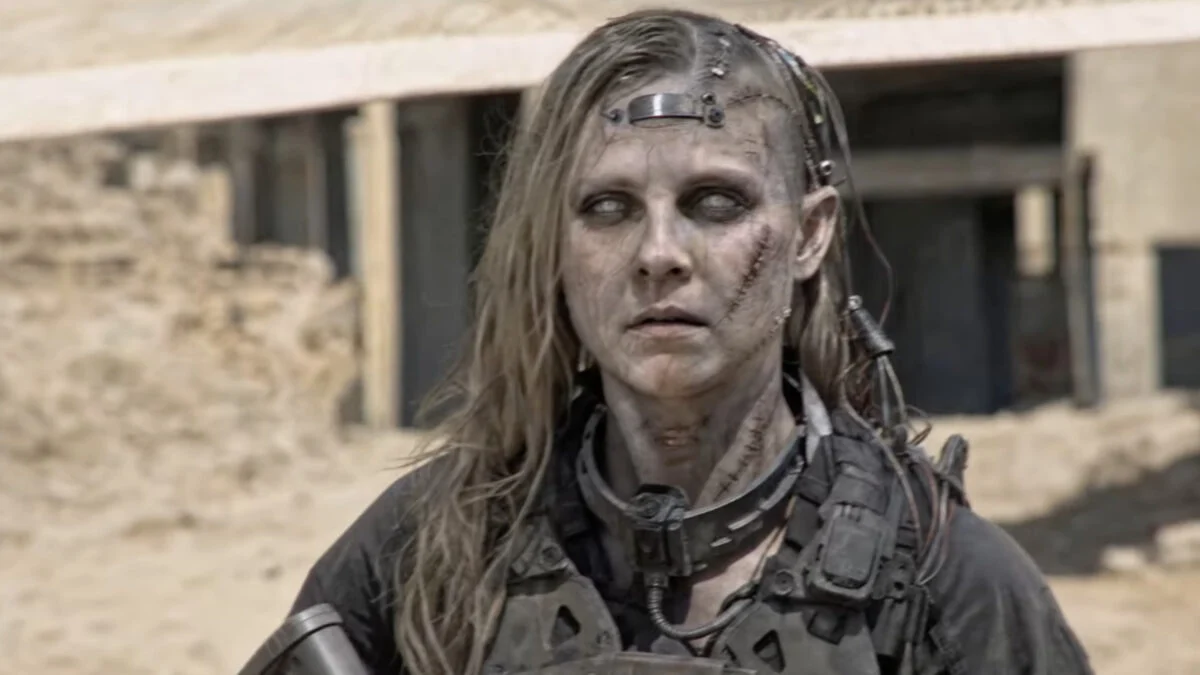
What he released is titled Nightborne. The premise is blunt: a U.S. soldier’s helicopter is downed, she goes comatose, and a black program called Project Nightborne converts her into a zombie operative. The visuals read at a distance like an 8K movie pass, and if you scroll fast it almost tricks you.
Is Nightborne AI-generated?
Yes. Blomkamp says so. He credits Seedance 2.0, and the finished clip bears every fingerprint of current generative-video stacks: algorithmic composition, patched-in photorealism, and synthetic performance. The result is technically impressive but narratively hollow.
The clip is long enough that length becomes its own problem
Many AI shorts spike curiosity for a few breathless seconds; this one stretches out and the silence becomes louder. The only creative difference between this and the churn of other AI clips is duration — the filmic pacing aims for drama but lands flat.
The acting is a reminder of the tech’s limits: synthetic dialogue is delivered in that rat-a-tat cadence you’ve heard in dozens of test videos, and the “performances” never land emotionally. Nightborne is like a wax museum at midnight — technically intact, but utterly lifeless.
How was Nightborne made?
Beyond Seedance 2.0, creators now stitch together toolchains: frame-generation models, motion-refinement systems, audio synthesis, and compositing suites such as Runway and custom in-house pipelines. Blomkamp’s team likely used a hybrid approach: AI renders, heavy post-processing, and manual edits to fake continuity. It looks polished because it is the product of many automated fixes, not because it discovered drama.
I watched the footage expecting at least a human wobble; instead I got precision without pulse
When the images are so clean they feel clinical, the brain refuses to assign stakes. Acting hasn’t improved much; the emotional timbre is still synthetic. Voices hit their marks like puppets reciting a script, never bleeding into real fear or grief.
That’s not only a creative failure; it’s a missed structural lesson. Storytelling requires friction, mistakes, and texture. Blomkamp’s clip sidesteps that in favor of pristine surfaces — a high-resolution mask pasted on a mannequin.
Will Blomkamp make a full AI feature?
He says he wants to. Barley Studios is the stated vehicle, and Blomkamp’s post reads like a declaration of intent. But ambition and execution are different currencies in filmmaking. Audiences will pay attention (and pay to see) when technique serves feeling, not the other way around.
You and I care because this moment maps a larger industry choice
If a director with Blomkamp’s credibility chooses to press forward with AI-first filmmaking, the question isn’t whether the tech can mimic; it’s whether it can provoke. Seedance 2.0 and similar platforms (think Runway, OpenAI research, even Stable Diffusion for stills) will keep improving the surface. What they don’t yet reproduce is the messy, stubborn thing that makes cinema feel alive: human uncertainty.
I’m not proposing a Luddite retreat. I’m asking for sugar where needed and salt where required — texture that rejects antiseptic smoothness. You can admire the craft and still call out the emptiness. You can be a fan and demand better.
Neill Blomkamp is a filmmaker who’s earned leeway; but this clip reads less like experimentation and more like abdication. Will he turn Nightborne into a full feature that feels like film rather than a glossy test reel, or will the industry start chasing synthetic fidelity while losing its pulse?