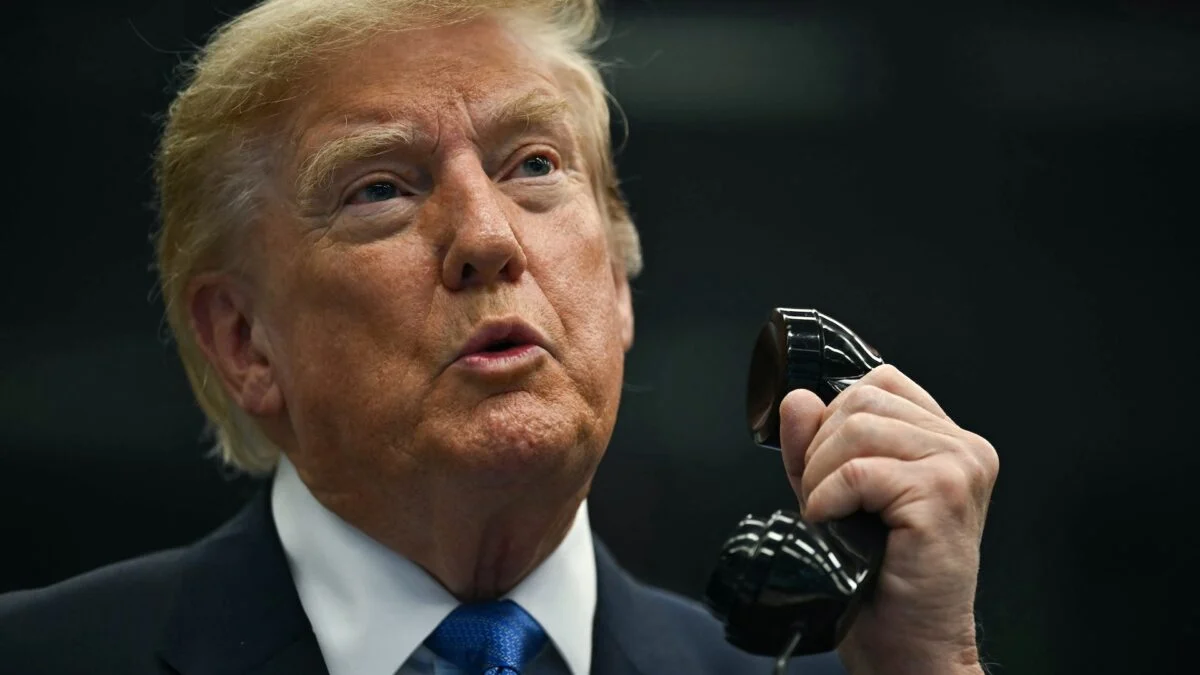
A town hall in rural Utah filled the gym with low, angry voices. You could see homeowners tallying electric bills and farmers watching wells run lower. I watched President Trump answer them on Truth Social and call that resistance “backwards and poor.”
I’m going to walk you through what he said, what people are feeling, and why this fight is suddenly a test of who gets to control power — literally and politically. You don’t need me to tell you emotions are high; you already know the smells, the bills, the sleepless nights. I’ve listened to people on both sides, and I’ll be blunt: the language from the top just escalated the stakes.
Neighbors are complaining the moment a data center hits their grid
When someone in your town says their electric bill jumped, that’s not a theory — it’s a bank statement. People cite rising utility costs, strained water tables, and municipal stress. Those are the concrete complaints that turned ordinary residents into vocal opponents.
Why are data centers controversial?
Because they are massive energy consumers and because companies often negotiate exemptions and incentives that leave local taxpayers wondering who pays for the upgrades. Pew Research finds 71% of Americans oppose building data centers in their communities — a number higher than opposition to local nuclear plants. That’s not a PR problem; that’s a political landmine.
Trump posted on Truth Social and dismissed the outrage as backward
He didn’t mince words when he told communities they were choosing poverty over progress. The post framed data centers as an engine for jobs and wealth, and he warned that opposing them only helps geopolitical rivals like China.
His tone is an authority cue designed to shut down debate: the president speaking, the signature at the end implying personal authorship, and the blunt moral judgment on voters who disagree. That combination pushes people into defensive positions rather than conversations.
Even Truth Social users pushed back — sometimes politely, sometimes searingly
On the platform built to amplify Trump, readers raised practical fears: high electric bills, stressed water supplies, and AI skepticism. One user called AI “evil” and another warned about local utilities being strained; another pleaded respectfully for resource protection for future generations.
I’ve seen protests where the rhetoric turned like a town meeting turned into a circus — emotions amplified, facts sidelined. That’s why simple messaging from any leader can either calm a room or explode it further.
Do data centers drive up electricity bills?
Short answer: sometimes. Data centers require steady, huge power loads. If the grid upgrades are paid for by municipalities or if local rates shift to accommodate large users, households can feel the squeeze. JD Vance argued that sensible permits require companies to add power back to the grid — that’s a direct rebuttal to the “they’ll suck up all the electricity” narrative, but it depends on enforcement and contract details.
Investors and public figures are amplifying a messy mix of claims
Reality TV investor Kevin O’Leary accused opponents of being backed by China, then conceded he lacked proof. X (formerly Twitter), pushing Grok with xAI and massive server needs, flagged alleged Chinese bot activity in the debate. Those accusations — true or not — change the floor of the argument from local economics to national security.
Greg Abbott and other Republican governors have shifted language from boosterism to damage control. That’s a sign political operatives smell trouble and are reworking the narrative to focus on utility solutions rather than raw promotion.
Is China funding anti-data center protests?
Claims about foreign funding circulate because geopolitical fear is an effective amplifier, but evidence remains thin. Defamation suits have followed public accusations, and platforms like X have reported bot networks without clear engagement impact. The practical harm is that the accusation itself erodes trust and makes compromise harder.
Local consequences are the ones people feel most acutely
Residents point to rising bills, stressed water wells, and the sense that multinationals get special deals. Those are not abstract grievances; they show up as canceled barbecues, skipped repairs, and squeezed family budgets.
Companies and elected officials can answer by paying for grid upgrades, supplying dedicated power capacity, and guaranteeing water protections — or they can fight residents and escalate the dispute. Right now, the latter looks like a political risk. I’ve watched towns choose resistance when they believe compensation will never come.
JD Vance: “If you build a data center, you should be putting power back into the grid, not taking it out. If that is happening, I don’t think data centers are that controversial”
— Aaron Rupar (@atrupar.com) August 31, 2026 at 8:27 AM
Here’s what I want you to watch for: who pays for grid upgrades, who signs off on water protections, and whether companies like those behind xAI and X commit to community guarantees. Those answers will decide whether towns get real benefits or only new bill lines and invisible strain.
I’ve been in these rooms, you probably have too, and the question now is whether politics will fix the technical problems or whether technical problems will become politics. The debate is unfolding like a hidden siphon slowly draining a community’s bank account — quiet at first, then impossible to ignore. Who will be held accountable when the lights stay on only for the servers and not for the neighbors?