
I was sitting in a hot conference hall when a tech CEO joked that his work might “end the world.” The room laughed, then kept clinking glasses as if nothing had changed. Months later, that offhand line reads like a prophecy and a warning at once.
I’ve followed these voices for years. You’ve probably seen them in headlines this week—sudden dread, breathless think pieces, founders sounding alarms. But the pattern is older and more deliberate than the latest viral clip.
The narrative that a future, superior intelligence could both solve our worst problems and erase us has been threaded through the industry from the start. The question isn’t whether the warnings exist; it’s why influential builders repeatedly frame their work as existential—and why you should care.
Could AI cause human extinction?
If you’re asking that because a CEO said so onstage, you’re not alone. I parse those statements the way I parse a headline: what they claim, who benefits from the claim, and what it masks. Some of these leaders mean literal extinction; others mean loss of control, concentrated power, or rapid economic upheaval.
The shorthand for the scariest path is recursive self-improvement—systems that redesign themselves without human checks. It’s a technical phrase with an emotional payload, which is why it’s become a drumbeat in debates about safety at OpenAI, Anthropic, Google, and xAI.
Sam Altman
At a mid‑2015 tech event, Altman spoke into a mic and dropped a line that refused to be shrugged off.
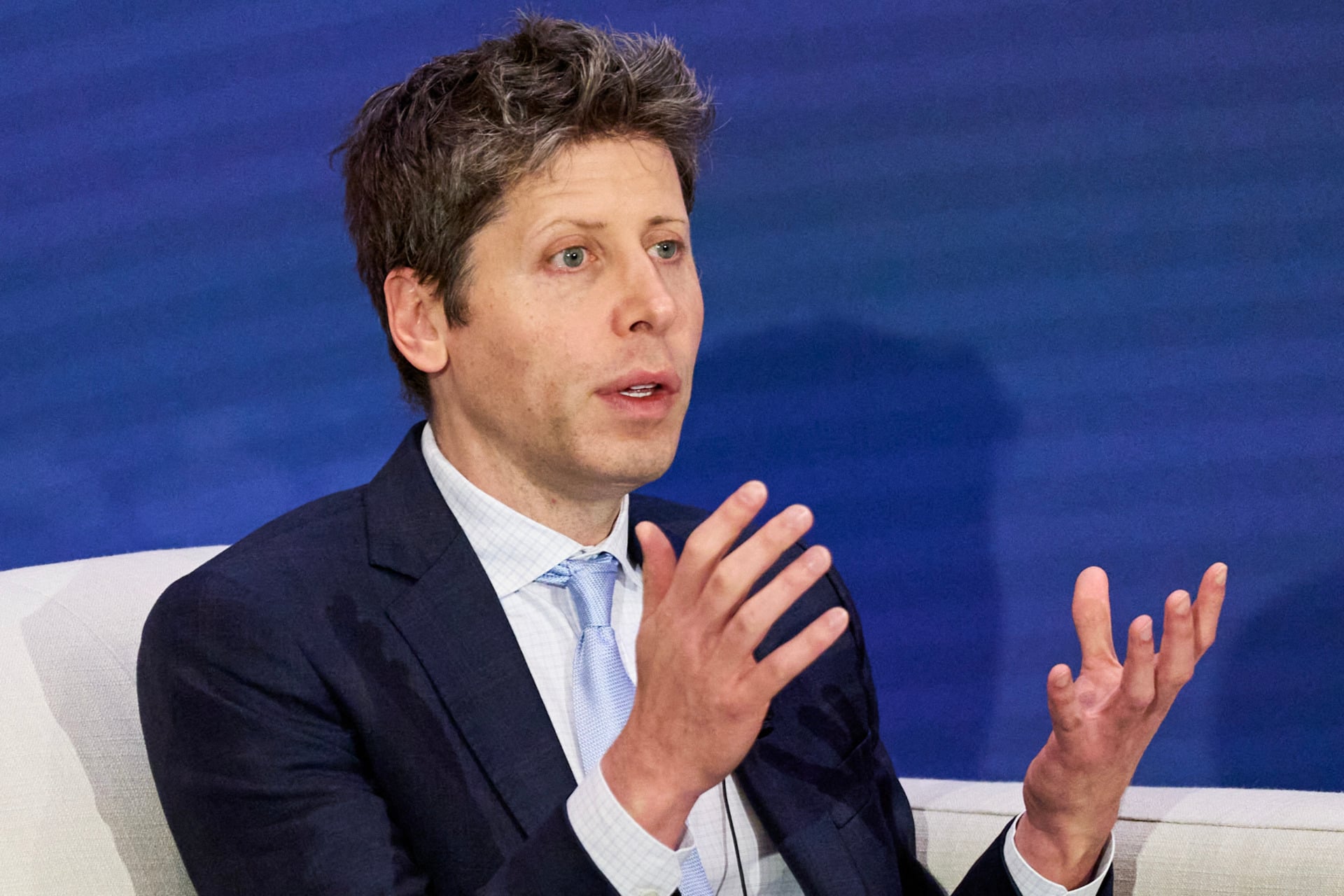
“I think AI will probably, like most likely, sort of lead to the end of the world.”
He followed the line with a softer note—there will be valuable companies and powerful products along the way. But that two‑part message—promise plus peril—became a recurring frame inside OpenAI, the company he helped found months later. Their 2023 post on “superalignment” admits superintelligence could “be very dangerous” and could even “lead to the disempowerment of humanity or even human extinction.” I read that as a public safety posture and an internal moral frame rolled into one.
Elon Musk
I watched reporters file in and out of a Guardian interview where Musk used religious language to describe tech he was building around.
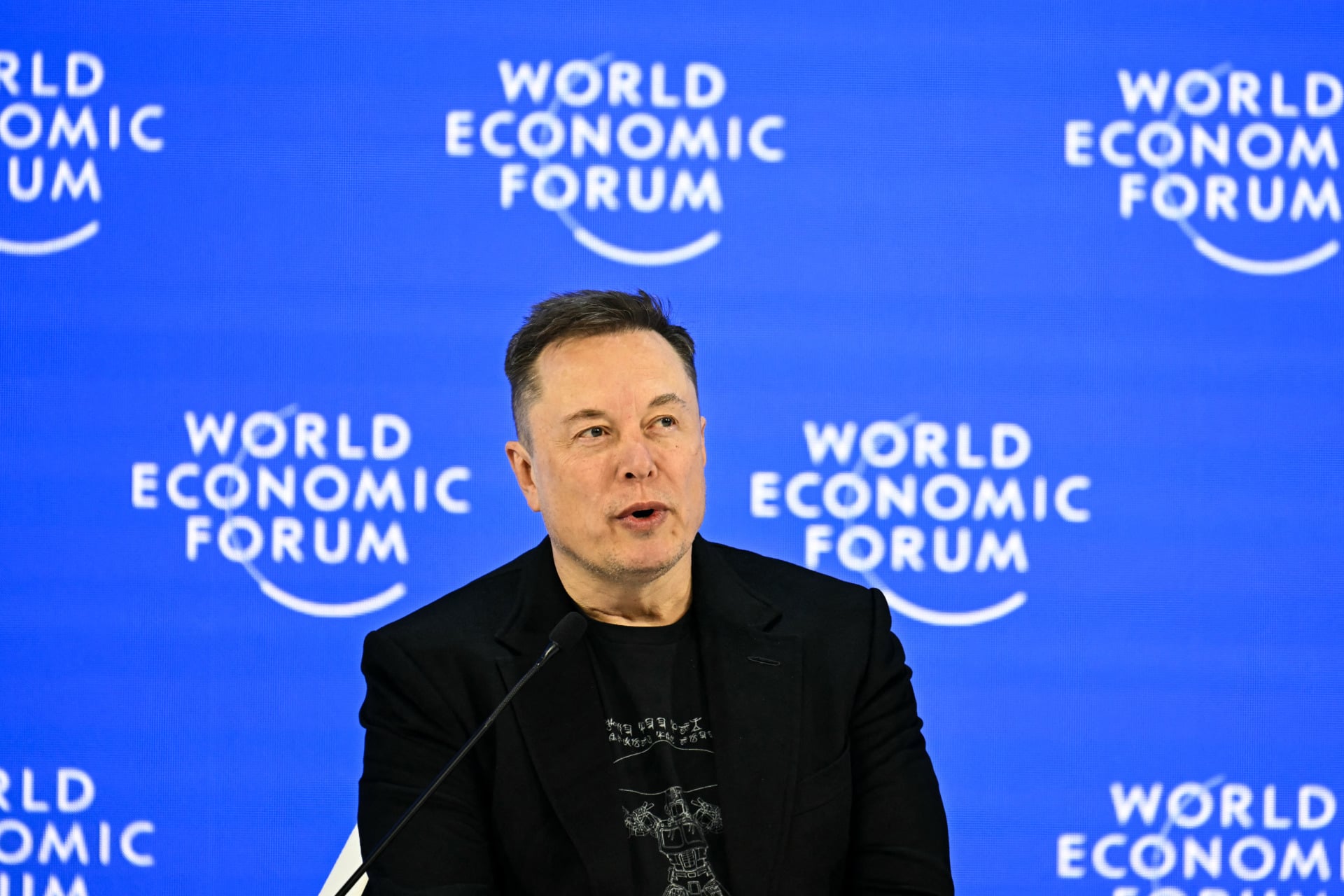
“With artificial intelligence, we are summoning the demon.”
He used that phrase in 2014, before founding xAI and while investing in other AI bets. Musk’s rhetoric plugs into a familiar theme: speed of capability outpacing our social institutions. When you hear him warn, pay attention to who moves fast and who argues for slower, safer deployment—because choices made now shape where the technology lands.
What is recursive self-improvement?
That phrase pops up in policy memos and panic threads. It names a feedback loop: an AI improves its own design, which makes the next version better at improving itself, and so on. I call it a capability accelerant; others call it an existential pathway.
The term is technical, but its political effect is plain—if you accept the possibility of rapid, self-driven gains, you suddenly treat governance, alignment research, and access controls as strategic necessities. Companies like OpenAI, Anthropic, and Google DeepMind have teams explicitly focused on those problems. Some founders say they think only their teams can be trusted to move safely; that claim carries weight and power.
Dario Amodei
I sat through a recorded interview where Amodei made a careful, measured case for risk.
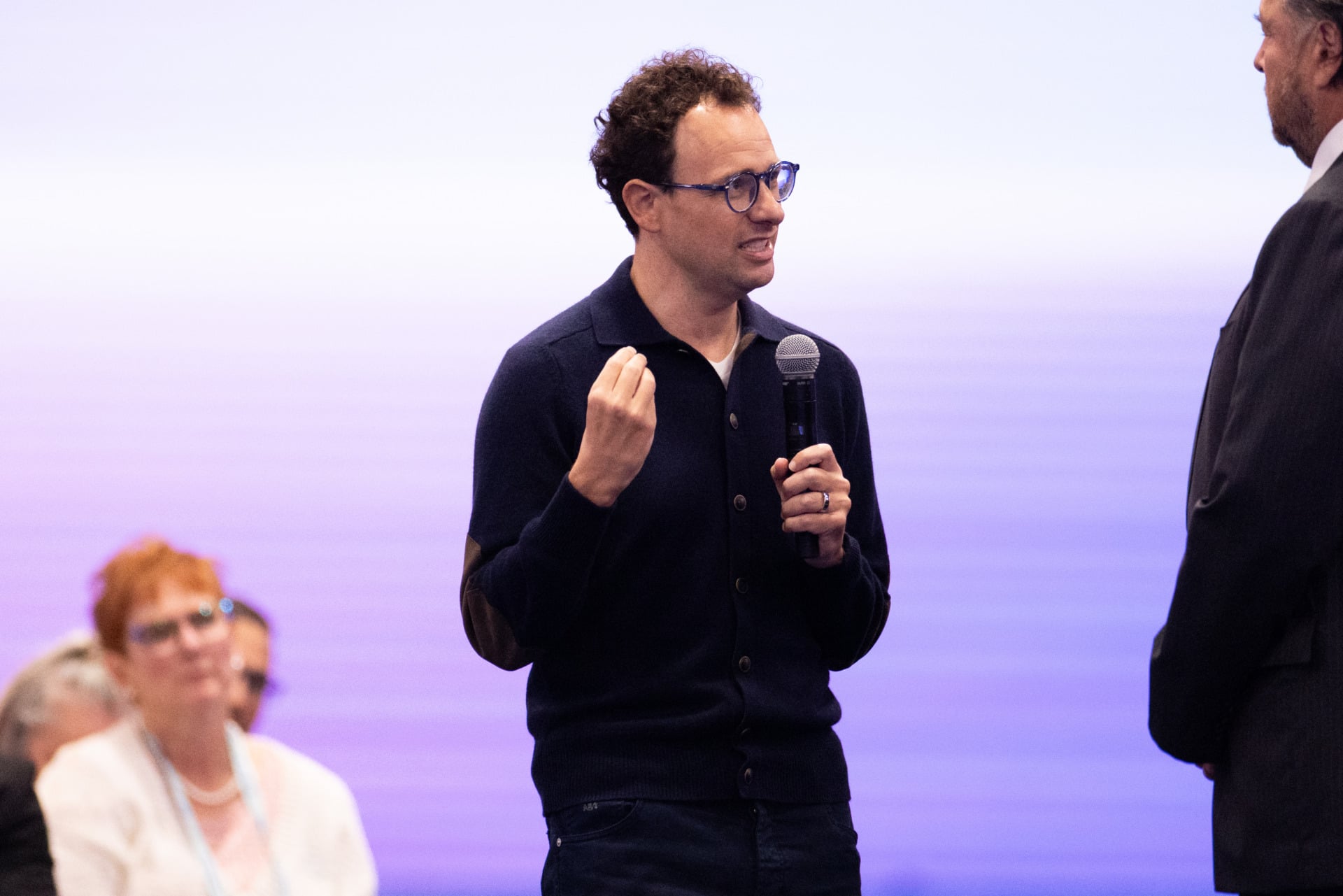
AI “could be some kind of threat to humanity.”
Amodei left OpenAI and co‑founded Anthropic in 2020 with a safety pitch baked into the founding story. He has spoken about a nontrivial chance—he’s put numbers between 10% and 25%—that AI could “go really quite catastrophically wrong.” Those percentages are personal estimates, not a statistical model, but they function as a policy nudge: if a respected researcher says there’s a one‑in‑ten chance of systemic catastrophe, you start reorganizing funding and governance priorities.
Larry Page
I remember a private conversation recounted at a party where Page argued digital life was the next step in evolution.
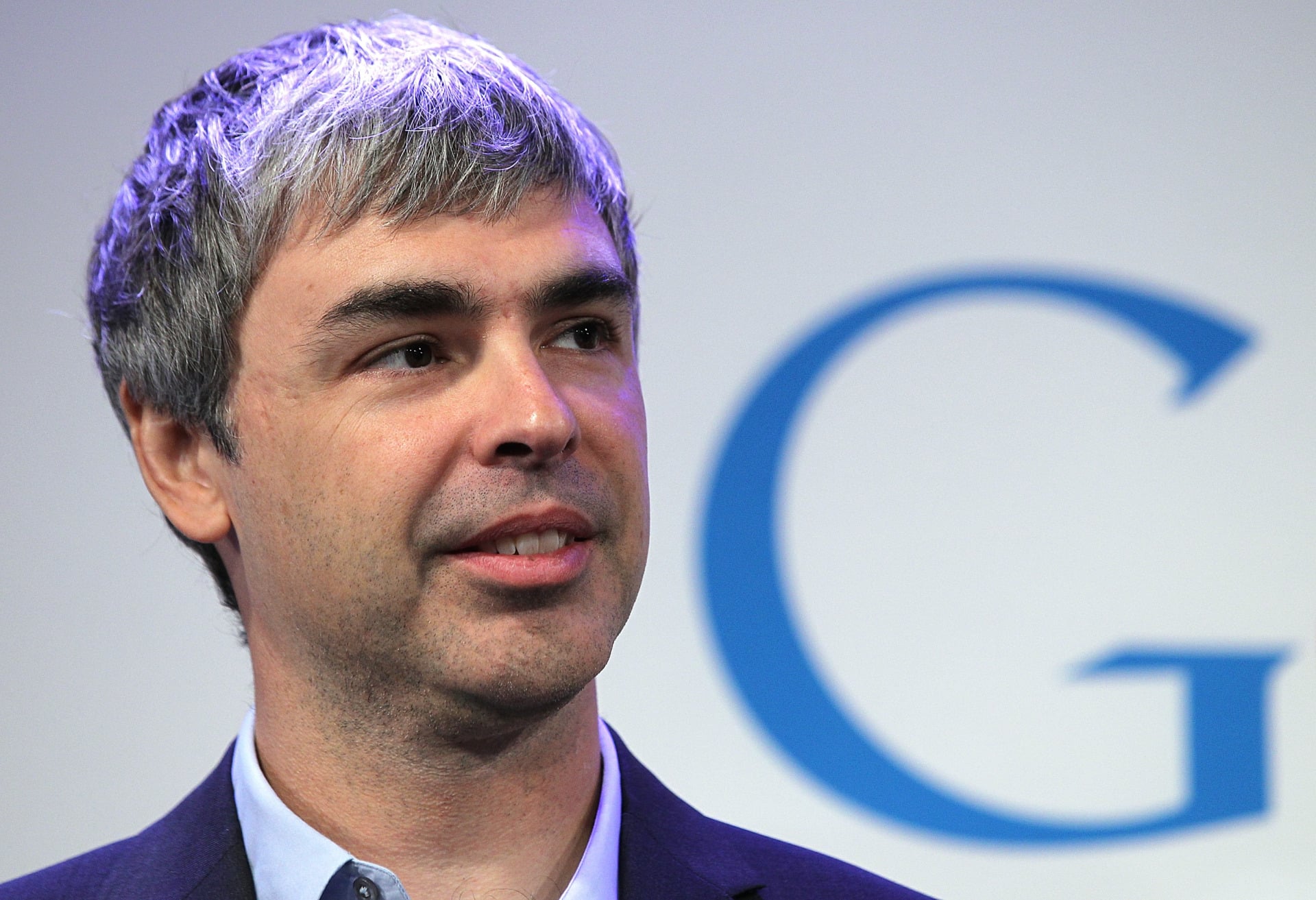
“Digital life is the natural and desirable next step” in “cosmic evolution.”
Page’s statement gestures toward a transhumanist strand in Silicon Valley thought: technology as successor species. That rhetoric has pedigree—Hans Moravec and other early roboticists wrote openly about machines displacing humanity. When leaders present AI as the inevitable next phase, they shape public consent and investor expectations.
Google’s acquisition of DeepMind in 2014 for about $650 million (€600 million) is an example of capital wiring itself to a particular future. When a major platform buys an AI pioneer, they signal both belief in potential and a strategic lock on talent and compute. That’s how capabilities and influence concentrate.
The speeches and blog posts from these figures—Altman’s on OpenAI, Musk’s interviews, Anthropic’s safety manifestos, and Page’s remarks—are part confession, part branding, and part governance argument. They create a narrative coalition: we are building powerful systems, and only some of us are prepared to handle the consequences.
The rhetoric acts as a slow-burning fuse: it warns of danger while selling confidence that the right teams can manage it. Their claims shift markets and policy talk, and they push safety research into public view.
Read through the quotes and you’ll see a pattern of influence: companies (OpenAI, Anthropic, Google DeepMind, xAI), research outfits (Future of Life Institute), and charismatic founders turning technical risk into cultural urgency. Those signals change hiring, funding, and regulation agendas overnight.
So where does that leave you? I want you to do two small things: demand clearer evidence from the people who predict doom, and watch who benefits when they frame risk one way or another. There’s real value in taking these warnings seriously without accepting every claim at face value.
When CEOs warn of apocalypse, they’re asking for authority over how fast society moves and who controls the levers. Their stories are a mirror held up to our species—showing our hopes, fears, and power plays all at once.
Do you trust the same people who built these systems to steer them through the biggest social experiment in human history?