She typed, hit send, and waited for the echo. I read the arrest report and felt the odd mix of menace and mundanity—your anger paused by a token cap. Within hours, deputies were at a suburban door.
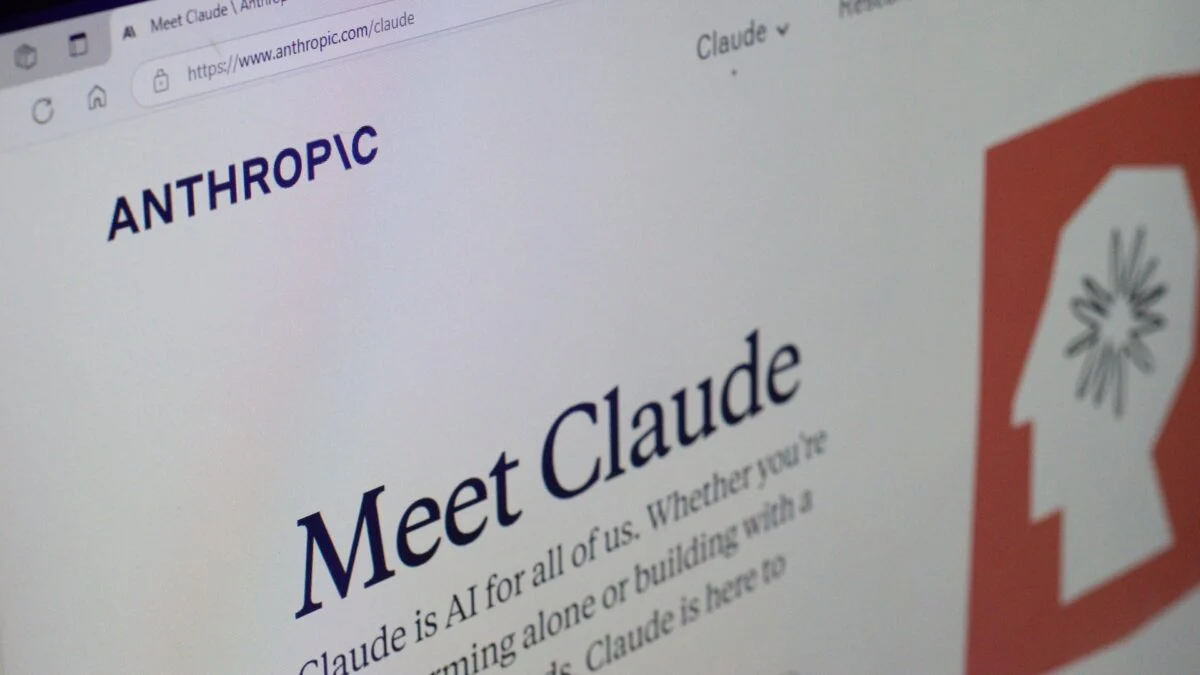
Anthropic’s Claude is supposed to be a helpful assistant; in Bonita Springs it apparently became an inadvertent witness. According to Gulf Coast Now and the arrest report, a 30-year-old woman allegedly wrote several explicit threats aimed at the Lee County Sheriff’s Office during a private conversation with Claude. The first flagged line, sent at 5:10 AM on September 26, read: “I’m going to shoot up the sheriff’s right the [expletive] now.” A later message, at 1:07 AM on September 27, said she had “a new [expletive] gun today.”
At 5:10 AM on September 26 a message landed in Claude
I want you to feel how mundane this started: an early-morning vent that read like a private journal entry. The woman later told investigators she used Claude “like a diary.” But Anthropic’s safety tools monitor certain language, and when a message crosses pre-set thresholds it pings human reviewers. That blend of automation and human judgment is why a chat that felt private to her turned into evidence that led to an arrest.
Can police access my chatbot conversations?
Short answer: sometimes. Anthropic’s support page says they do not hand over customer data to governments without valid legal process, except when they believe there is an emergency that may result in imminent physical harm or death. In this case, human reviewers concluded the material met that emergency standard and alerted law enforcement—so the chat didn’t stay only between the user and Claude.
At the safety threshold human reviewers saw red
I’ve reviewed many content-moderation flows; they’re a tight choreography of models, flags, and humans. When the automated system flagged these messages, humans read them and judged them serious enough to notify authorities. The process is less cinematic than a detective thriller and more like an industrial filter: messages pass through algorithms, and a human decides whether to ring the alarm.
Can you be arrested for threats made to an AI?
Yes. Threats expressed in writing can meet the legal definition of a written threat of violence under Florida law. Lee County deputies charged the woman with a second-degree felony—written threats of violence—a crime that can carry up to 15 years in prison and a fine of up to $10,000 (€9,300).
The story has a strange little punchline: she paused a moment because she’d hit a token limit and resumed later. It’s absurd and chilling at once—like leaving a matchbox on a dry porch.
At her residence deputies made the arrest without incident
The Lee County Sheriff’s Office, led publicly by Sheriff Carmine Marceno, said deputies took her into custody calmly. Local outlets including WINK News and Gulf Coast Now reported the arrest timeline and quotes from investigators. Anthropic did not immediately respond to Gizmodo’s request for comment, but its policy documents and public safety FAQ explain how the company balances user privacy with emergency exceptions that can involve law enforcement.
Will companies share my chats with police without my consent?
Not by default. Most major AI providers—Anthropic, OpenAI, Google—say they require legal process before disclosing user information. However, they also often include emergency exceptions in policy language: when there’s a credible, imminent threat, they may provide data without delay to prevent harm. That’s the needle that appears to have been threaded in this case.
There are practical lessons here for you and anyone who treats a chatbot as secret therapy. Claude and similar models are not trained clinicians; they’re more inclined to record than to heal. If you need help, reach out to trained professionals or local crisis resources rather than relying on a chat you treat as a locked notebook.
Snitches get IPOs.
So what do you think the right balance is between user privacy and public safety when a chat becomes evidence—should companies hold back unless served a warrant, or should emergency exceptions be broader to help prevent harm?