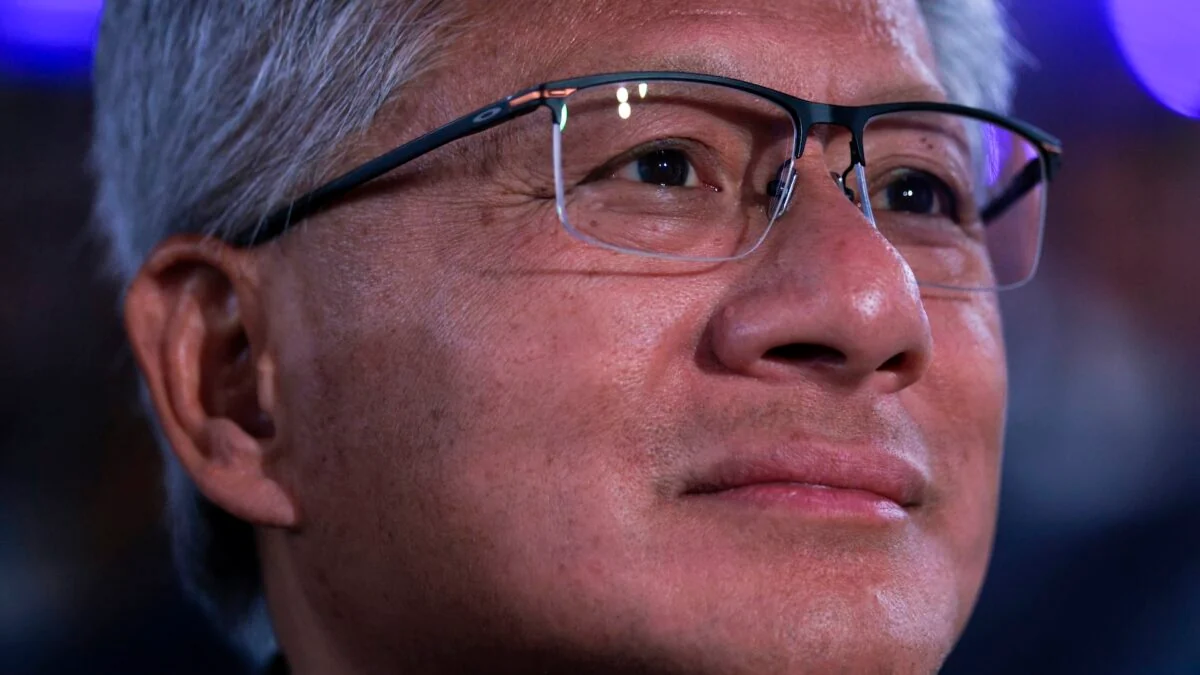
I opened the Stand With Jensen page and watched the counter climb: 154,671 names, among them employees, shareholders, and tech celebrities. You can feel the momentum—an online chorus arguing for reinstatement while investigators collect evidence. I sat there thinking about loyalty, leverage, and how quickly a founder can become a public test case.
I’m going to walk you through what the movement is, who’s pushing it, and why some of the arguments are emotional while others are strictly financial. I won’t pretend there’s an easy answer, but I will point to the parts that matter if you’re trying to read the possible outcomes like a market signal or a political story.
On the Stand With Jensen site the petition reads like a plea: signers demand the board “Bring Jensen Back.”
The campaign’s open letter—backed publicly by Elon Musk—asks the Nvidia board to keep the option of reinstatement alive and to provide an “evidence-based explanation” for any removal. High-profile names attached to the site include Travis Kalanick (Atoms), Tim Sweeney (Epic Games), YouTube co-founder Steve Chen, and Garry Tan of Y Combinator. That roster functions as an authority cue: familiar faces lending credibility and oxygen to a movement.
Who is Jensen Huang and why does his fate matter to the market and to you?
Jensen Huang is the founder and long-time CEO of Nvidia, the company widely seen as central to the AI chip supply chain. For many signers, he is less an executive and more a steward of relationships—deals made, promises kept, and supply channels managed. Musk warned that some deals were “handshakes” rather than written contracts; for investors who feel a 40% paper loss and count on those informal ties, that warning sounds like a direct threat to value.
The petition frames its ask as due process and gratitude: it doesn’t seek immunity for Huang, it claims, but it does demand patience and a clear account from the board. At the same time, some signers are blunt about the dollars-and-cents side: shareholders who have seen steep dips want continuity because volatility costs them real wealth.
This is the letter @elonmusk signed, please read it and consider adding your name too. https://t.co/yQcJEkUtXO https://t.co/IlEZ68VAHW
— Stand With Jensen (@TheJensenLetter) November 14, 2026
The investigative record shows a mix of admitted personal misconduct and intelligence claims that remain unproven.
Jensen Huang has publicly admitted to an extramarital affair with a Chinese businesswoman, Alice Huang. U.S. investigators allege she accessed roughly 240,000 banned chips, and some reports—citing anonymous officials and purported intelligence memos—have suggested possible espionage ties. Those latter claims currently lack public, corroborating evidence.
What allegations does the inquiry target and are they proven?
The clear facts: an admitted affair and a large data point about allegedly accessed chips, reported by outlets such as CBS and Reuters. The less-clear facts: anonymous-official reporting that Alice Huang might have spied for the Chinese government, which major outlets have treated as unverified intelligence. Nvidia commissioned an independent investigation, Congress may hold hearings, and shareholder lawyers have flagged potential class-action claims—each step adding legal and reputational pressure.
Think of the public inquiry as a pressure cooker—heat builds, and people inside the company and outside it watch the valve. That pressure shapes decisions at the board level, and the board’s choices will affect everything from supply agreements to investor confidence.
The public petition is a crowd signal, but crowd signals contain noise.
The Stand With Jensen site currently lists more than 150,000 signatures, including over 7,000 who claim to be current Nvidia employees and roughly 81,893 signers who identify as shareholders. The campaign says it is removing fake names with AI and manual moderation; journalists have already found obvious fakes on the list.
Elon Musk has publicly tied his support to practical concerns—he warns of lost access to scarce resources if Huang is removed—and investors such as Brad Gerstner and Gavin Baker have separately urged a deliberate process. That coalition mixes sentimental praise with clear self-interest: for some, this is admiration; for others, it is portfolio defense.
This letter was sent to the Nvidia Board today which we believe outlines the minimum acceptable standards the Board owes shareholders as it manages this difficult situation. Onward. pic.twitter.com/fIsyXVQ5tR
— Brad Gerstner (@altcap) November 13, 2026
Could a founder realistically return to the CEO role at a large public company?
Yes—boards have reinstated founders before—but it depends on evidence, legal exposure, and whether major institutional shareholders and customers accept that choice. The petition asks the Nvidia board to keep that option alive; investors like Gerstner want a deliberate review rather than a rushed replacement. That makes the board the theater where legal, operational, and reputational actors will all press their claims.
For some employees the petition reads like reclamation; for others, it reads like a public relations campaign. Either way, the sheer volume of names creates momentum—and momentum feels powerful even when the facts are still being gathered.
The petition’s language leans on gratitude: signers thank Huang for “pouring his heart and soul into building NVIDIA.” Others are blunt: a shareholder who signed said his position fell 40% in recent days and called for stability. Those two impulses—emotional loyalty and fear of loss—fuel different kinds of advocacy.
I’ve watched tech movements form and fracture before; sometimes they rebuild a leader’s legitimacy, sometimes they burn it down. A founder’s return can be a slow repair job or the beginning of a public relations house of cards—either way, the stakes for employees, investors, and national policy are clear.
For you as an observer or investor, the right questions are simple: which claims are documented, who benefits if Jensen returns, and how will the board prove its reasoning to stakeholders and regulators?
As the story evolves, will the petition be a genuine expression of grassroots support, a defensive investor play, or something else entirely?
One Stand With Jensen organizer told Business Insider they want Nvidia to “provide a clear, evidence-based explanation demonstrating that any removal is in NVIDIA’s best interests.” CNBC has reported a more muted investor campaign aiming to keep open the “potential return of Jensen Huang.” Media outlets from Bloomberg to The New York Times and Reuters continue to publish developments as investigators and the board proceed.
Gizmodo reached out to the Stand With Jensen organizers for comment but did not receive a reply. Meanwhile, the company’s independent board statement and the possibility of congressional hearings mean this will play out in public and legal arenas simultaneously.
Are you on the side of due process, shareholder preservation, or ethical accountability—and which of those will you prioritize when facts finally emerge?