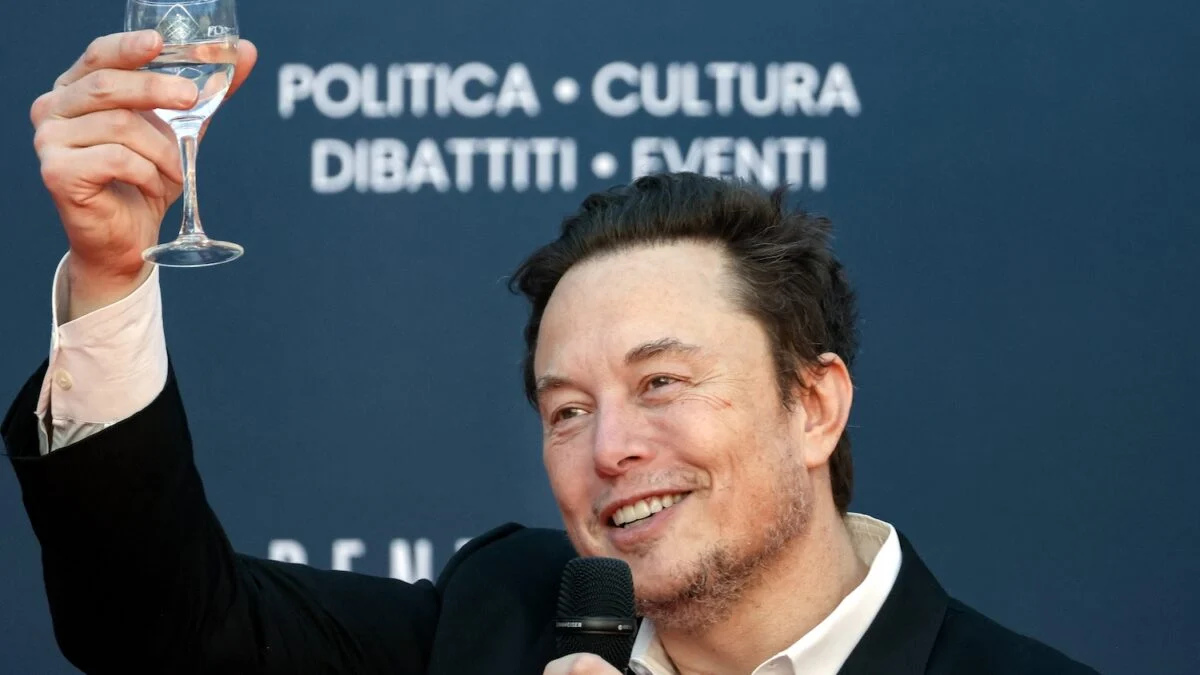
Yesterday, with a decisive bang of the gavel, Elon Musk took another giant leap toward his trillionaire dreams. Can you believe it? While impressive, it raises questions about the nature of ambition and wealth.
In the public eye, Musk has wrapped his quest for riches in a cozy narrative. He insists that striving for massive wealth is somehow heroic. Just recently, he laid out this philosophy in a tweet, maintaining his stance for years. The underlying notion? Human consciousness is valuable, and to preserve it, humanity must eventually venture beyond Earth.
Granted, there are existential threats to our planet. Climate change, resource depletion, and cosmic events signal that Earth won’t last forever. Musk argues that the survival of our species hinges on colonizing Mars and beyond, thus justifying his pursuit of wealth. But is that entirely true?
Is Earth’s Access to Resources Really Ending?
Many believe humanity faces imminent doom, but that narrative may be exaggerated. Research suggests that while climate change poses challenges, it’s unlikely to wipe us out completely. We’re built for resilience, having survived countless natural adversities before. Rather than fleeing the planet, we might need to confront our issues head-on and improve our home.
Take a moment to reflect: at our core, we thrive on Earth, from the depths of our oceans to the heights of our mountains. Just because we face crises doesn’t mean we can’t adapt and thrive here. We can resolve issues together, hopefully creating a healthier planet for generations to come. And trust me, our ability to endure has proven itself time and again.
Are We Really Ready for Space Travel?
Despite Musk’s ambition, sending rockets to Mars raises practical challenges. For instance, cosmic radiation exposure and unsuitable Martian soil for growing food are just a couple of hurdles that could jeopardize colonization efforts. Even Musk himself acknowledges these concerns, yet the plans continue to roll out despite significant obstacles.
It’s bizarre to think that the road to saving humanity involves launching combustible machines into distant planets. Why is there such a rush to leave Earth when we’re here, capable of fixing many of our issues? With much to learn about sustainability and survival on our home planet, it seems hasty to look elsewhere.
What Does the Future Hold for Musk and his Plans?
Time is not on Musk’s side. He’ll be approaching 60 when he’s scheduled to launch a crewed mission to Mars—if all goes according to plan. Even the dream of establishing a long-lasting city on the Red Planet has him envisioning life years past retirement age. And now, with new, unconventional ideas surfacing, like setting up an AI-written encyclopedia on Mars, one can’t help but wonder if he’s grasping at straws.
There’s a chance Musk won’t witness the realization of a Mars colony. Yet, humanity is resilient; we’ll move forward, with or without his influence. The divide between the wealthy and the rest won’t last forever, and our species has a way of enduring the trials life throws at us, whether it’s peering into the unknown of space or addressing the challenges we face on Earth.
What recent legal battle did Elon Musk win regarding his pay package?
Musk recently won an appeal to restore his $56 billion Tesla pay package, increasing his net worth by approximately €130 billion. This decision capped a long legal fight revolving around shareholder concerns about his influence over the company.
Can humanity survive the threats facing Earth?
Yes, while challenges like climate change and resource depletion loom large, humanity has demonstrated remarkable resilience over centuries, suggesting we can adapt and survive if we confront these issues directly.
Is colonizing Mars a viable solution for humanity’s future?
Although exciting, colonizing Mars poses significant scientific and logistical hurdles, such as radiation exposure and uninhabitable soil. Instead, focusing on solving Earth’s problems may provide more immediate survival strategies.
Will Elon Musk’s vision for space exploration come to fruition?
While ambitious, Musk’s timeline for space colonization appears overly optimistic, given current challenges. The complexity of these ventures raises questions about their feasibility within his lifetime.
The latest legal victory may enhance Musk’s wealth, but it doesn’t alter the fact that life’s ongoing challenges need our attention here on Earth. A day may come when exploring another planet is realistic, but as we stand, the focus should be on improving our own world. What do you think—can we solve our Earthly issues before looking to the stars? Share your thoughts below!