
I was at a GameStop counter when the clerk slid a tower of pre-owned PS4 cases toward me and shrugged. You could feel the trade-in economy breathing in its last gasps. I knew then this wasn’t a rumor—Sony was closing the tap on physical games.
I’ve tracked console shifts long enough to know how these moves ripple. You and I need a map of what’s changing and what to protect—your wallet, your collection, and the way you borrow games from friends.
At my local GameStop, shelves still bulge with used PS4 cases — The practical meaning of Sony’s 2028 decision
Sony quietly told partners that new PlayStation titles launching in 2028 and beyond will be digital-only, a move attributed to “shifting trends in consumer preference.” The headline lands hard if you prize the ritual of popping a disc into a PS5 or trading a finished game for store credit.
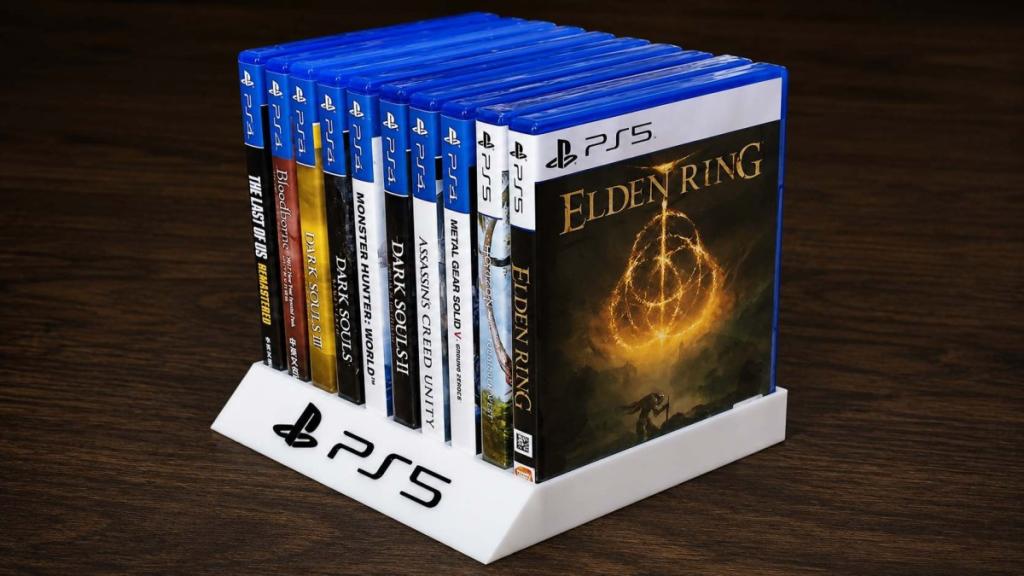
For players this means more than convenience lost. The ability to borrow a copy, resell a game at a discount, or swap collector editions vanishes. A used-market ecosystem that fed millions of budget gamers will shrink overnight, and that matters to your wallet as much as to game culture.
Will I still be able to resell or trade PlayStation games?
Short answer: not in the way you did before. Digital licenses are tied to accounts; third-party trade will shift from physical storefronts like GameStop to gray markets for codes, if it persists at all. You can expect fewer discounted pre-owned buys, which pushes more players toward full-price purchases on the PlayStation Store, Steam, or Epic Games Store.
On Reddit and Twitter, threads exploded within minutes — What the resale shutdown really costs
When Sony posted the change, community outrage followed, especially after Rockstar’s GTA 6 initially showed no physical disc option. That coincidence amplified a simple truth: physical media underpins an informal safety net for gamers.
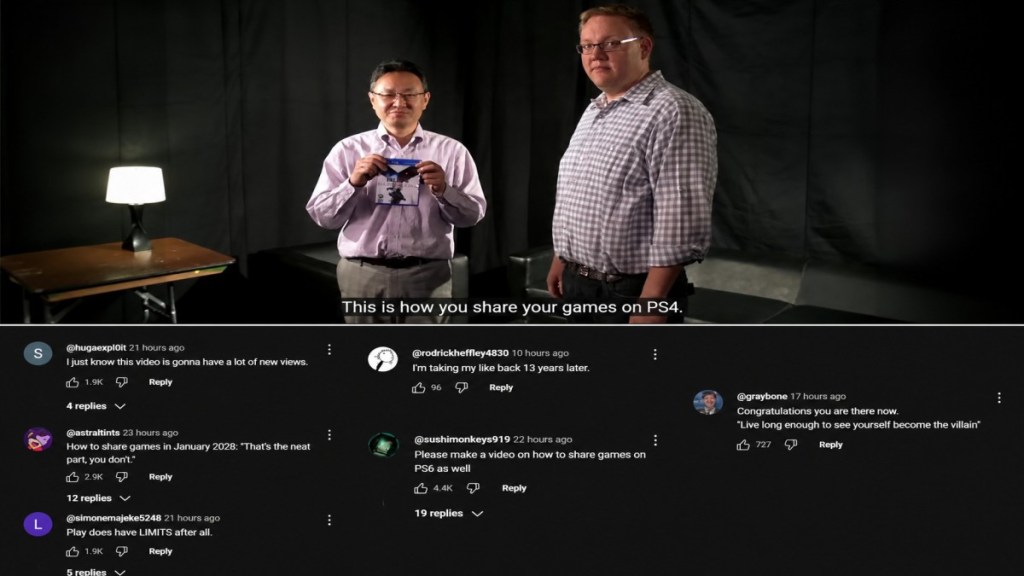
Sony once mocked used-game restrictions in a 2013 video starring Shuhei Yoshida and Adam Boyes. Now that mockery has a reversed angle: where once Sony promoted sharing, it will now be the architect of scarcity. This feels like a ledger gone missing for the secondary market.
Can I trust digital purchases long-term—what about DRM and licenses?
Digital games are licenses, not possessions. Many titles already require periodic online checks; some publishers implement a 30‑day license validation to keep a title active. If you buy digitally, your access depends on Sony’s account systems and the PlayStation Store remaining operable. If a storefront closes, recovery options—redeemable codes, account migrations, or refunds—become negotiation points between players and publishers.
At the console counter, buyers split between the Disc PS5 and the Digital Edition — Who pays what for choice?
After Sony raised the price on disc-equipped PS5 units, some buyers spent more specifically for the drive. That premium now looks like a short-lived hedge.
If you paid a $50 (€45) premium for the disc model, you effectively invested in a feature with a known sunset date. The digital-only future reassigns value: physical collectors lose a tactile benefit, while Sony boosts recurring revenue through PlayStation Network purchases, subscriptions, and microtransactions.
Will collector editions still include physical discs?
Collector boxes will persist, but many will swap discs for redeemable codes and memorabilia. If you collect physical copies for packaging and discs, you’ll be left with boxes and art, and a code tied to an account. Digital collector bundles could still offer extras, but the trade and resale value of those packages will drop compared with boxed sets that actually contained discs.
There are a few practical threads to follow if you want to hedge this shift: buy used copies now if resale matters, archive disc-based libraries, and keep account credentials secure. Watch publishers like Rockstar and platforms like the PlayStation Store and Steam for their piracy- and ownership-related policy updates.
You’ve got time to act before 2028. What are you planning to keep on your shelf, trade away, or refuse to buy if the option disappears?