
The world loaded in orange and quiet, and I stopped digging. The map was a pocket watch stopping at dusk. You can feel a small change in play that sends a clear signal: 26.3 is not cosmetic fluff.
I’ve been testing snapshots, poking through Reddit threads and TwitchCon teasers, and tracking Mojang’s notes so you don’t have to. Read fast—there’s loot to find and design choices to steal.
At my desk the calendar still shows Mojang’s quarterly rhythm — now someone set a new reminder.
Expect the Minecraft 26.3 update to arrive around mid-to-late September 2026. Mojang moved to regular, smaller drops this year, and the rhythm of Chaos Cubed and Tiny Takeover suggests the third quarterly window is the logical target. That timing lines up with snapshots and a handful of TwitchCon hints, not a formal launch post from Mojang yet.
Practical takeaway: if you run a server or plan a seasonal survival restart, schedule prep for a late-September roll-out and watch the Java Edition snapshot channel on Mojang’s site and the official Minecraft Discord for build-breaking changes.
When will the Minecraft 26.3 update be released?
The most likely window is late September 2026. Mojang’s snapshot cadence and prior 2026 drops point there, but an exact date awaits an official announcement from Mojang Studios (Microsoft).
Crowds at TwitchCon cheered at features, not a title — and that tells you how Mojang wants you to feel when you play.
Mojang hasn’t given 26.3 an official name. The hands-on teases centered on a single new biome and seasonal visuals, which makes an autumn-themed title probable. If I had to bet, the working nickname floating around the community — and in my head — is Poplar Paths.
What is the Minecraft 26.3 update called?
No formal name yet; the drop is currently described by its content. Expect marketing to lean into the Dappled Forest and its poplar palette when a title appears.
I spawned into the snapshot and found orange grass and new trunks — the feel was immediate.
26.3 favors exploration and atmosphere over combat additions. The biggest changes are a new biome called the Dappled Forest, fresh plant life, new structures, and technical improvements to transparency rendering on Java Edition. Below I break down the features I tested and why they matter for builders, explorers, and server owners.
Dappled Forest Biome
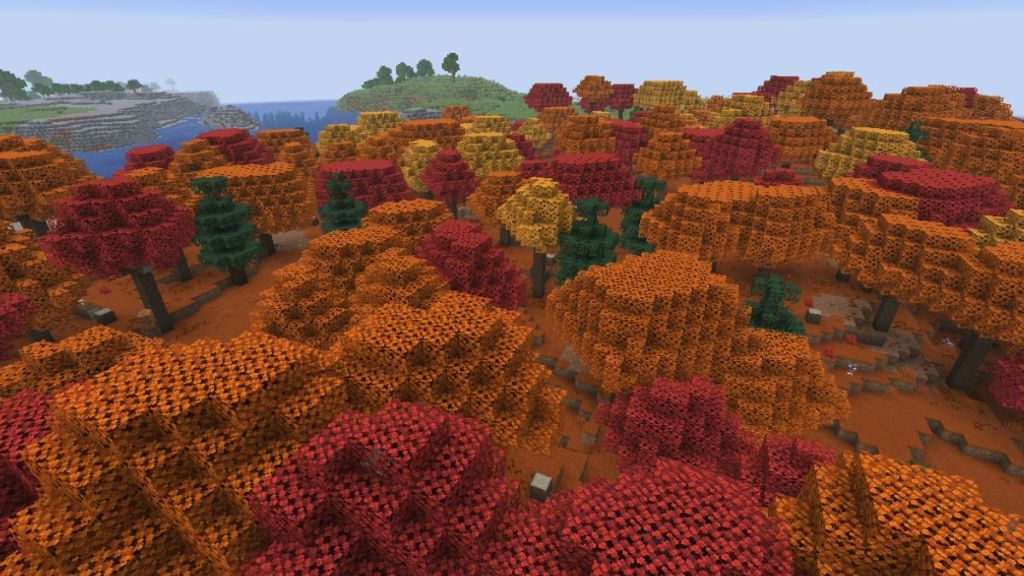
The Dappled Forest shows up around colder biomes and paints the Overworld in reds, oranges, and warm greys. It’s dense, atmospheric, and a new source of biome-specific resources: Shelf Mushrooms and Red Shrubs are unique finds here. Exploration now has a reward beyond loot — aesthetic resources that change how builds look.
Poplar Trees
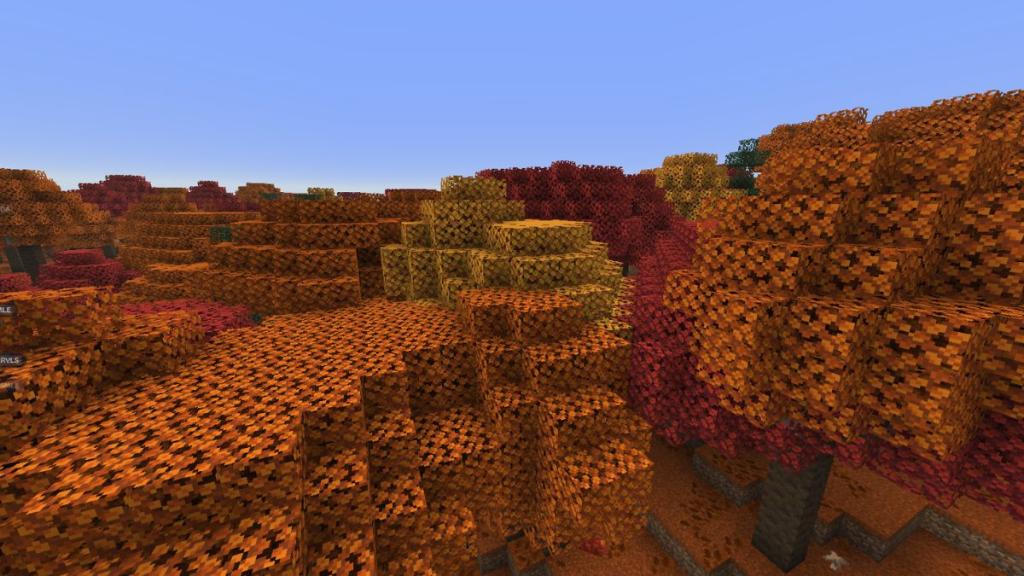
Poplar trees bring a new wood family. Each sapling can grow a tree with randomly colored leaves — red, orange, or yellow — and every variant emits matching falling leaf particles. Poplar logs and planks sit in a warm grey palette that plays well with neutral builds; Poplar planks are a warm wool blanket for builds.
Shelf Mushroom
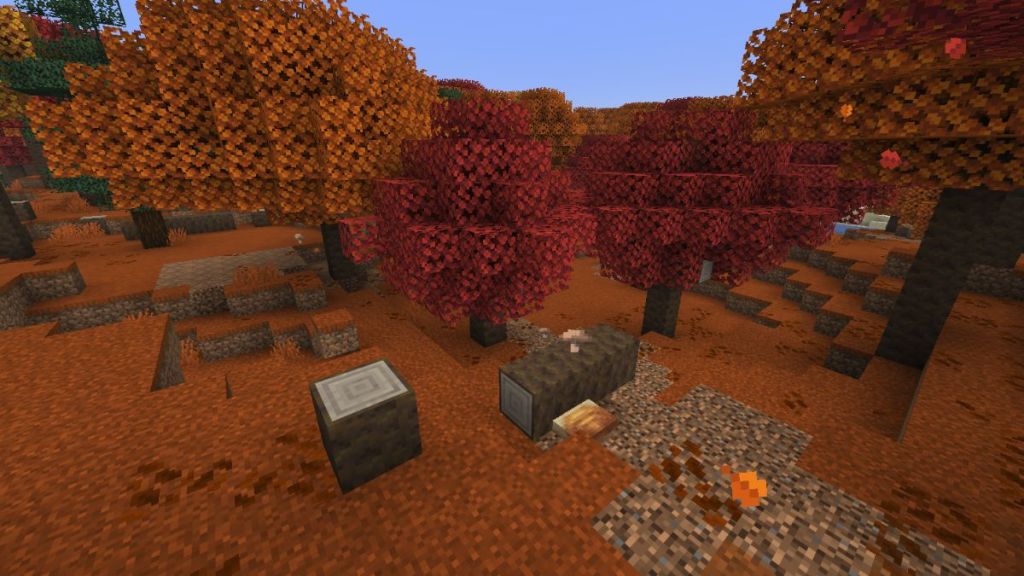
Shelf Mushrooms attach to standing Poplar trunks and fallen logs. They appear in small and large sizes; bone meal can grow the small variant into the large one. Functionally they behave like existing mushrooms in recipes, and can be used for Mushroom Stew or Suspicious Stew when combined with flowers.
Red Shrub
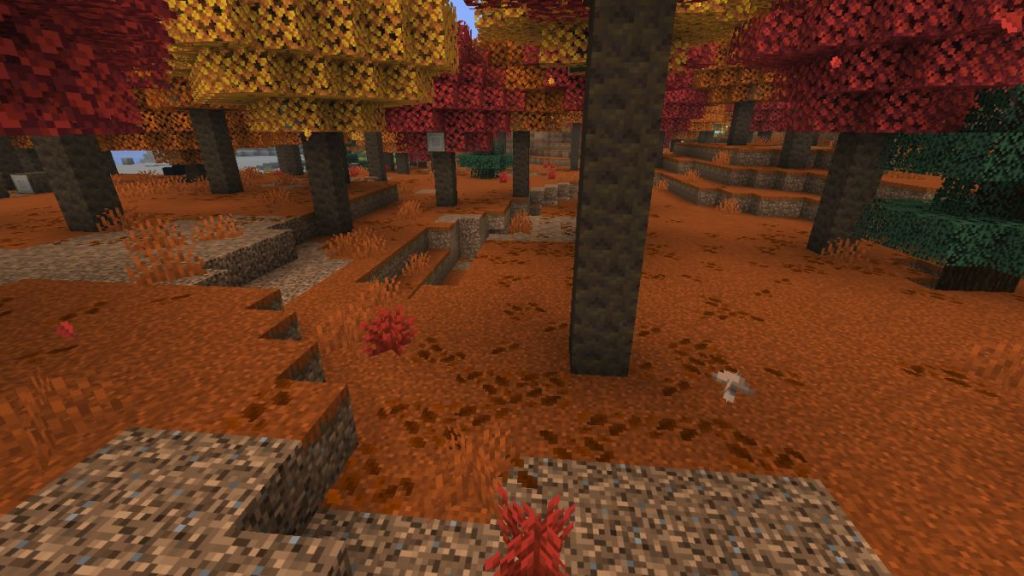
Red Shrubs grow atop orange grass and keep a constant crimson hue no matter where you plant them. They’re decorative, but practical too: they compost into bone meal, offering a subtle new resource loop.
Abandoned Camp
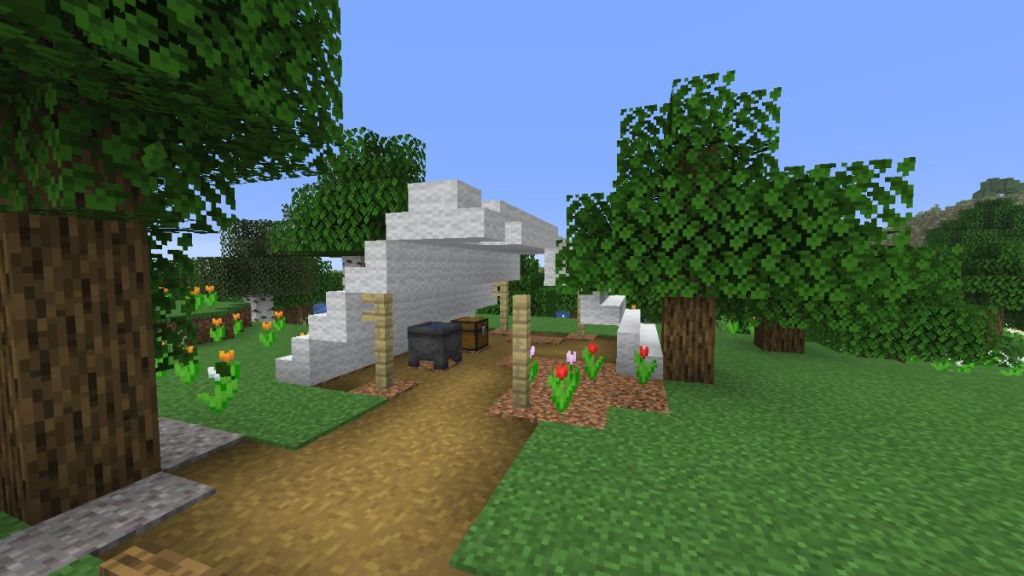
Abandoned Camps spawn across many biomes — Meadows, Cherry Groves, Taiga, Jungles, Swamp, Savanna, Pale Garden, and more — and blend into their surroundings. They contain chests and barrels with early-game supplies; expect food, tools, and crafting materials useful for the first night or two.
Wool Stairs and Wool Slabs
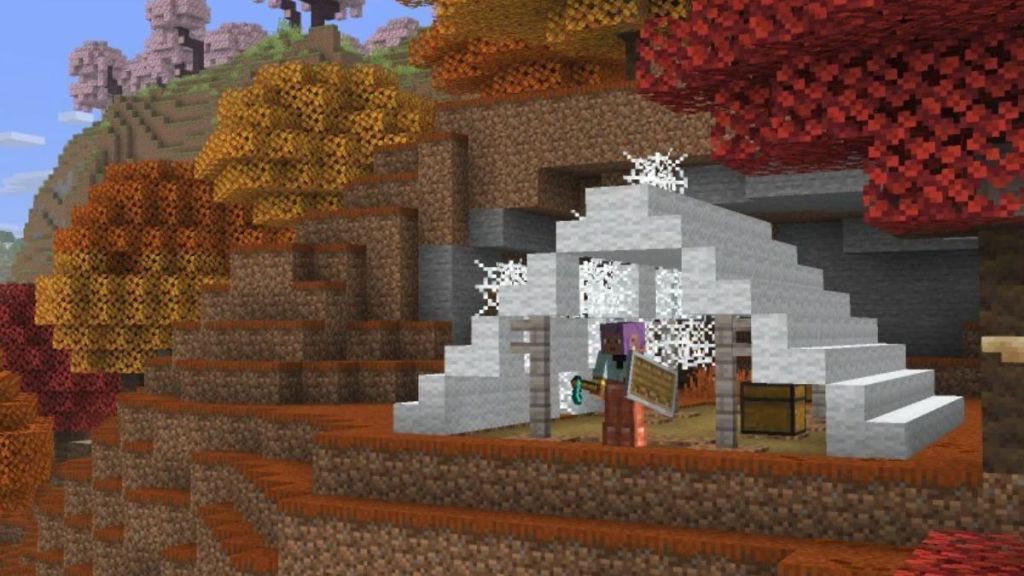
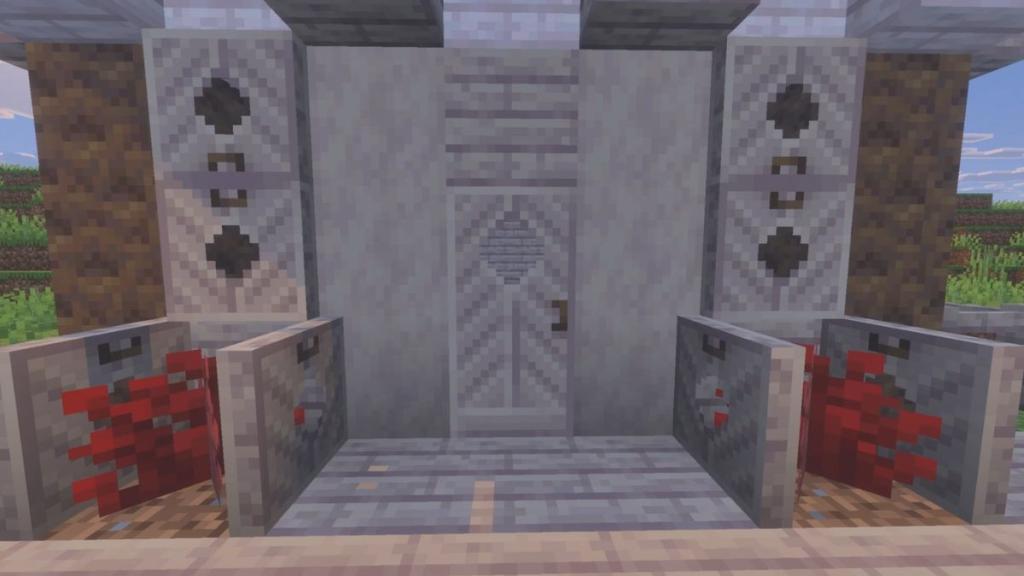
Builders asked for this for years: wool stairs and slabs join the block roster and retain wool’s vibration-damping properties. You’ll find them naturally generated as roofs or coverings in Abandoned Camps, and they open new doors for soft, colorful architecture and Warden-avoidance builds.
Rendering improvements with Order-Independent Transparency
Snapshot 2 focused on Java Edition rendering. Order-Independent Transparency (OIT) replaces the older Improved Transparency behavior, removing the need to sort transparent geometry on-screen. The change is subtle in many scenes but fixes weird artifacts: boats seen through glass no longer appear submerged, for instance. If you use shaders, OptiFine users and modders on Fabric/Forge will want to test compatibility; report issues on the Minecraft bug tracker and the OptiFine forums.
If you run a community server, watch the snapshot change logs on Mojang’s official site and test on a staging world before updating production — the new blocks and generation can shift spawn balance and resource availability for survival starts.
Small changes can shift how people play — I’ve seen it on Reddit and in public servers.
26.3 brings aesthetic currency: new blocks that change builds and new structures that nudge exploration patterns. Mojang’s move toward seasonal, smaller drops keeps the game feeling fresh without waiting for a single yearly bundle. Follow Mojang Studios on Twitter/X, check the official Minecraft forums, and join snapshots on Java Edition if you want an early look.
Have you tried the snapshots or started a Dappled Forest base yet — and which feature matters more to you: atmosphere or gameplay loot?