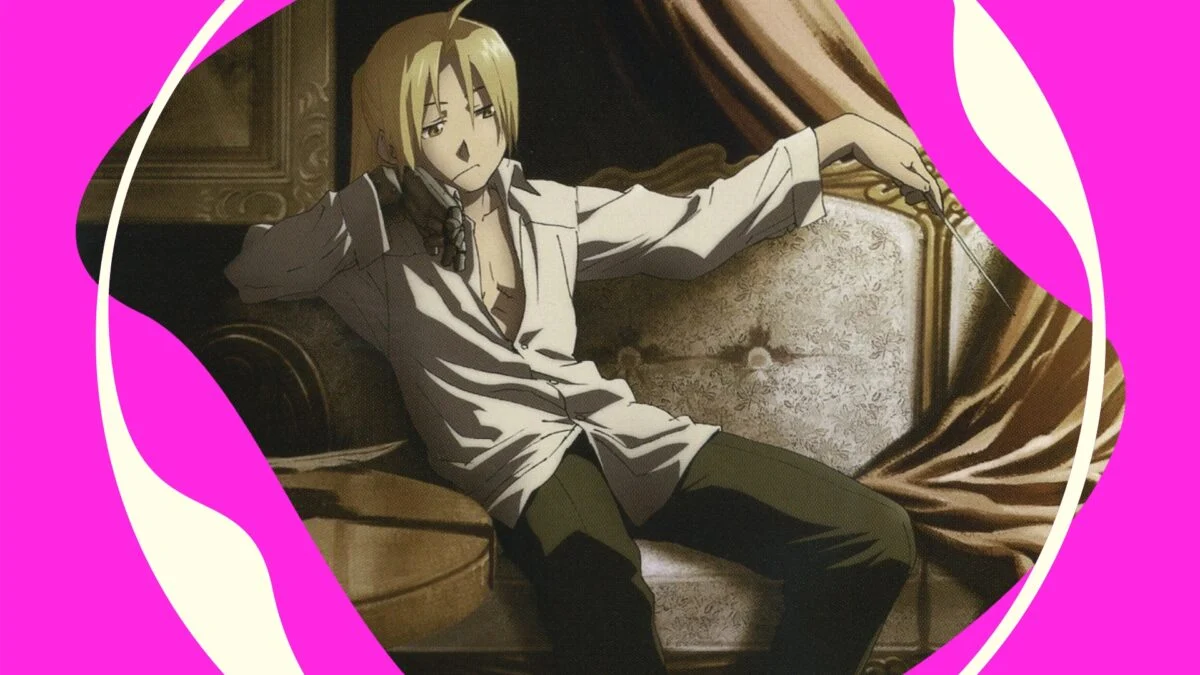
I was midway through a rewatch when it hit me: an eighteen-year-old episode still makes the room go quiet. My hands tightened on the remote as the credits rolled and I felt a small, steady ache—like losing something you didn’t know you owned. At that moment I stopped asking if any new series was “better” and started asking why nothing else lands the same way.
I’m not neutral about this. You’ll find my bookmark folder full of Studio Bones art books, Hiromu Arakawa interviews, and Akira Senju playlists. Call it bias born of repeated, painful admiration: Fullmetal Alchemist: Brotherhood rewired my expectations for what anime can hold—emotion, philosophy, and moral friction that doesn’t pander.
When a coworker finished episode one and sat silent
He shrugged, said nothing for a full minute, and then asked me if the world in the show was “real.”
The simplest answer is: it feels real because it treats its consequences like rock. Brotherhood builds stakes as if you could actually pay for choices—Ed loses limbs, societies count bodies, and policies have a living aftermath. That moral gravity is bolstered by Studio Bones’ animation and Akira Senju’s score; the show’s craft is not showy, it is surgical. The plot doesn’t just move characters forward; it re-purposes them, and that trust in the audience is rare in shonen.
Is Fullmetal Alchemist the best anime?
If “best” means the series that repeatedly returns the deepest emotional yield for the least indulgence, then yes—I call it the peak. You and I both know “best” is personal, but metrics back the claim: durable fandom on MyAnimeList, persistent cultural references, and streaming presence on Crunchyroll, Netflix, and Hulu. It’s a rare convergence of craft and resonance that keeps new viewers coming back.
At a convention panel a fan argued that the show’s politics were too heavy for its format
He had a point—then changed his mind halfway through a clip.
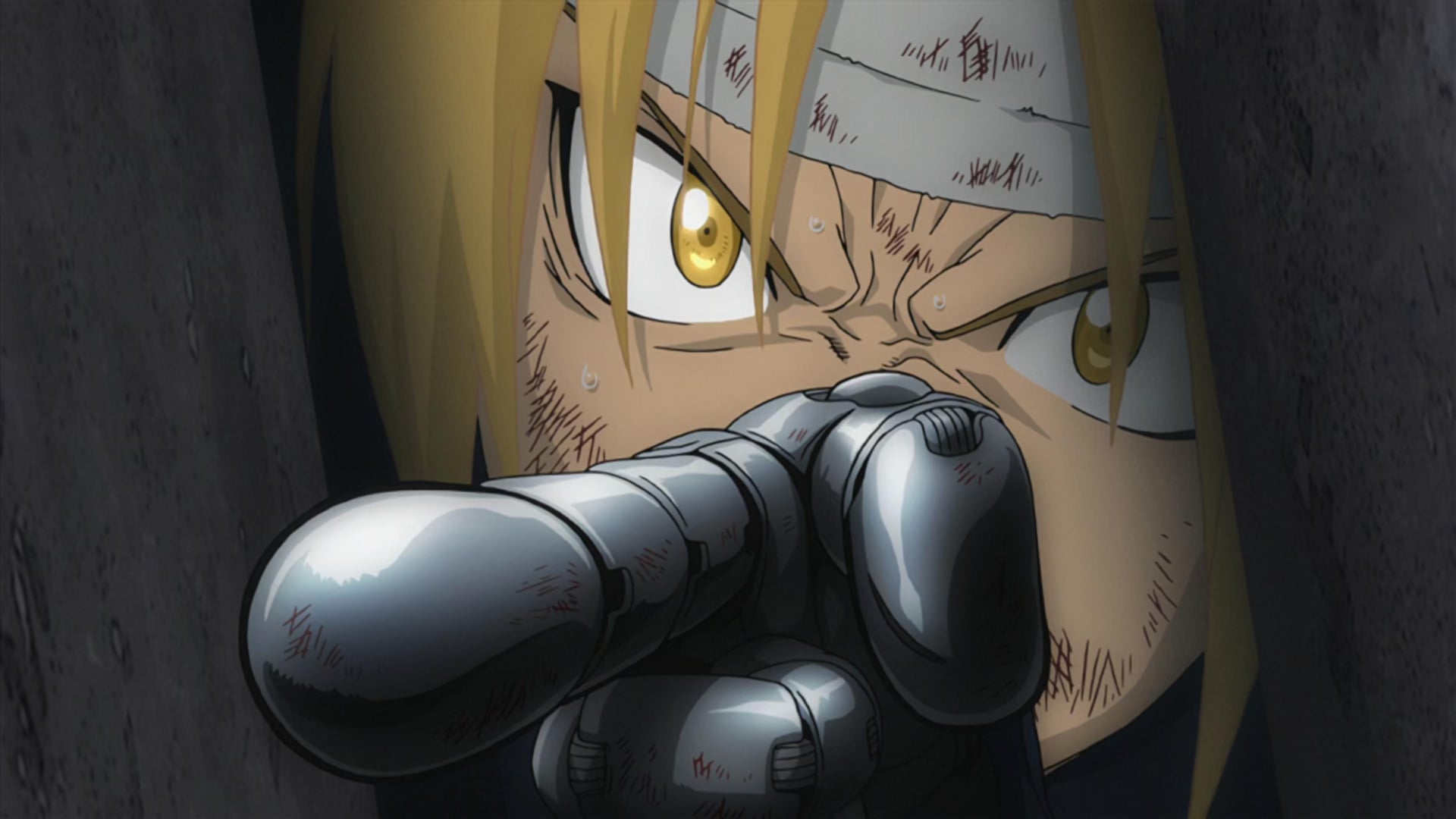
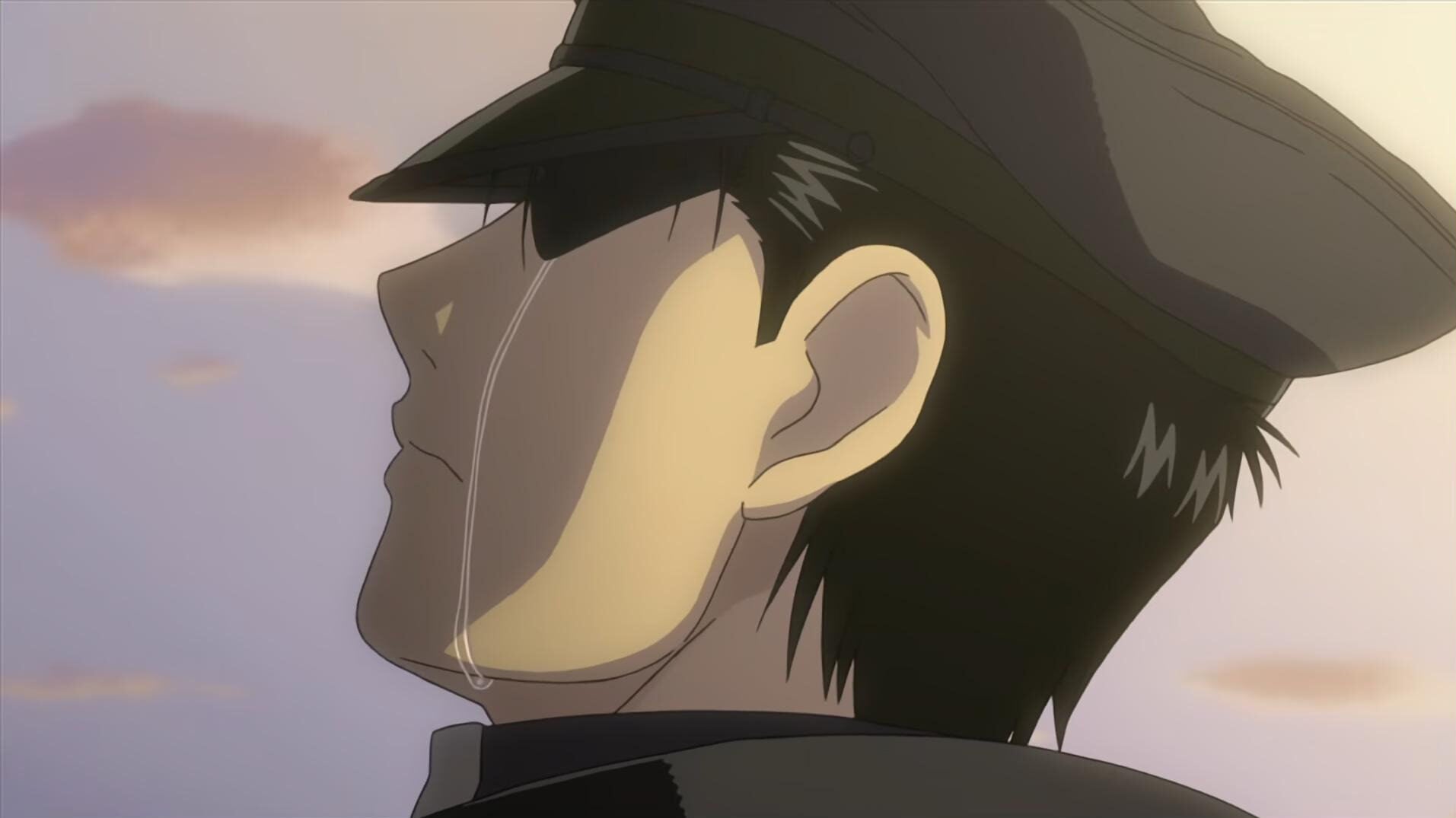
Brotherhood does not shy from state violence, war guilt, or revenge. The Ishval Civil War scenes force characters to reckon with atrocity in ways few mainstream series attempt. Roy Mustang and Riza Hawkeye carry medals that read like indictments; Scar is not a monster but a ledger of sins made flesh. That tension—protecting a broken world you helped build—is the engine of the show’s moral texture. The result is a narrative that holds accountability without losing empathy.
What makes Fullmetal Alchemist so popular?
It’s the synthesis: meticulous plotting, characters who change instead of leveling up, and themes that refuse easy comfort. Arakawa writes women who are funny, fierce, and fallible. The ensemble’s arcs interlock so neatly the ending lands as an inevitable consequence, not a manufactured twist. Fans on MyAnimeList and critics alike point to this craftsmanship; new series that borrow its emotional mechanics—Vinland Saga, Frieren—do so because Brotherhood taught storytellers how to balance spectacle with consequence.
I have laughed, cried, and argued with friends about a single gag
That scene in the tavern—where the Elrics bicker like exhausted siblings—still lands like a physical nudge.
The tonal control is exquisite: horror sits beside slapstick, and grand philosophy gets interrupted by a simple, human joke. That elasticity keeps you invested. Arakawa’s women—Riza, Winry, Olivier—aren’t props; they steer scenes, break tension, and complicate the heroes’ moral choices. The show gives room for tenderness without ever softening accountability. It’s a rare balance; some series swing wildly between gravity and levity. Brotherhood walks that tightrope every episode.
Where can I watch Fullmetal Alchemist?
You can stream Fullmetal Alchemist: Brotherhood on Crunchyroll, Netflix, and Hulu. If you prefer community data and user reviews before you press play, check the show’s MyAnimeList page for ranking trends and fan discussions. Those platforms keep the series front-and-center, so new viewers can find it as easily as old fans can rewatch it.
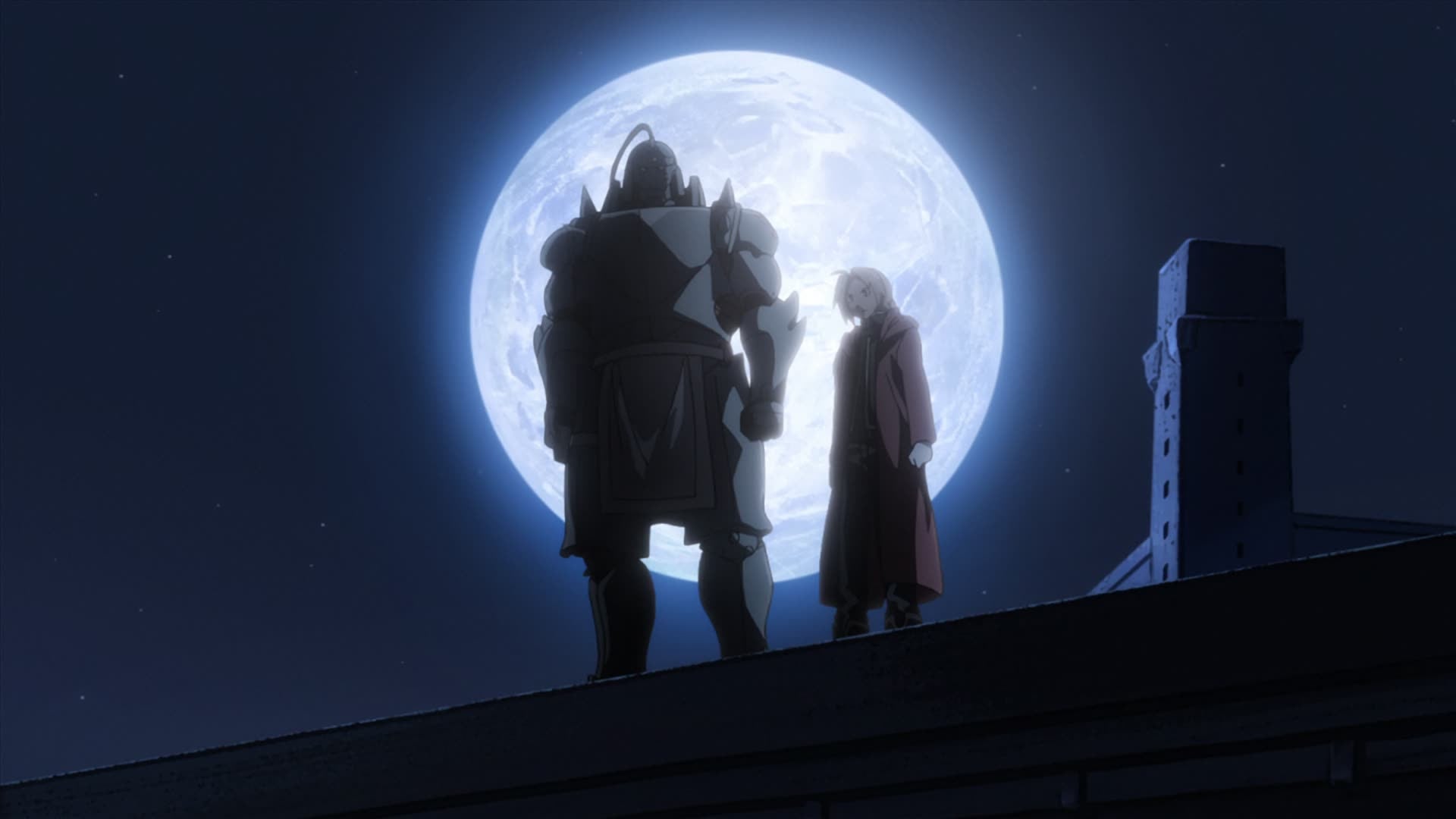
Two final notes: first, the show’s influence is visible across modern manga and anime—the moral complexity you saw in Vinland Saga and the quiet wonder in Frieren trace back to Arakawa’s lessons. Second, while other series are sparks, Brotherhood is the compass that keeps fandom oriented; it’s one of only a handful of titles that readers and creators reference when they want to talk about standards.
If you’ve reevaluated a favorite because of one scene, or if you keep revisiting Brotherhood and keep finding new shades, why do you think no other anime has taken that crown for you?