
She watches the engagement cake being cut while a rumor history creaks in the corners of the room. A girl counts her periods in private and a secret network keeps breathing under the floorboards. I sat through “Broken” knowing some scenes would land heavy—then felt them land harder than I expected.
I want you to see how episode eight of The Testaments pulls two old revolts forward and makes them pulse in the present tense. I’ll point out the moves the writers make, the emotional gears that grind, and why those gears still carry the weight of June’s rebellion.
At every engagement party people trade nervous smiles. — Weddings as social theater reveal where power still lives
Engagements in Gilead are a rehearsal for obedience, and “Broken” stages that rehearsal so carefully it hurts. Agnes, Becka, and Hulda are engaged but not aligned: unreciprocated crushes and arranged futures turn a happy ritual into a pressure chamber.
That pressure isn’t accidental. The scene forces you to watch how social performance covers institutional violence—how a smile can be a shield for fear and a mask for complicity. Agnes narrates in a voice that’s both wry and brittle; she records the moment like a witness whose testimony matters later.
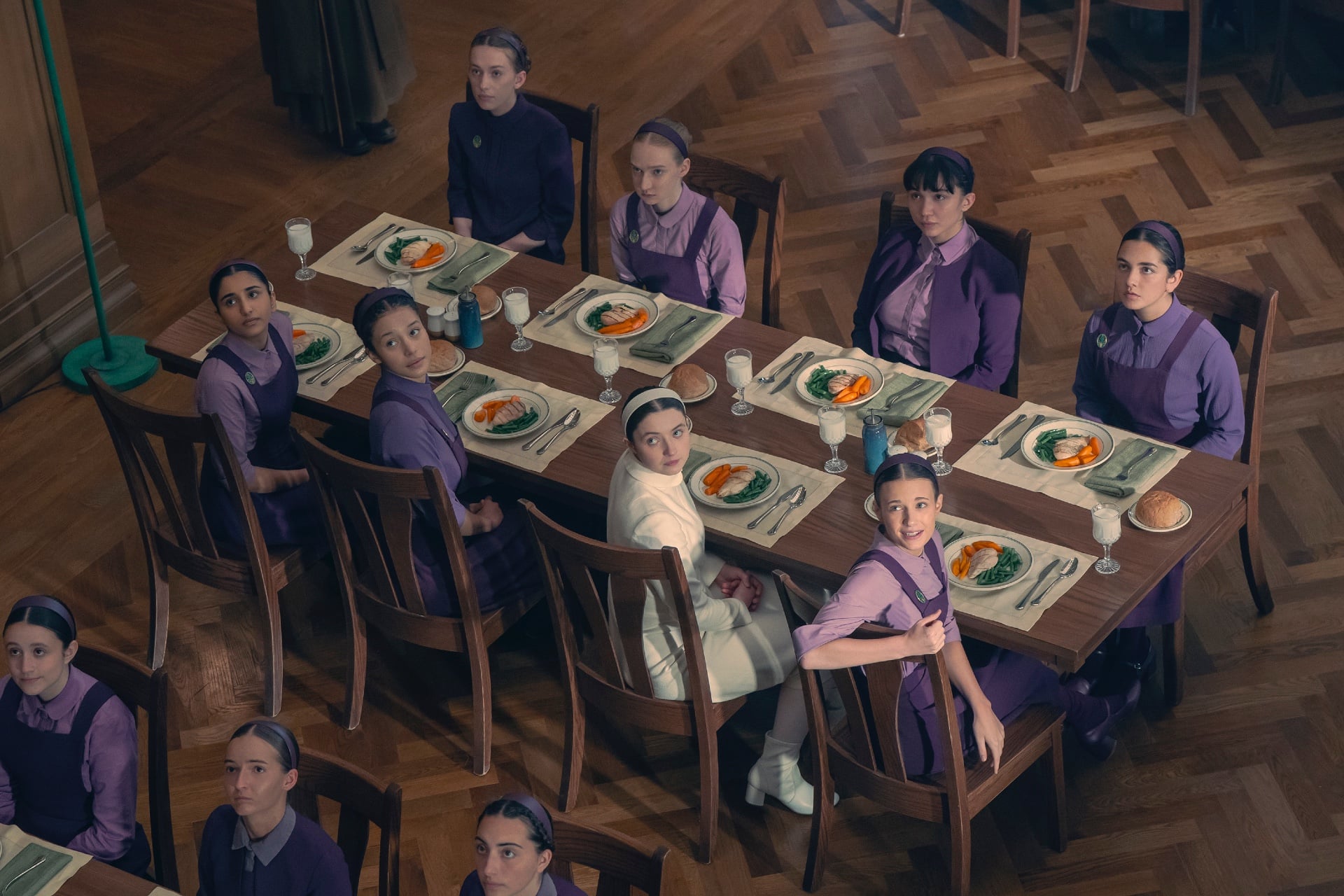
What happens in The Testaments episode 8?
“Broken” builds tension through rituals: matches, engagements, and the exclusion of girls like Shunammite from sex education. The episode layers guilt and secrecy—Becka’s father’s crimes, Daisy’s sudden puberty, and Shu’s private, inherited grief—all of which recalibrate the stakes for anyone who remembers June’s work in The Handmaid’s Tale.
At schoolyards, children learn which bodies matter first. — Shu’s story reframes Angel’s Flight
Shu’s anxiety about being barren reads like a family burden folded into a national myth. Her confession—her brother taken on the “Night of Tears”—collides with Mayday’s version of events and opens the old wound June created.
Daisy, who knows the history from Canadian classrooms, recognizes the Night of Tears as Angel’s Flight. That tethering of private grief to a public rescue flips the narrative: what Gilead treats as loss is, from another angle, survival in motion. June’s raid that sent children to Canada still resonates; it is a loud, destabilizing fact for girls raised inside the state.
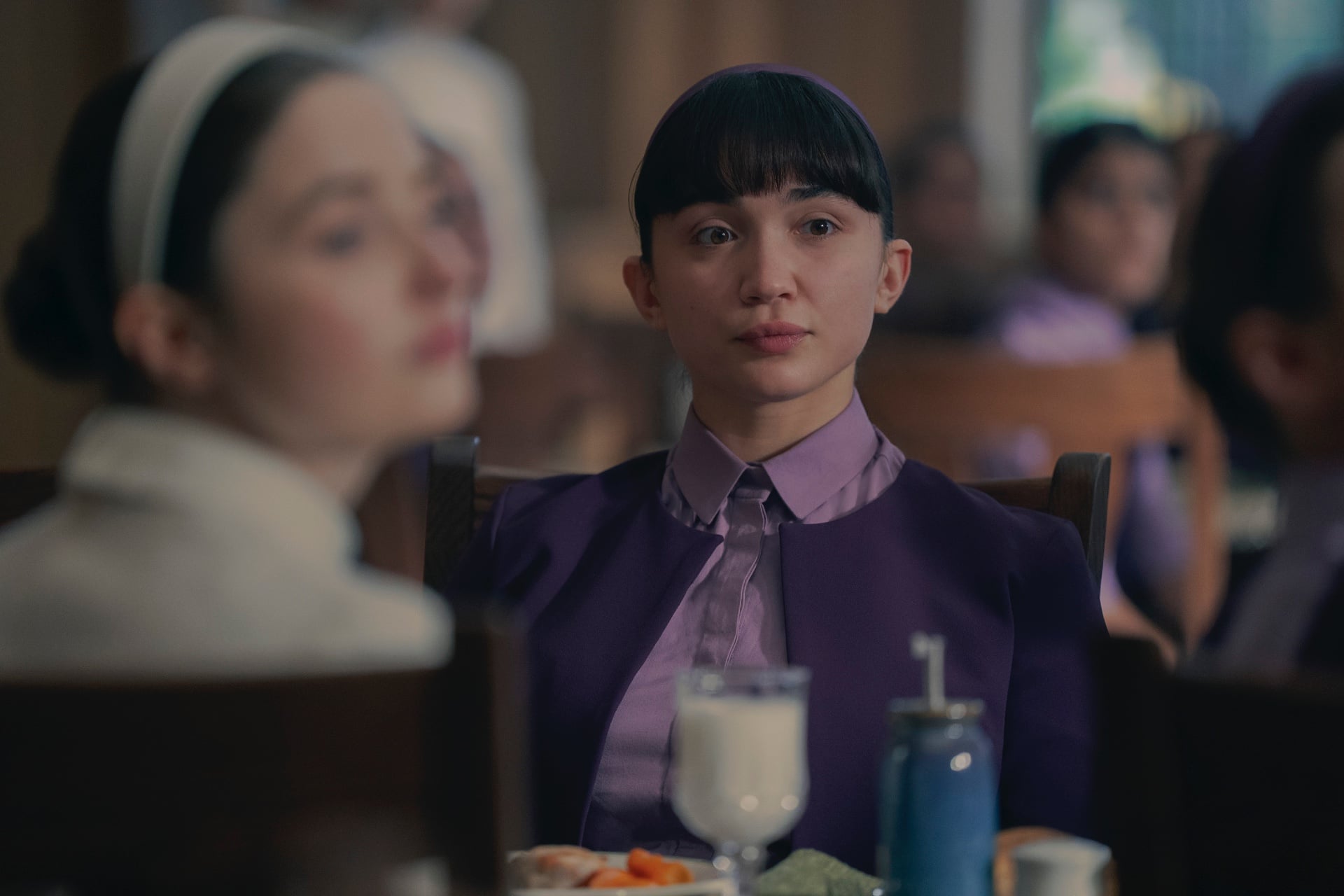
Shu’s line—“I can’t let my parents down”—is more than adolescent fear; it’s the inheritance of trauma after a mass rescue. You see how Gilead teaches its victims to grieve the wrong thing: the loss of children becomes evidence of martyrdom instead of evidence of escape. That moral inversion is why June’s action still matters emotionally and politically.
How does The Handmaid’s Tale connect to The Testaments?
The series link back to specific events—most notably the plane mission that moved children to Canada in season three of The Handmaid’s Tale. Episode eight names and reframes that mission, making it a touchstone for characters who either remember or were taught a false version of the past.
At home, secrets are kept behind polite doors. — Boys raised inside Gilead are not exempt from ruin
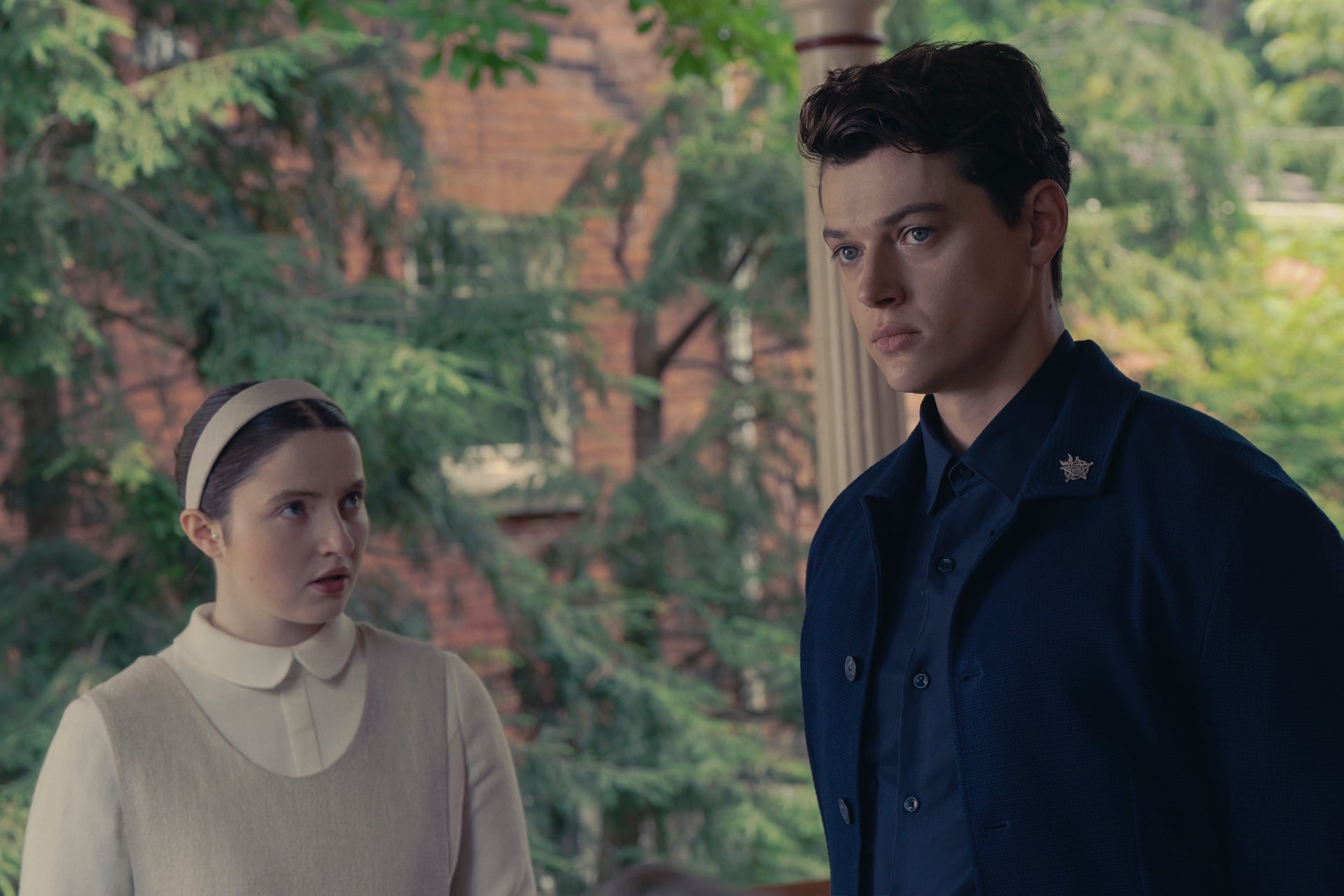
Garth is a useful case study: raised to be dutiful, his competence at obedience makes him a poor reader of emotional nuance. He hates the system, yet he can’t translate that hatred into tenderness or imagination. He performs morality like a role rather than feeling it.
That emotional flattening is the male counterpart to women’s bodily scripts. Some men become quietly resistant; others become brittle enforcers. Garth’s father, poisoned by Mayday, becomes a symptom of that slow ruin. The show asks where redemption ends and damage begins—an unresolved question that June’s rebellion forced into public view.
If you follow creators and critics—Margaret Atwood for source material, Elisabeth Moss for the original June, Ann Dowd for Aunt Lydia—you’ll notice a through line: rebellion leaves collateral moral questions that shows like The Testaments are still unpacking. Io9 and other outlets that cross-cover TV and cultural critique are useful when you want further context about production or release schedules.
New episodes drop Wednesdays on Hulu ($7.99; €8) and Disney+.
June’s rebellion lands like a dropped stone at the center of a still pond, and that ripple is not finished changing the shoreline; Shu’s longing is a closed door waiting for a rusted key. Will you take a stand with the memories the show preserves, or argue that rescue can never undo what was taught at home?