
I remember the moment I first saw Nikki blink the wrong way in a quiet frame — and felt my mouth go dry. You sit up, because a soft wish has become a shape in the room. I want to show you how Michael Johnston and Inde Navarrette made that shape matter.
In a crowded chemistry read, two strangers failed a handshake and found the film’s tone
The Stars of ‘Obsession’ on Crafting Their Perfect, Creepy Characters
io9 spoke with both Michael Johnston and Inde Navarrette about the new film, now in theaters. If you pay attention to the credits — and to trades like Variety or listings on IMDb — you’ll see a mix of familiar names and these two rising actors who carry the film’s moral weight.
Who are the leads in Obsession?
Michael Johnston plays Bear, the awkward, desperate coworker whose foolish wish becomes catastrophic. Inde Navarrette is Nikki, whose agency gets stolen and then surgically recast by the plot. You’ll recognize production support from Focus Features and the writer-director Curry Barker, who shaped the psychological switches that make the film pulse.

In late-night rehearsals, actors traded notes like people trading nervous confidences
I watched the anecdote Johnston tells about the chemistry read — the awkward half-handshake, Inde’s “What’s up, dog?” and the offbeat high five — and felt how deliberate small misalignments can sell a relationship. You sense they were playing opposite ends of believability on purpose: Bear’s misplaced optimism versus Nikki’s fractured normalcy.
Johnston explained that he tried not to judge Bear, instead tracking desire and perspective. Navarrette described the work as an emotional well to tap: a place to scream, to be emptied, and to be refilled by the scene. Watching them, you notice how restraint becomes louder than any scream.
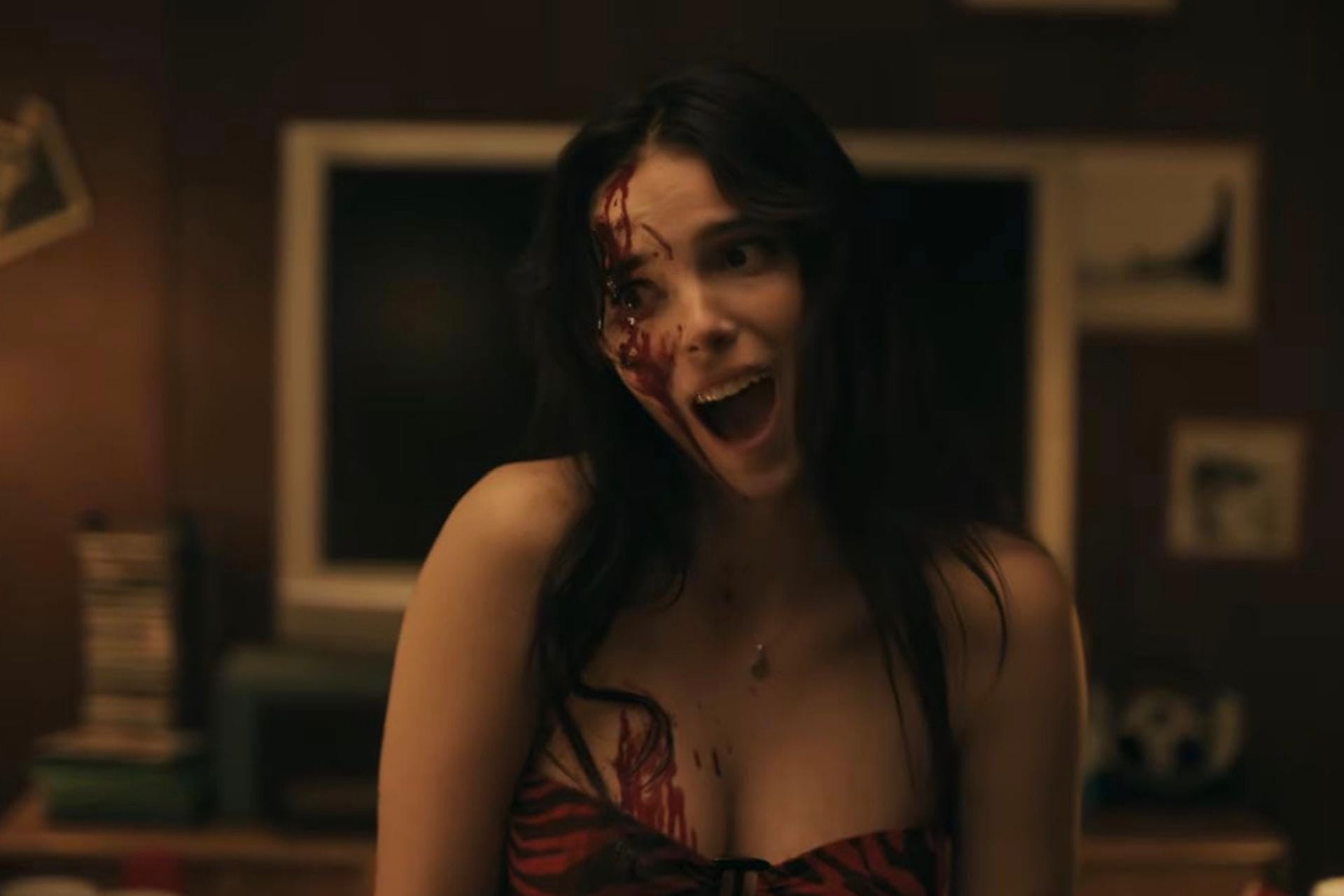
What is Obsession about?
Bear makes a joking wish using a One-Wish Willow; Nikki is granted an extreme love for him. The story becomes an experiment in consent, guilt, and who we become when desire is weaponized. It’s a tight moral drill that Barker stages with thriller beats and quiet, nasty humor.
On packed sets where the craft is noisy, actors carry scenes home in different ways
I asked them how they cooled off after long days: Johnston took baths and books as rituals; Navarrette treated the set like a kind of allowed therapy, tapping into emotion when needed and leaving it there. You see two methods of containment: one that needs quiet, one that needs release.
There’s technical craft in service here: Taylor Clemens’s cinematography and Barker’s direction create the timing for Nikki’s “pop-in” moments, where her real self briefly surfaces then gets pushed back. Those beats are designed to mess with your nervous system — a feeling like a radio station cutting in over a song.
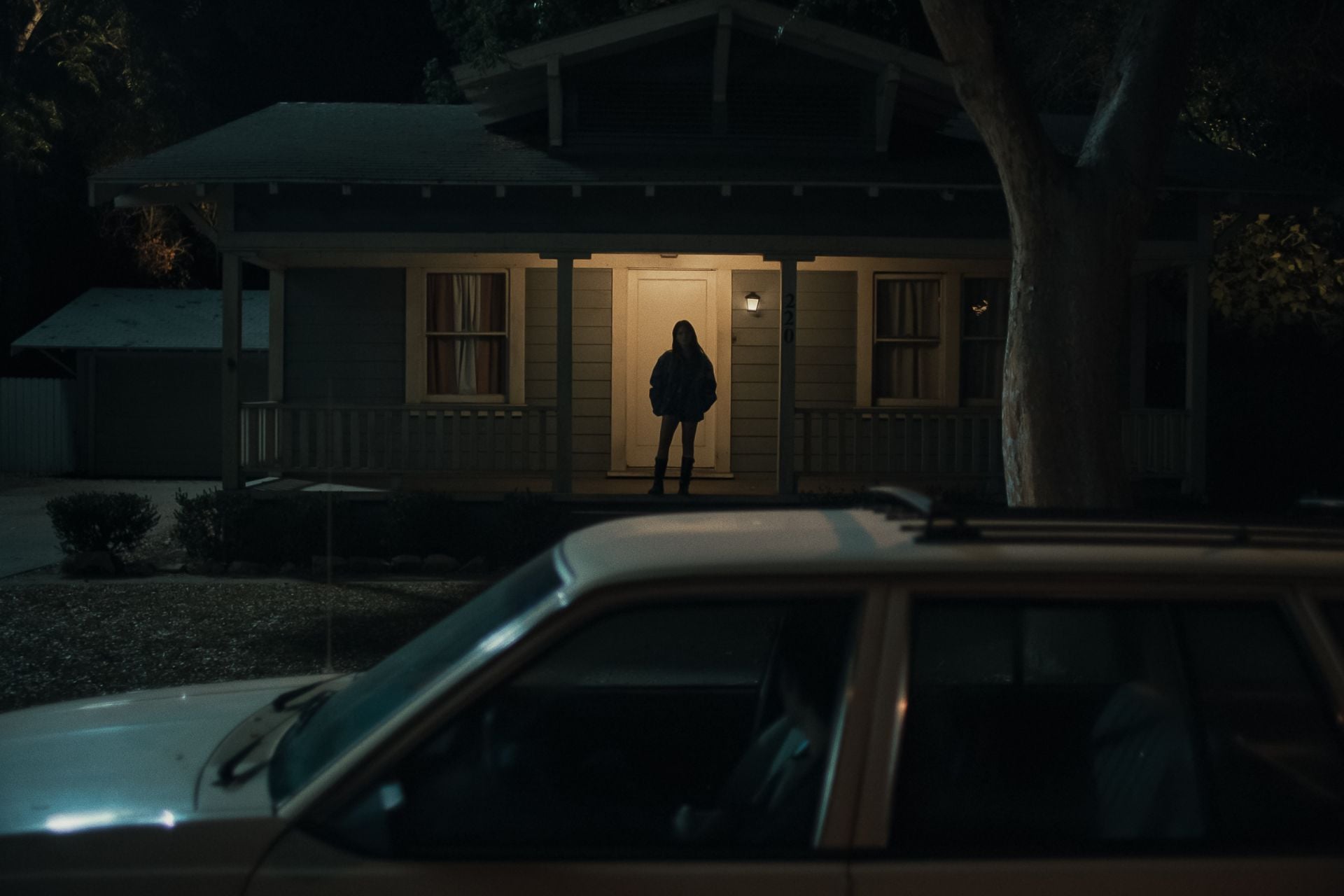
Is Obsession scary?
It’s less about jump scares and more about moral claustrophobia. The film flips your idea of who deserves empathy, and that inversion is what tightens the chest. The final sequences — which Johnston admits were terrifying to perform — fuse psychological pressure with physical stakes in a way that will leave audiences talking.
Practically: tickets are priced under $15 (€14) at many chains, and the film’s social buzz is already building on Instagram and TikTok where clips and reactions amplify the conversation. If you follow director Curry Barker, or monitor pages like IMDb and Focus Features, you’ll catch the rollout and behind-the-scenes clips that illuminate the actors’ methods.
If you study performance, note how Johnston balanced likability and culpability like a cracked compass, always pointing toward motive even when the moral map failed. And watch how Navarrette keeps Nikki’s humanity visible in the smallest gestures, so when the wish warps everything, you’re still watching a person, not a trope.
Actors and filmmakers will compare methods — Method, practical rehearsal, chemistry reads — and you’ll see journalists cite Sundance alumni or industry friends in pieces that trace how smaller films find a larger life. For now, the question is simple: after you see Obsession, whose responsibility feels heaviest — the maker’s, the wisher’s, or the witness’s?