
I watched the new key visual and felt my chest tighten—fans were already lining up to protect a memory. You can almost hear the comment threads sharpening their knives. I get it; when you love something, changes feel personal.
I’m going to walk you through what matters here: why the art feels radical, what the filmmakers actually kept from Osamu Tezuka, and why you should give this reinterpretation a fair hearing. You and I both care about craft, history, and whether a remake honors its source. Treat this like a conversation between colleagues who won’t let nostalgia shut down curiosity.
At a crowded cafe, someone at the next table spat out their coffee when they saw the poster.
The first thing people notice is the face. Studio OUTLINE’s character art—shaped by Kei Mochizuki and Mai Yoneyama—leans sleek, modern, and undeniably contemporary. Yuki Igarashi, directing, frames action with the visual grammar of shows like Attack on Titan and Jujutsu Kaisen, so motion and punch feel immediate.
This redesign is like a neon repaint on a vintage car. The silhouette is familiar, the chrome is different, and fans will argue over whether it still honors the original engine.
Why does The Ribbon Hero look so different from Princess Knight?
Because the creatives at OUTLINE are translating a 1953 manga into a 2026 visual language. Tezuka’s linework, whimsical proportions, and theatrical roots (Takarazuka Revue influences) are literary history; Mochizuki and Yoneyama are translating those notes into a contemporary anime score. Netflix and Studio OUTLINE are not erasing Tezuka—they’re remixing his motifs for a platform that favors kinetic storytelling and modern character silhouette cues.
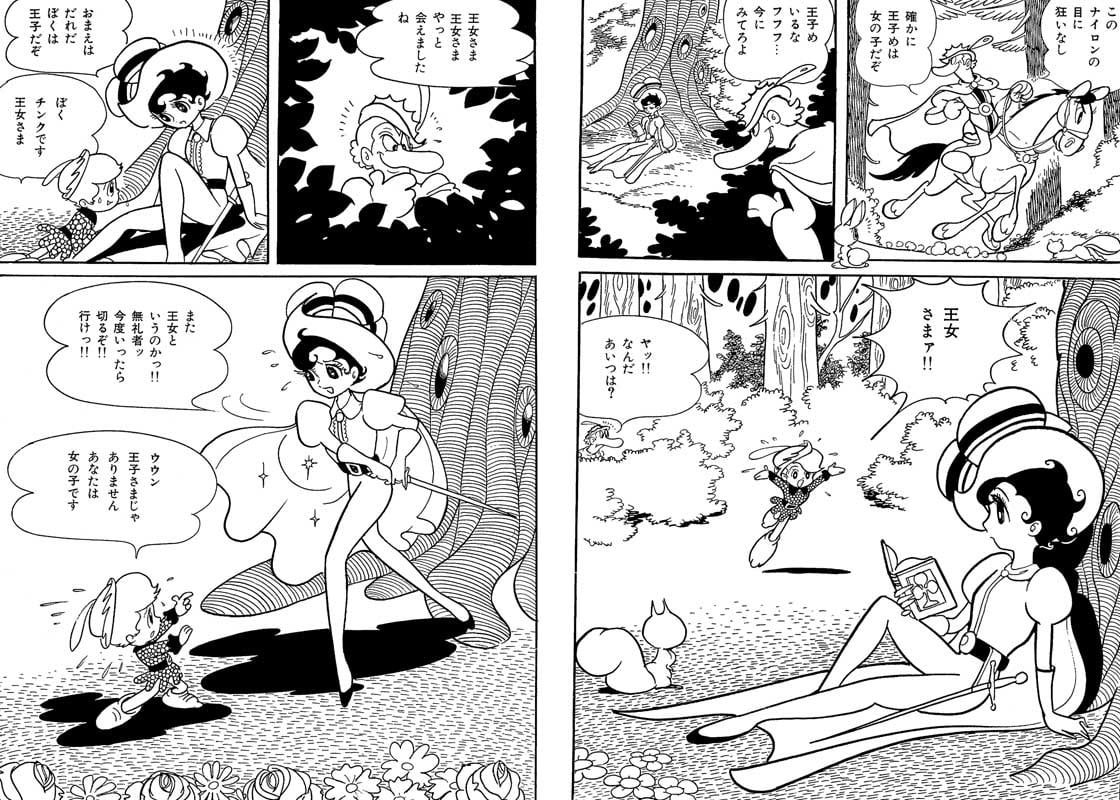
On my bookshelf, Tezuka’s omnibus sits dog-eared next to modern art books.
Opening the Kodansha omnibus reminds you that Princess Knight is more than a pretty face; it interrogates gender and performance in a way that was startling for the 1950s. Tezuka stages angels, swapped hearts, and a royal household forced into a farce of cross-dressing and political theater.
The Ribbon Hero’s trailers trade some of Tezuka’s gender-as-principle for a clearer emotional spine: trauma, survival, and the bonds forged in battle. That is not a betrayal—it’s a reframing. The film appears to foreground Sapphire’s resilience and her relationship with another young woman, steering the narrative toward queer subtext that older works like The Rose of Versailles helped normalize.
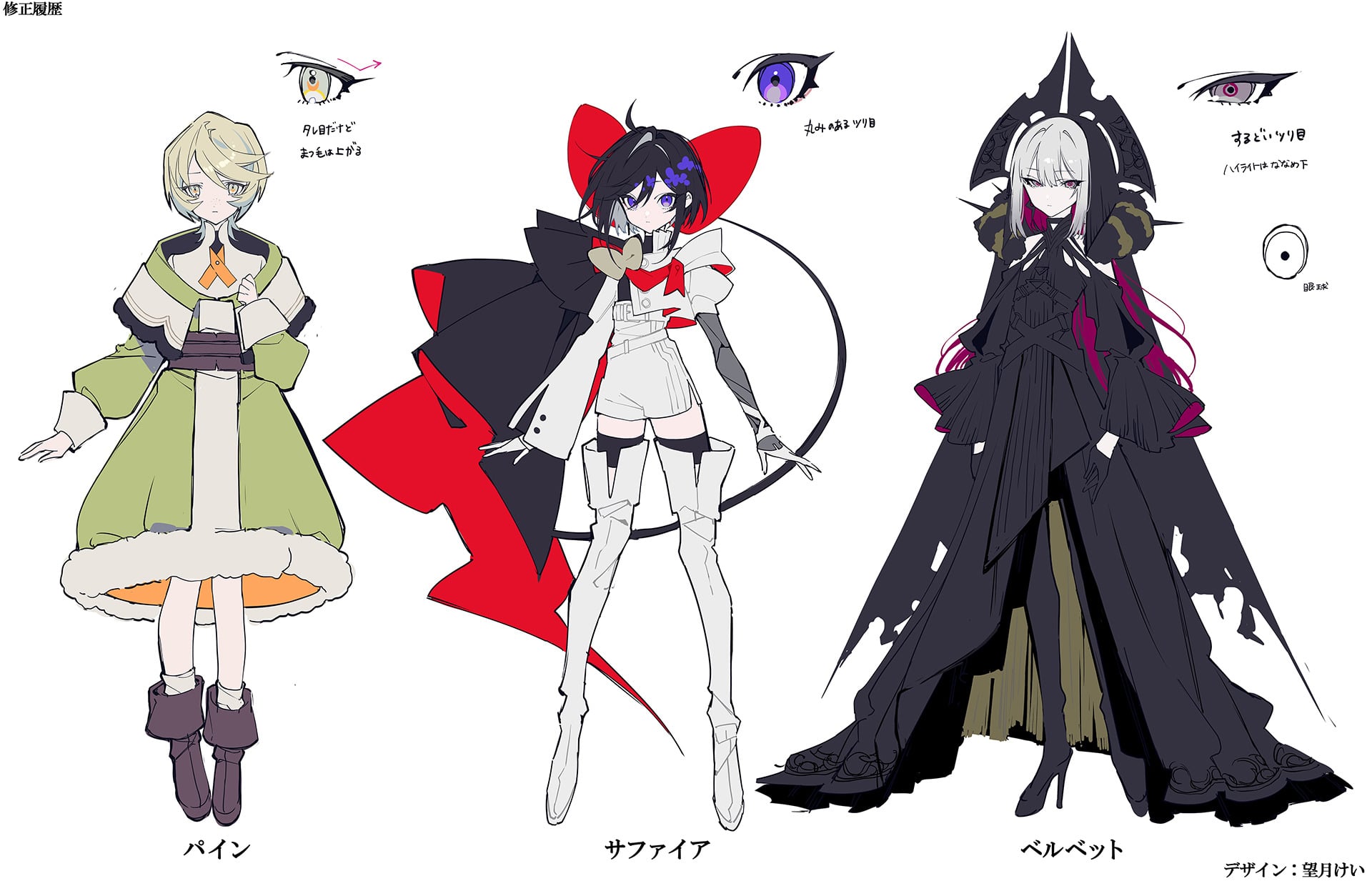
Is The Ribbon Hero faithful to Osamu Tezuka’s Princess Knight?
Faithful in spirit, not in frame-for-frame replication. Tezuka’s original plays with gender identity and slapstick melodrama; OUTLINE’s film appears to mine those themes while reshaping plot beats for a modern audience and streaming format. Look at the creative team: Mochizuki (Fate/Grand Order), Yoneyama (Cyberpunk: Edgerunners), and Igarashi bring a lineage of contemporary hits—so fidelity here reads as honoring intent rather than copying panels verbatim.
Scrolling X/Twitter, fans’ replies exploded with nostalgia and protective outrage.
That reaction is predictable: fandom treats classics like family heirlooms. But Netflix’s history with Tezuka adaptations suggests reinvention can add relevance. Studio M2’s Pluto was a reinvention of Astro Boy that used Naoki Urasawa’s perspective to make a darker, politically aware story on a streaming scale.
The director told Netflix he poured respect into Tezuka’s legacy and the Takarazuka roots. That kind of authority cue matters: the people remaking the work are aware of the pilgrimage fans will make through memory and opinion.
When does The Ribbon Hero release on Netflix?
The film drops on Netflix on August 8. Expect conversation to spike on X and Reddit within minutes—tweetstorms and thinkpieces are part of the rollout now, not afterthoughts.
The Ribbon Hero doesn’t erase Tezuka; it translates him into motion that will be judged by a new generation and by those who grew up with the originals. Think of it like a jazz riff, improvising around a melody you already know. Will you defend the sheet music, or will you let the band play and see what new harmonies emerge?