
I sat in the theater as the credits began and felt my pulse speed up. A single shot — a tracker pinging somewhere in space — made the room go quiet. You and I both left with the same itch: there are threads here that won’t leave us alone.
I’ve watched Spider-Man: Brand New Day twice, taken notes, cross-checked IMDb pages and Box Office Mojo, and nudged friends who know Marvel Studios politics. I’ll point out what’s obvious, what’s suspicious, and what Sony and Disney quietly seeded for later. You’ll get short, sharp takes — and a few possibilities that demand your imagination.

You notice Peter’s apartment looks expensive. How does Peter make money?
He’s out of high school, Aunt May is gone, and no one legally links Peter to Spider-Man. Yet he has tech and rent. I asked sources familiar with Marvel’s prop budgets and scanned the film’s beats: there are three practical options still on the table.
- Inheritance or trust: Aunt May may have left him funds or access to an estate manager. That’s the simplest off-screen explanation and explains sudden adult stability.
- Contract work or a stipend: Peter could be receiving a quiet stipend through Avengers-aligned channels — think a shadowy grant approved by someone in Tony Stark’s network or a courtesy from Marvel-aligned vendors.
- Side income from tech: Peter’s gadgets and new suit could be currency — prototypes, patents, or favors that convert to housing and labs.
None are spelled out, but I wouldn’t dismiss a future cameo or a brief line from Kevin Feige or a Sony rep that folds the ledger into the next movie.
You remember the Staten Island line that Frank and Peter trade. What happened on Staten Island?
The dialogue treats that rescue like a compact mythology between the two men. We never see the event, which is a smart writing choice: it lets audiences fill in the stakes.
What matters is how it formed a debt and a loyalty. Frank’s willingness to trust Peter later doesn’t need the scene; it only needs the emotional imprint. Still, I’d love to see the sequence — it feels like a short film waiting inside the third act.
During Jean’s mind-search there’s one recurring image. When did that Aunt May scene take place?
The image of Aunt May on Peter’s bed is staged with memory markers: the bag Tony gave Peter sits beside her. That small prop anchors the scene to a narrow window after Homecoming and before the new film’s opening beats.
If you ask me, it’s a constructed memory — one Peter revisits and preserves — not a literal eyewitness timestamp. It functions as a compass: May’s moral gravity is the film’s moral compass.
How does Jean Grey find Peter?
Jean tells Peter that finding him wasn’t difficult. That line is intentionally breezy. There are at least two plausible mechanics: telepathic triangulation via her sister or a subtle network of mutant signals — or, far simpler, she used classical detective work backed by telepathy to narrow a search kernel and follow public traces.
This is also writing economy: Sadie Sink’s Jean arrives with power and mystery, which Sony and Marvel will milk for future marketing and press cycles.
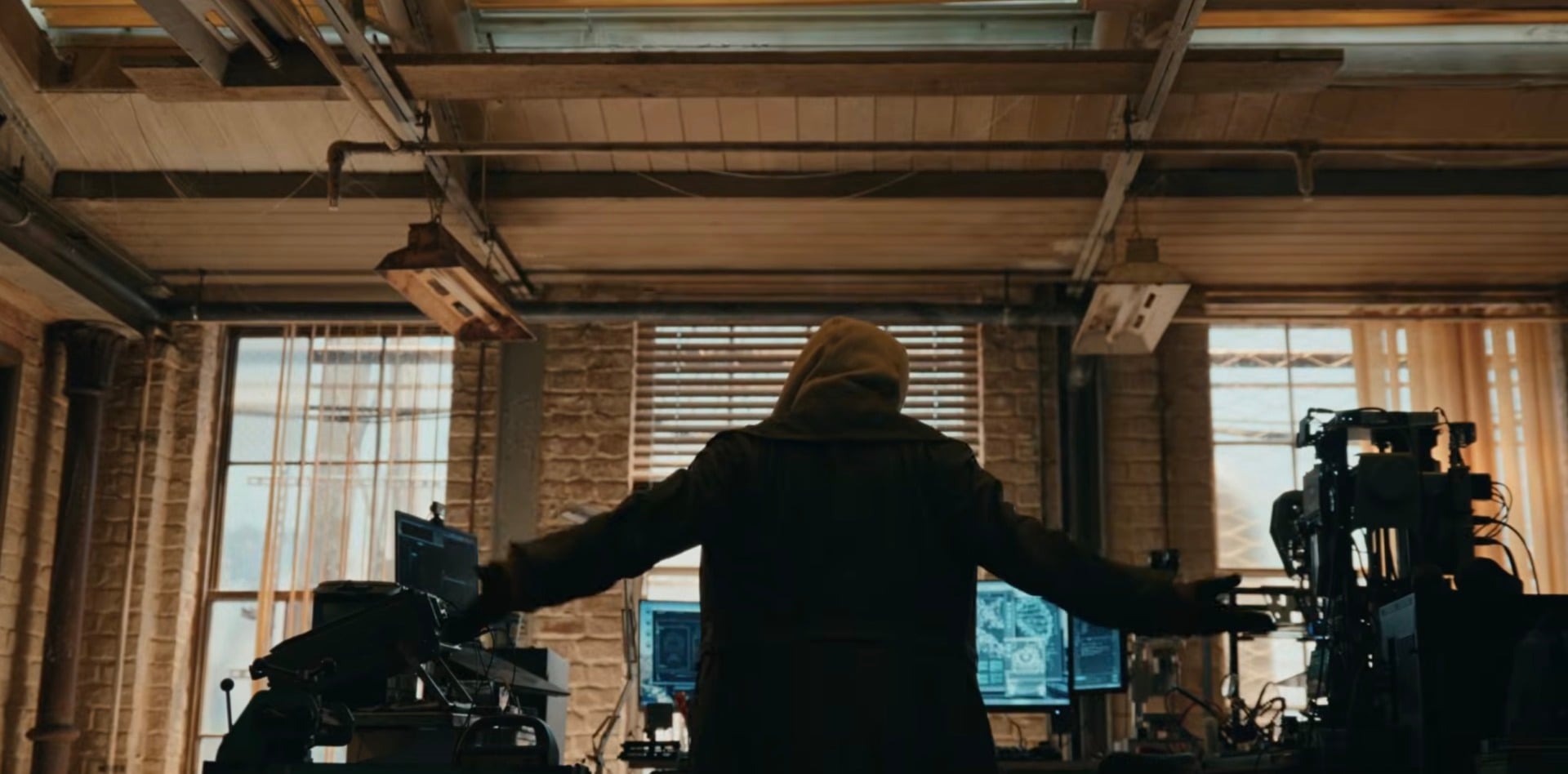
You remember a helicopter scene where Jean’s jump radius is discussed. How did Jean get to MJ before Peter?
Jean’s sister, Sara, gives an offhand rule: you can return to the beginning. That’s the movie leaving a loophole. If Jean can reset to a prior anchor point, she can arrive at MJ’s more quickly from a different vector.
Mechanically, that’s time/subjective rewinding rather than teleportation. It’s a power designed to be narratively convenient — and it sells Sadie Sink as both threat and savior.
You see Jean on a bus with autumn trees. Where does Jean Grey go at the end?
The foliage reads like upstate New York. Myers, Westchester, even a hint of a campus that could be a school for gifted kids — the shot is classic seed-planting.
Call it a breadcrumb dropped for Professor X, Cerebro talk, or an eventual X-Men titling. It’s also where Marvel’s marketing teams can start whisper campaigns around connections with Charles Xavier.
You notice both Jean and Sara have powers. How did Jean and her sister get powers?
The film implies early-onset manifestation: both girls changed as children. That points to heritable mutation rather than exposure to a single incident.
If Marvel Studios leans into genetics, expect mentions of mutant loci in background dialogue or Easter eggs referencing Minds of Magneto-level genealogies. For now, the sisters’ origin is a simple family scarlet thread.
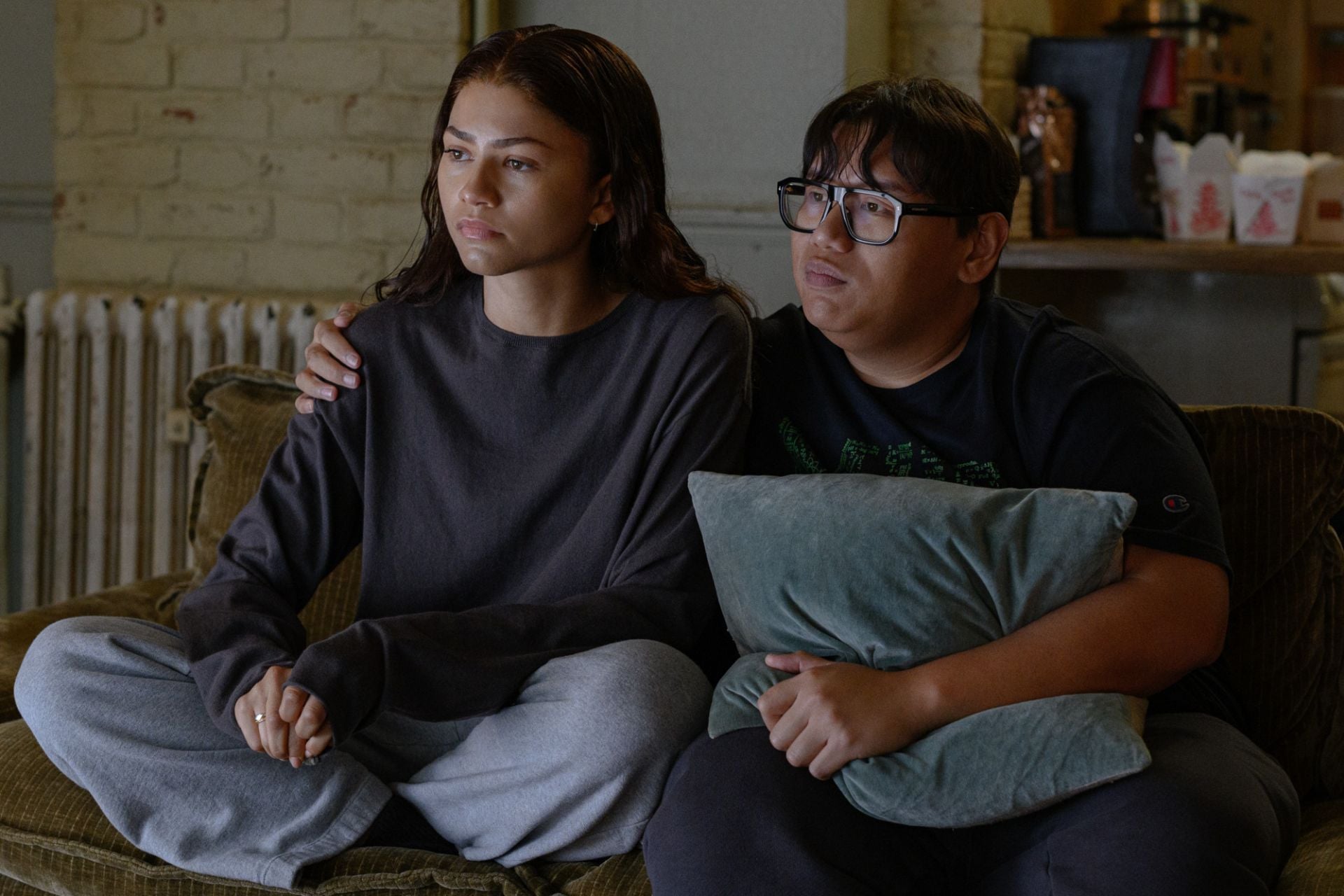
You watch MJ and Ned reading Peter’s traces. How much do Ned and MJ remember now?
The film gives small, emotional nudges: a letter reappears, a handshake sparks recognition. But those moments are gentle — not full memory rewrites.
I think what returns is pattern recognition rather than full history. Expect future scenes where fragments resurface but never a wholesale restoration unless a later plot device forces it.
You notice Ezra Bridger’s actor disappears after the party. What happened to Ezra Bridger (Eman Esfandi)?
He’s in the background, not the plot. MJ’s boyfriend becomes a prop for Peter’s jealousy arc and then fades away. That’s the movie choosing focus: Peter or the relationship, not both.
If Eman Esfandi’s presence returns, it’ll be to highlight the consequences of secrets, not to prop up a romantic triangle.
Will Peter and MJ get back together?
MJ is explicit: she’s cautious. She’s not shutting the door — she’s closing it gently and seeing if Peter knocks. That’s honest, modern romantic writing.
My read is: relationship territory opens slowly. If Marvel wants a sustained emotional engine for future films, they’ll build toward a reunion earned through shared danger and real disclosure.
You notice several MCU figures in civil life. When specifically is this on the MCU timeline?
Characters like Yelena, Punisher, and a healed Bruce Banner sit in the background with no direct tie to recent upheavals. That signals a timeframe after major multiversal events but before a new convergence.
For now, treat this as “post-everything for Tom Holland” — a quiet chapter placed to let the film establish its own beats before accelerating into crossovers.

You remember Hulk’s arm injury from earlier films. How long did it take Hulk to heal from the Infinity Gauntlet?
We see a healed Banner in the movie. The films and Disney+ shows implied months of recovery after using the Infinity Gauntlet. In-universe, healing depends on gamma physiology and medical tech — think Banner using Avengers-grade bioengineering.
From a production angle, the healed arm lets Mark Ruffalo play a reliable support role without continuing a visible injury arc.
You sense both characters are being tested. What’s next for Hulk and Punisher?
Both appear as variations on consequence: Banner as the isolated intellect, Frank as the moral outlier. The film uses them as mirrors for Peter.
Where they go next could be anywhere: a Hulk-led team spot in an Avengers slate, or Punisher cropping up in a darker, Netflix-style arc. Kevin Feige and Sony will decide based on box-office returns — and Brand New Day is already pushing $2 billion (€1.84 billion) worldwide, which will be persuasive.
You hear lines about an inhibitor chip. Will Peter’s inhibitor chip have future implications?
The film positions Peter’s tech as anti-mutation tech. That’s a narrative handoff to the X-Men era: modern MCU storytelling loves small, plausible McGuffins that scale into larger conflicts.
If a company like Damage Control or a rogue scientist reverse-engineers it, you’ve got a political and ethical story thread that could strangle an entire mutant-rights arc.
You watch the end credits and feel a tug. What’s up with the end-credits scene?
Ned’s Spidey Tracker pings in space; the studio wants us to speculate. Is it Holland’s Spider-Man? Is it the New Avengers? Both possibilities feed into future tentpoles like Doomsday or Secret Wars.
Whatever the answer, that single second is engineered for social media virality and weekly speculation shows on platforms like YouTube and X (formerly Twitter). Expect hot takes and reaction videos to proliferate.
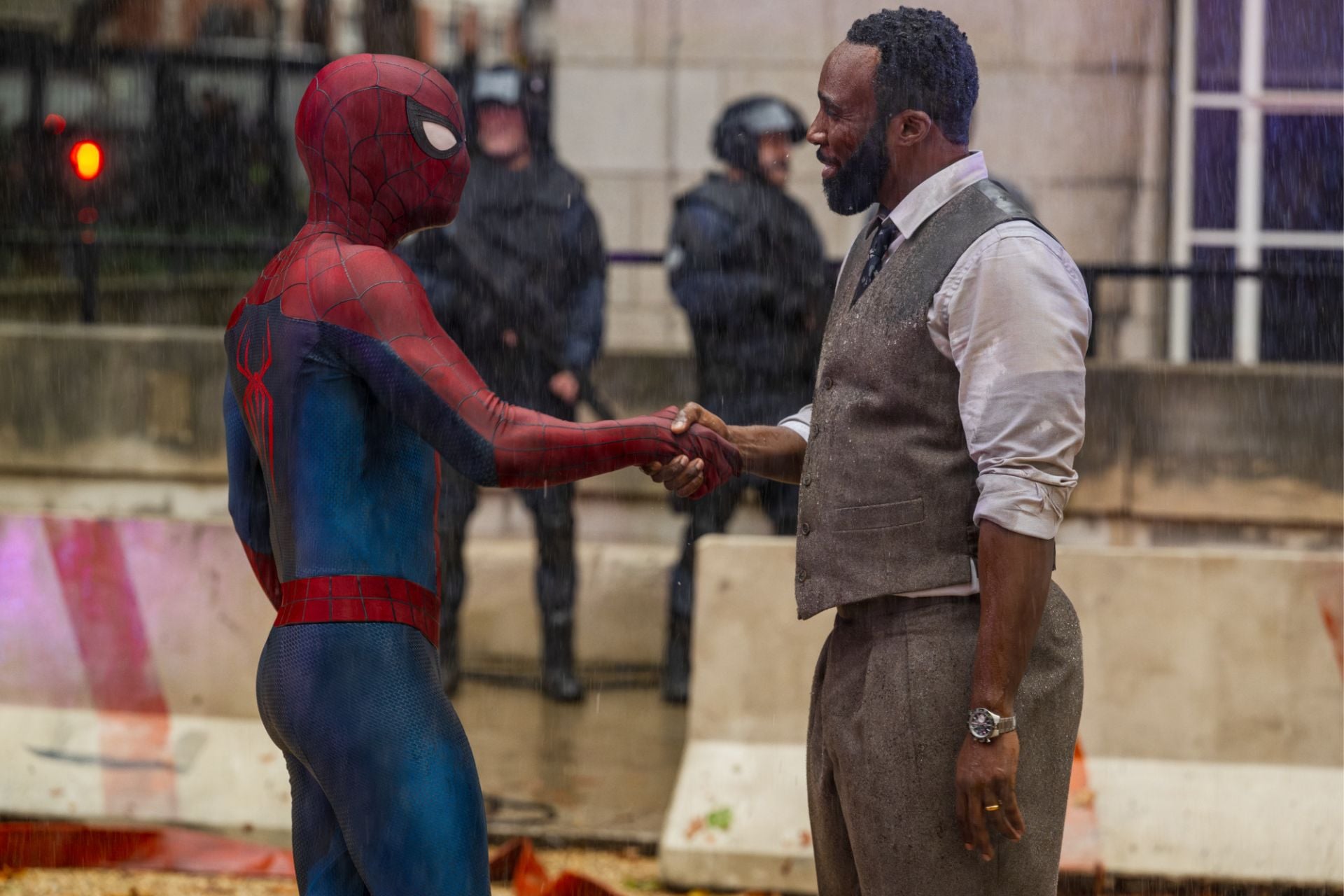
You sit through a Damage Control demo. What’s up with this machine?
Metzger claims the device traces telepathic signatures and calls it Sara Grey’s legacy. That’s an explicit Cerebro echo — a narrative olive branch toward Professor X and the Xavier mythos.
If Marvel Studios or Sony want Professor X to adopt a modern Cerebro variant, this device is the obvious bridge. It’s also the kind of prop that Marvel’s visual-effects teams will trademark in future trailers.
You see Metzger slip away. Where did Metzger go?
He escapes with the kind of shrug the film uses to say: we’ll see him again. A quiet antagonist loose in the world is the perfect teaser for a later operational threat to Peter’s tech and allies.
If Damage Control resurfaces, expect corporate espionage beats and R&D scenes in future episodes or films.
You hear Peter promise to ask for help. Who will Spider-Man first ask for help with his duties?
He says he’ll stop being a loner. The film plants Ned as the first obvious co-conspirator, but the MCU loves team layering.
Expect a short roster: Ned and MJ as emotional anchors, then cameos from street-level allies like Daredevil or an unexpected Avengers hand. Consider this a narrative invitation for crossovers that favor intimacy over spectacle.
You recall the multiverse fallout from the last trilogy. What happened in the universes of the other Peters?
The movie keeps its frame tight on Tom Holland’s Peter. Other Peters exist offscreen, and that’s deliberate restraint.
My prediction: Sony will trot out parallel Peters in future Spider-Verse properties or animated crossovers, but for now, the emotional work stays single-subject: Holland’s Peter finishing his chapter.
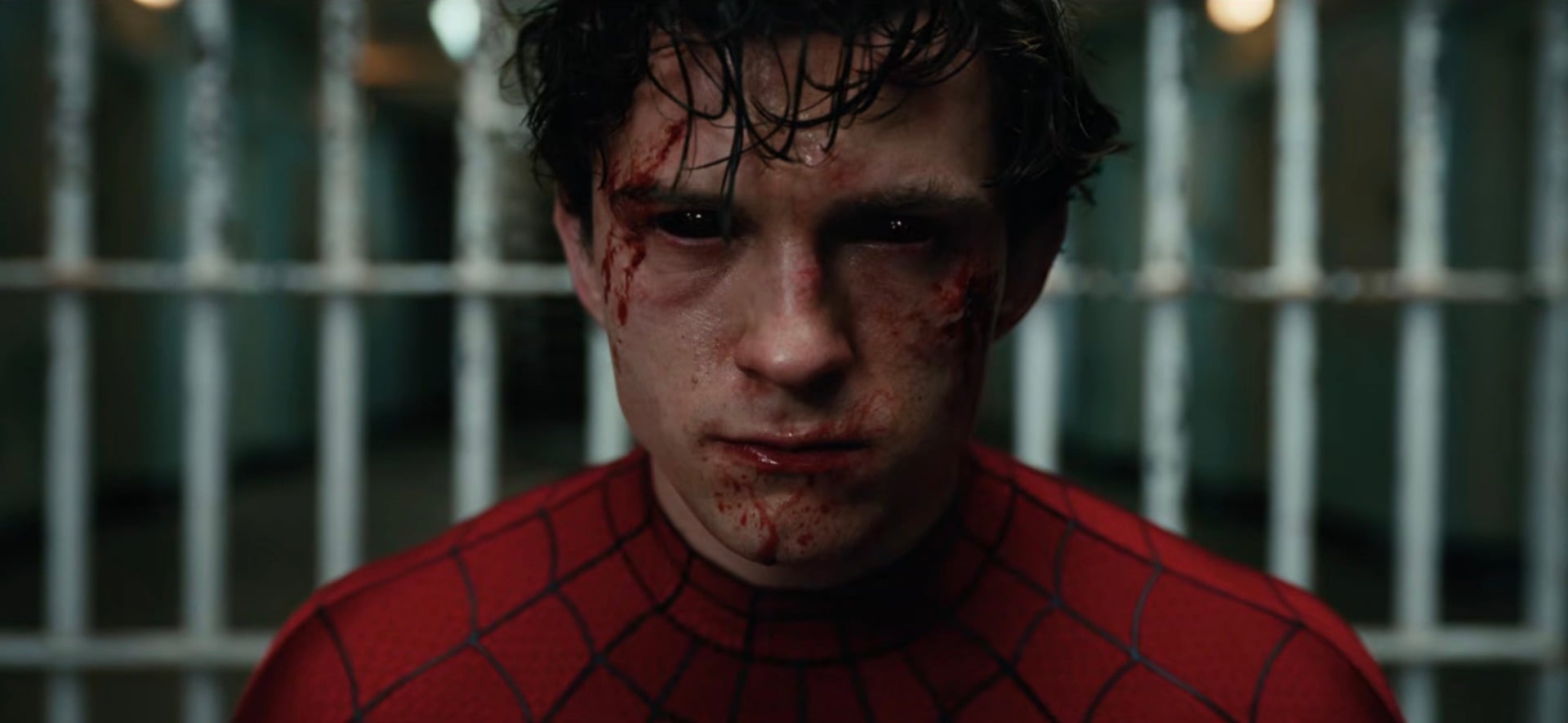
You notice Peter’s physical changes at the end. Will we see more of Peter’s new abilities?
The film gives organic webbing, stronger swings, and heightened senses a comfortable test run. Those are foundations, not limits.
Expect incremental power revelations in action sequences: new maneuvers, adaptive webbing, and tactical use of his inhibitor tech. Think of these as training sequences scored for future stakes.
You check the credits and the trade press. When will we next see Spider-Man and will he get a new film?
Holland’s next public dates are likely the new Avengers entries and possibly a solo follow-up if box office and contracts hold. Sony’s marketing and Disney’s release calendar will drive the timing.
Given the film’s momentum and its haul so far, the odds favor Tom Holland returning for another headline slot — whether that’s an Avengers installment or a fresh Spider-Man movie that leans into space travel and darker threats.
Peter’s choices here are the story’s soft pulse: he wants friends, not just allies. His mistakes are a locked safe with no combination, and Jean’s exit leaves a bruise that fades but leaves a scar. If you could write the next beat — what would you give Spider-Man to do next?