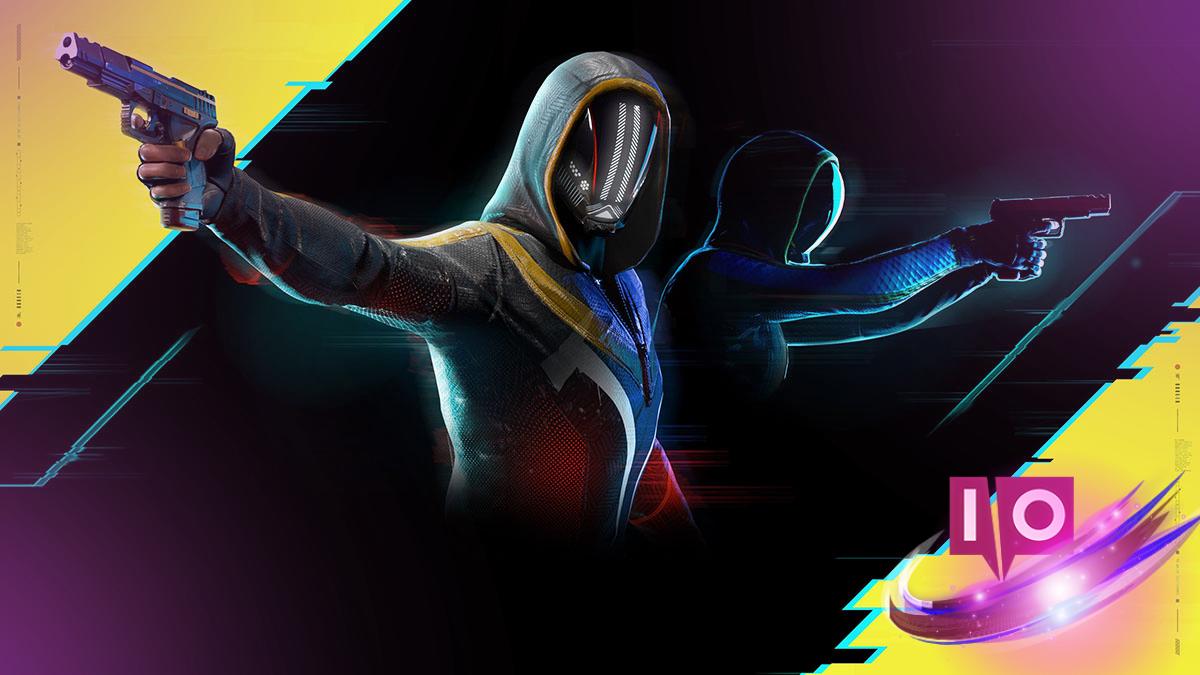
I watched a livestream where a fresh shooter blinked out mid-match. You felt the same hollow pause—the servers quiet, the dev tweets stop, the forum threads shrinking. Then Double Eleven did something that rewrote what “dead game” can mean.
I’m going to pull apart why Blindfire 1.0 fizzled, what the studio changed, and why the new move matters for anyone who makes or pays for games. Read this like I did: curious, a little skeptical, but ready to be surprised.
Player counts fell to almost nothing within months
At launch, numbers never climbed beyond a whisper. Blindfire offered a striking hook—combat fought in near-darkness, where light is ammo and visibility is a resource—but the audience never found it fast enough. You don’t need a doctorate to see the pattern: unique idea, thin marketing, and a marketplace where every release fights for a thirty-second scroll.
Is Blindfire free to play?
Yes. Blindfire: Lights Out is now free-to-play on PlayStation 5, Xbox Series X|S, and PC. That shift took a product that had dwindled into obscurity and removed the final barrier to reacquisition. Free here acts like a reset button; it doesn’t guarantee success, but it flips the conversation away from “should I buy it?” to “what is this?”
Developers stopped shipping updates and the community frayed
Threads went dark a year before the relaunch. When Double Eleven posted that they weren’t actively working on the original, many assumed the story had ended. Instead the studio quietly pivoted—new weapons, skins, achievements, and accessibility features—then released the remake without charging players.
I’ve covered relaunches, and this one reads like a case study on listening. The audio-assisted aim feature didn’t appear because it was trendy; it arrived because blind and partially-sighted players asked for competitiveness and the team answered. That’s rare. That’s the sort of attention that can mend a broken audience.
Why did Blindfire fail at launch?
Because discovery failed it more than design. The concept—combat in darkness with scarce light—was novel but easy to miss in feeds dominated by battle royales and live-service giants like Fortnite. Marketing and platform visibility matter as much as mechanics. Even Epic and Steam storms can drown good ideas when timing, PR, and platform placement don’t line up.
Making it free was a strategic gamble, not a sympathy move
Double Eleven didn’t simply cut a price tag; they reframed the value proposition. By removing the purchase barrier they invited reappraisal. If a game is a painting, making it free is like unlocking the gallery doors—the piece still needs lighting and a curator to matter again.
There are two big threads worth noting for devs and publishers. First: preservation as principle. Double Eleven said, “We are doing this because we believe games are art and they deserve to be preserved.” That line shifts how companies might handle flops: from burying to conserving. Second: accessibility. When you add features like audio-assisted aim you expand both your player base and your moral capital. Those choices echo louder than cosmetics.
Will making a game free save it?
Not on its own. Free accelerates trials, but retention needs hooks, matchmaking, social features, and a reason to stay. If discovery is poor, free only buys attention for a few sessions. If the core loop is engaging and platforms like Steam, PlayStation, or Xbox spotlight the relaunch, the chance of a real second life rises—sometimes dramatically.
Think of the relaunch as a repair job: some fixes are cosmetic, others rebuild fundamental systems. Blindfire: Lights Out patched player concerns and added accessibility, turning a niche title into something anyone can try. The metaphor is simple—one move was a lighthouse in fog; the other was a new rudder on a drifting ship.
There’s a lesson for platforms and publishers too. Treating struggling titles as salvageable assets rather than sunk costs could change the calculus on how games live or die. If relaunches like this catch on, we might see more studios choose preservation over deletion, and more players rediscover hidden designs.
Double Eleven’s gamble asks a sharper question than whether Blindfire will become massive: can the industry accept that some games deserve a second life even if they never hit blockbuster numbers? The answer may decide whether more relaunches follow, or whether most titles simply fade—so which path do you want the business to take?