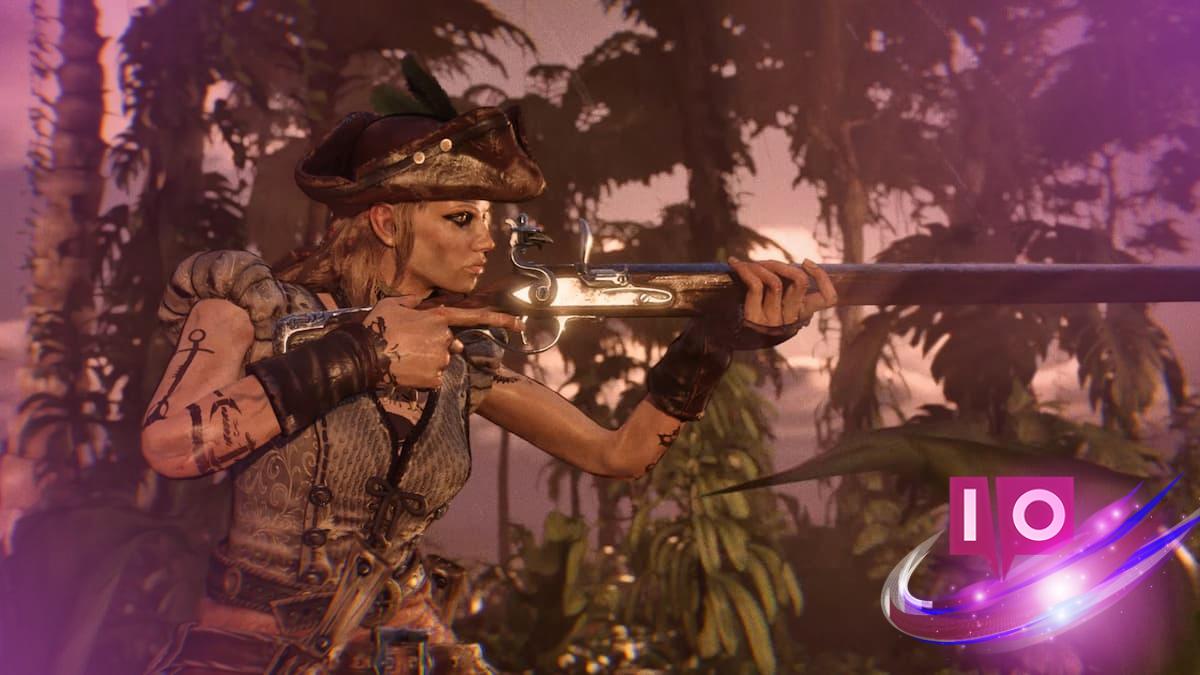
I watched the sales ticker blink past 1.7 million at 2:13 a.m. while a half-dozen messages flooded the studio Discord. You could feel the room change—relief, disbelief, a tiny celebration—and then the question: what just happened to the market? I’ll walk you through how Windrose went from unknown to unavoidable, and why that matters for the rest of 2026.
Reporters and analysts will cite charts and sample sizes; I prefer the human signal. Alinea Analytics’ April breakdown made the math plain: Windrose led that month’s sales, followed closely by Crimson Desert, with FC 26, Pragmata, and Slay the Spire 2 filling out the list. Numbers tell part of the story; the rest is how small teams are striking chords that AAA campaigns often miss.
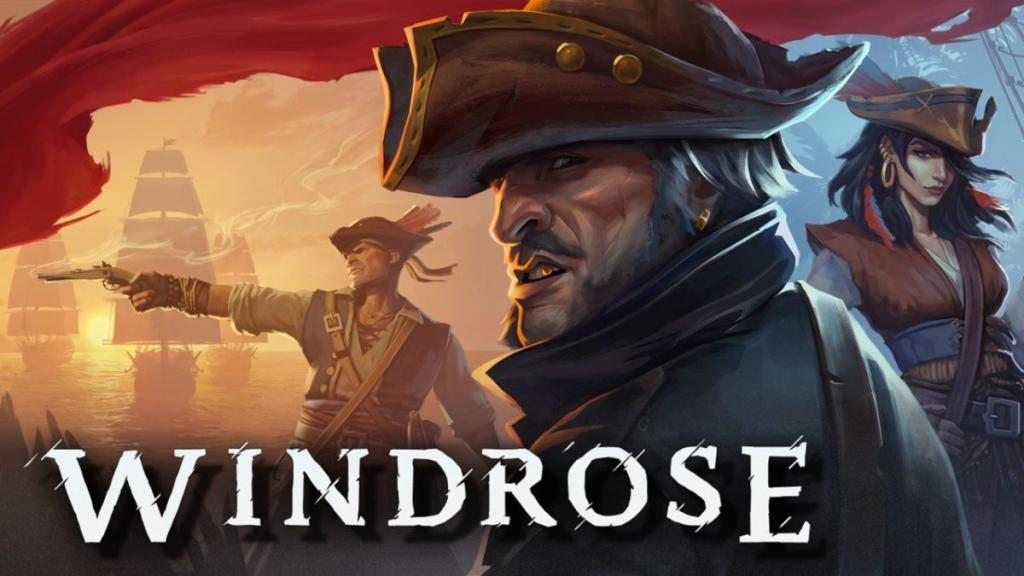
On a moonlit playtest, a three-person team found a hole in the market
They chased a pirate fantasy most studios had skirted since Assassin’s Creed: Black Flag—not just cosmetic sailing, but survival, crafting, and real oceanic systems. The result: 1.7 million shipped copies in April alone, per Alinea Analytics, and counting toward the two‑million mark.
How many copies did Windrose sell?
The April shipment figure sits at 1.7 million units. That put Windrose ahead of Crimson Desert at about 1.6 million, while FC 26 and Pragmata each hit roughly 1.4 million, and indie darling Slay the Spire 2 reached about one million. Those are shipped numbers across platforms—Steam, console storefronts, and bundled retail shipments tied to publishers like Kraken Express.
At a midnight stream, chat argued over one question: why this now?
You and I both know timing matters. The era of the big annual blockbuster is fraying; players crave fresh loops and honest systems. Indie teams are nimble, iterate in public on platforms like Steam and Discord, and catch cultural currents faster than long production cycles allow.
Why are indies selling so well in 2026?
Three of April’s five best-sellers were original IPs—something that points to player appetite for novelty. Capcom’s Pragmata did well despite following the massive success of Resident Evil Requiem, proving that major publishers can still push originals if they back them properly. Smaller studios emulate the low-friction discovery loop that games like Valheim perfected: social proof, rapid iteration, and mod-friendly systems that spread by word of mouth. In short, design and community momentum beat sheer advertising muscle.
At a developer conference, a director muttered, ‘We have to adapt’
If you work at a AAA company—or follow industry forecasts—you felt that pang. Big publishers will need to stop repeating the same franchise beats and either reinvent their series or fund new teams with faith, not just marketing budgets.
Consider how Pragmata arrived from Capcom right after a franchise hit and still carved share; that’s a model for publishers who want both security and novelty. Independent hits are not a temporary glitch; they’re a new distribution of attention that’s moving through the market like a trawler finding a treasure chest.
Can indie studios compete with AAA?
Yes—if they exploit advantages AAA often neglects: player-led discovery, platform-native communities, and precise scope. Indies convert passion into sticky mechanics; AAA converts scale into spectacle. Both can work, and often do, but 2026 is showing that small studios can take a serious slice of revenue and media attention without blockbuster budgets.
Platforms matter here: Steam’s visibility tools, Xbox Game Pass’s promotional reach, and social video on TikTok and YouTube can amplify a modest marketing spend into virality. Alinea Analytics’ numbers are a blunt instrument, but they map to behavior you see every day—streamers highlighting a small gem, friends recommending it, a storefront featuring it.
At the corner of PR and product, decisions will be made
Publishers will weigh chasing familiar franchises against funding new teams. I’ll tell you what I’d watch: teams that design for moments players can share, that sustain discovery beyond launch windows, and that listen faster than they plan. The successful indie campaigns are not accidents; they’re tight systems dressed in narrative and community hooks, and they spread like a small wildfire across dry grass.
Three facts remain simple: original IPs are selling; small studios are capturing attention; and platform dynamics favor discoverable, social-friendly designs. I’ve covered launches that fizzled and those that exploded; the difference is rarely a single thing—it’s a cluster of design, timing, and community strategy.
So tell me: will the industry embrace fresh voices and change its playbook, or will the next wave of hits teach the same lesson all over again?