He stands in a motion-capture suit under a grid of lights, breathing into a silence that will later become a roar on screens worldwide. A director watches an empty stage and tastes the future on their tongue. I felt the room tilt the first time a digital character made an audience cry.
I say this as someone who has followed the slow collision of film and games for years, and I want you to hear what Andy Serkis — the actor behind Gollum, Caesar and Kino Loyd — is declaring: the old hierarchy is collapsing.
On studio soundstages, mocap actors are now treated like film leads
Serkis told Variety in their Do actors know their lines? series that, for him, there is no split between stage, screen and interactive work. “I don’t see any difference between [games] and acting in films or on stage,” he said, reminding us that character work is character work.
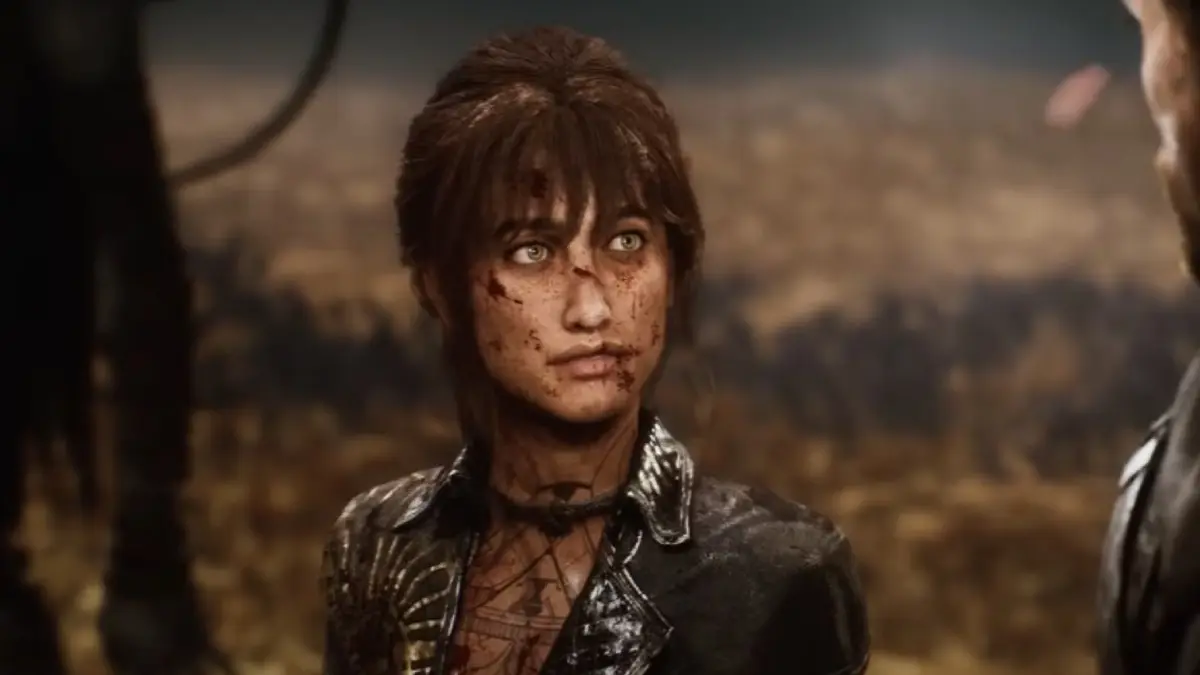
I watched that evolution firsthand — from his early days with Ninja Theory’s Heavenly Sword to recent roles like Renoir in Clair Obscur: Expedition 33. Motion capture is no longer a backstage trick; it’s an instrument of performance on par with a director’s favourite lens, and sometimes it feels like a stage lit with a thousand suns.
In boardrooms, Unreal Engine is becoming the previs tool of choice
Studios now use game engines to preview the most cinematic beats before a single prop is moved. Serkis pointed out that these tools give filmmakers the ability to see shots in motion without shooting them — a practical change with big creative consequences.
I’ve seen directors build sequences in Unreal Engine 5, then copy those frames straight into plates. The engine serves as a rehearsal room and a paint shop, and sometimes you sense the industry is balancing on a bridge of tissue-paper and steel as tech and art merge.
Are video games considered art?
Serkis’s take answers that question bluntly: if an actor approaches a character the same way, and the audience feels the same, then the label “art” fits. You don’t need a gallery wall to qualify; you need emotional craft, narrative intent and the ability to affect a viewer. Games now deliver all three.
Can acting in video games be compared to film acting?
Short answer: yes. Performance capture demands the same discipline — voice, movement, timing, emotional truth. Serkis’s path from Gollum (motion capture pioneer) to Caesar to TV work in Andor proves that the techniques cross genres.
At award shows, Hollywood is testing the waters where gamers already live
You’ve seen it: A-list faces onstage at The Game Awards, sometimes strangers to the medium, often courting a market that now generates about $200 billion (€184 billion) a year. That money draws attention — and not all attention is reverent.
I don’t blame anyone for seeing business opportunity. But when studios chase franchises like a quick loan, cultural weight can be stripped away. Games have become part of daily life; they’re quoted, memed and taught. If storytelling is the prize, then handing the microphone to people who only smell profit is a risk you and I should notice.
When storytelling changes, who decides what matters?
Serkis believes immersive narratives are coming. That’s not marketing hype — it’s a structural shift in how audiences seek meaning. You and I are in the room where that shift will be judged: by players, actors, indie creators and the companies that fund them.
Platforms matter here: Epic’s Unreal Engine 5, studios that borrowed film techniques, and publishers who bankroll budgets all shape what gets made. If you care about stories that refuse to be hollow, your attention counts.
Games are already art by the standards Serkis describes — they ask questions, demand empathy and reward risk. Will you watch as movies rent the vocabulary of games, or will you insist the medium keep its voice?