
When the shareholder meeting adjourned, the room felt thinner—like the air had been pulled out of it. I watched an activist fund fail to flip Kadokawa’s leadership and knew the skirmish had only paused. That brief silence was not relief so much as a warning.
I’m writing this because you should care about what happens when a hedge fund takes aim at a beloved game studio’s parent. You follow games, but you also follow influence: who steers IP, who sells overseas rights, and who decides whether a studio grows or cashes in. I’ll walk you through what happened, why it matters for FromSoftware and Elden Ring, and what comes next.
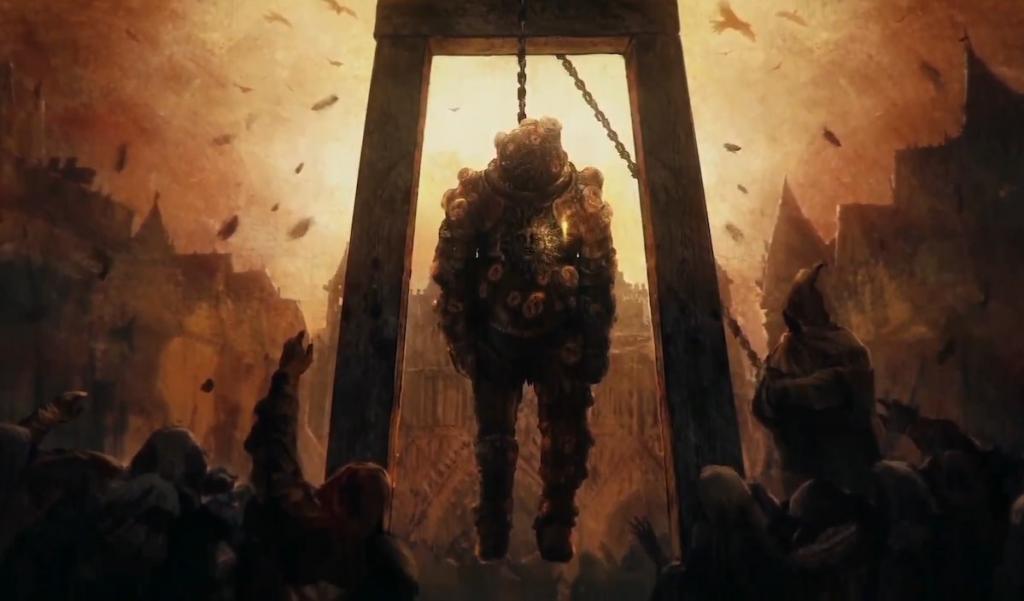
At the shareholder meeting, a bank of faces watched ballots be counted. The board kept Takeshi Natsuno as Kadokawa’s CEO until at least 2027, but the contest revealed fractures.
You probably saw the headlines: Oasis Management, Kadokawa’s largest shareholder and an activist fund, pushed to remove CEO Takeshi Natsuno and failed. Kotaku and IGN reported the outcome, and Kadokawa’s own notice confirms Natsuno will remain in place through the next general meeting in 2027. That’s a win for the incumbent, but it’s not a seal on the company’s future.
The vote was less a knockout and more a round on the ropes. I’ve watched corporate fights before; this one behaves like a pressure cooker—quiet at the edges, building toward noise. Oasis didn’t just suggest changes: it injected capital and pressure, and it has the votes to make the next fight closer.
Can a hedge fund force a CEO out of a Japanese company?
Short answer: sometimes. Japanese corporate culture used to resist activist pressure, but that resistance has softened. Funds like Oasis buy influence with shares and public campaigns, leveraging media (Kotaku, IGN) and investor meetings. If they secure enough allies—or propose board candidates with credibility—their nominations can stick.
A trader at a Tokyo desk watched Kadokawa’s filings and smelled opportunity. The dispute centers on strategy: control of FromSoftware and overseas publishing deals.
Oasis’s gripe is straightforward: Kadokawa isn’t capitalizing on FromSoftware the way Oasis thinks it should. FromSoftware’s catalog—led by Elden Ring—is a global cash engine, but Oasis says Kadokawa’s current overseas partnerships, with names such as Activision and Bandai Namco, are leaving money on the table.
That complaint is about leverage. Oasis wants more direct management of assets and a pivot toward self-publishing overseas. To you that reads like a business decision; to me it reads like a bet between steady stewardship and aggressive monetization. The fund has poured capital and rhetoric into Kadokawa and will not retreat quietly.
Expect comparisons to other corporate takeovers where a new hand turns a creative studio into a franchise factory. Oasis positions itself as a steward with ambition; I suspect the first moves, if it wins control, will favor sequels and licensing that scale. The board’s resistance today buys time for debate, not peace.
How much of Kadokawa’s earnings come from FromSoftware?
Public filings and industry reporting point to FromSoftware as a major contributor to Kadokawa’s earnings, especially after Elden Ring. Precise totals fluctuate by quarter and platform revenue streams (digital, console, PC), but the studio’s success is the main reason Oasis is agitating. If you watch investor presentations or platforms like Bloomberg and Nikkei, you’ll see the same focus: a blue-chip studio inside a diversified media firm.
An analyst scrolling market feeds noticed Oasis’s campaign gathering speed. The next vote will be tighter and the pressure will grow.
Oasis didn’t win the boardroom this round, but it amplified its investment and claims. Hedge funds like this can behave like a heat-seeking missile—finding governance weak points and fixing on them until they alter boards or policy. If Oasis continues buying shares and recruiting sympathetic directors, Kadokawa’s strategy on publishing, global distribution, and IP management could change dramatically.
You should track three practical signals: board composition changes, amendments to publishing agreements with Activision or Bandai Namco, and any public roadmap from FromSoftware that signals more sequels or remasters. Companies and platforms to watch: Kadokawa filings, FromSoftware statements, Activision Blizzard updates, Bandai Namco press, and investor coverage from Kotaku, IGN, Bloomberg, and Nikkei.
I’ve been in rooms where a single shareholder pushed a narrative that rewired a company. I don’t pretend this is only about money; culture and creative output are at stake. You care about what FromSoftware makes next—whether it’s bold new worlds or carefully timed reissues.
So what happens if Oasis plants its own CEO? You get a more aggressive commercial strategy; Kadokawa’s current management keeps creative autonomy for now. The next general meeting in 2027 is the clock on this story, but the campaign to influence public opinion and buy additional stock can change the tempo well before then.
Follow the signals, read the notices, and watch who the fund courts. I’ll be watching too—but tell me, would you prefer a studio that chases profit or one that protects risk-taking, even if it costs shareholders in the short term?