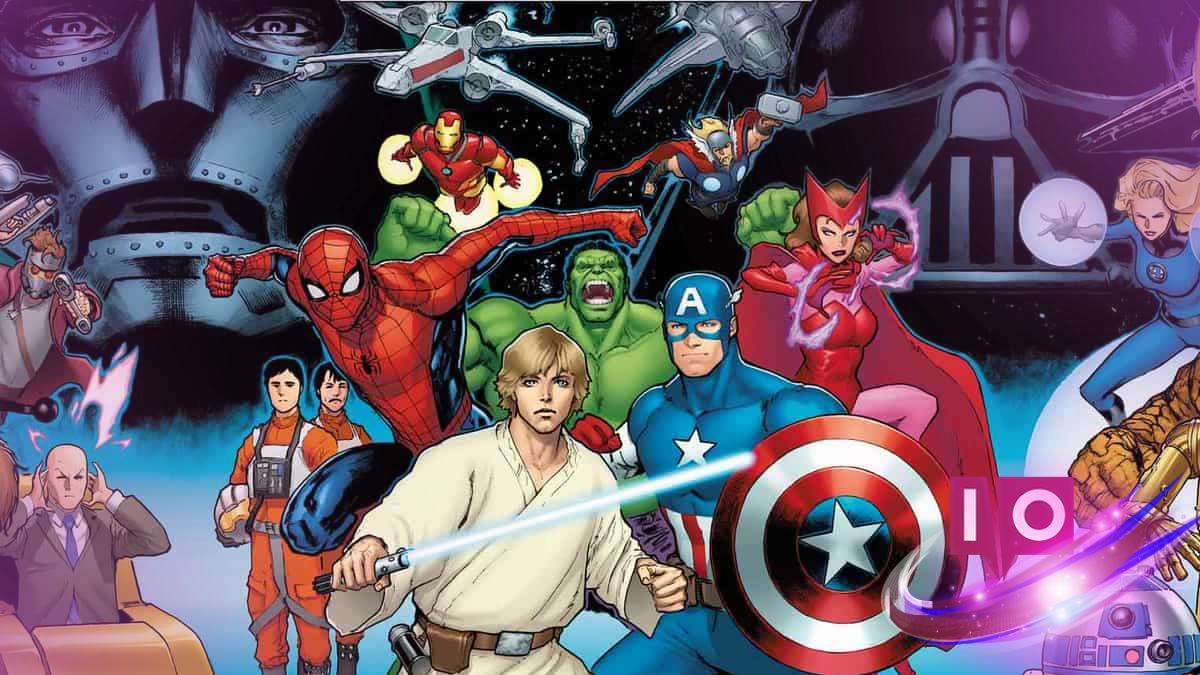
I was scrolling when a single thumbnail stopped me mid-scroll. You expect crossovers, but not villains who built their reputations in different universes standing shoulder to shoulder with Jedi. I felt a small, private alarm: the rules had changed.
I’ve tracked comic announcements long enough to smell marketing moves and creative risks. This one smells like both—an honest collision of fan wants and corporate muscle. You’ll want to read how it fits into the next few years of Marvel, Lucasfilm, and the comics market.
The announcement landed like a headline at breakfast — what Marvel and Lucasfilm actually announced
Marvel Comics and Lucasfilm are running a 2027 event called Star Wars/Marvel: Hope Assembles to mark Star Wars’s 50th anniversary. The creative mix: David Marquez, known for Uncanny X‑Men, on art, and Kevin Smith on script duties — yes, Silent Bob is also a veteran comics writer. Marvel’s editor-in-chief Stephen Wacker framed it as a long-awaited collision between two 50‑year threads of fandom.
When does Star Wars/Marvel: Hope Assembles release?
The crossover begins in January 2027. If you subscribe to Marvel Unlimited or shop on Comixology, expect early digital access and single-issue drops that tie into larger anniversary promotions by Disney and Lucasfilm.
The art and the cast are shouting to be noticed — what the key art already tells us
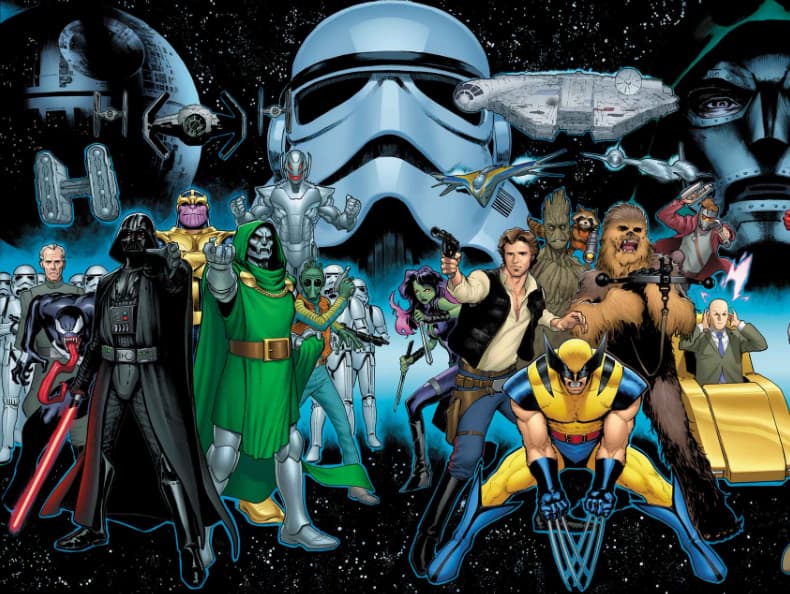
The released key art reads like a trading-card convention where every face is trying to outshout the others. You can see Doctor Doom, Ultron, Thanos, and Venom next to Darth Vader, Luke Skywalker with Spider-Man, and Captain America nearby—iconography stacked on iconography. That visual is a promise and a problem: it excites the imagination and raises questions about canon, stakes, and tonal fit.
Who is writing the Star Wars/Marvel crossover?
Kevin Smith is the credited writer. He’s been candid about growing up reading Marvel’s Star Wars comics and says this was the crossover he secretly wished for as a kid. His pop-culture voice is a calculated choice by Marvel; he brings mainstream name recognition and a comic-book résumé that includes long-form serialized work.
This feels like dropping a neon sign into a museum; one moment vintage fan memory, the next a modern comic event. The art by Marquez aims to keep the spectacle grounded while the script will have to thread character beats across corporate IP fences.
Which characters will appear in Hope Assembles?
Key art points to a very crowded guest list: classic Marvel heroes and villains mixed with iconic Star Wars figures. The exact lineup will be revealed issue-by-issue, but the implication is clear—expect genre friction and alliances that read like both childhood wish-fulfillment and strategic brand play.
Fans, platforms, and the business side are already moving — why this matters
Comic shops restock for events; streaming services coordinate anniversaries; Marvel Unlimited and Disney marketing calendars shift. You and I both know a crossover isn’t just a story—it’s a launchpad for merch, variant covers, and subscription grabs. The larger players—Disney, Lucasfilm, Marvel—aren’t only celebrating nostalgia; they’re shaping traffic across comics, streaming, and retail.
There’s also an emotional ledger. Fans who grew up with Marvel’s old Star Wars comics will feel protective. New readers will come for spectacle. That tension will sell copies—and spark debate about which universe’s rules apply when the Quinjet meets the Millennium Falcon.
Kevin Smith joked that nobody had to “Force his hand” to take the job, and Marvel’s Stephen Wacker framed it as the fulfillment of decades of dreaming. This is equal parts fan-service and high-stakes editorial experiment, played out in monthly issues and social-media soundbites.
Think of the event as a match struck between two suns and then imagine the sparks rearranging constellations—an odd but precise fit. The comics industry will watch sales, variant performance, and subscription upticks on platforms like Marvel Unlimited and Comixology to judge success.
Whether you buy single issues, collect variants, or stream the promotional content on Disney+, the next year will be an experiment in attention and taste. As a reader, you get front-row access to the arguments that will define cross-franchise storytelling for a while.
So which camp will you defend: the purity of each universe or the thrill of seeing them collide?