
I watched the final black-and-white episode with the lights low and felt the room go colder as the credits rolled. Two weeks later I learned the show was canceled, and the sudden quiet felt almost personal. You and I both know how strange it is when a voice this singular goes silent.
I’m Nic Cage’s Spider-Noir defender, and I’ll tell you why the cancellation stings — and why a game could be the happiest second life for this version of Spider-Man. You don’t need to agree with my taste; you only need to understand the opportunity executives threw away.
The series leaned into an aesthetic that trusted its audience. Amazon Prime Video offered an optional black-and-white mode, which most critics — and many viewers who cared — treated as the intended way to watch. The show was a vinyl record: grainy, warm, full of offbeat solos. Cage gave the character weight, sardonic humor, and a loneliness that felt earned.
On streaming platforms, a few episodes can decide a show’s fate
Networks and streamers measure attention in hours, not affection. Rotten Tomatoes handed the series a high score and critics praised Cage, but high critical praise is not the same as the click-through metrics executives obsess over. The series landed in the mid-to-high sevens with audiences — good, but not viral. That’s often enough to get the ax.
Why was Spider-Noir canceled?
Because prestige and metrics pull in different directions. The show earned a 90-something percent on critics’ boards, but viewership, promotional windows, and production costs are the real gatekeepers. Shows that don’t hit aggressive retention or subscriber-acquisition targets get cut, even if they’re artistically distinct.
At the intersection of comics and gaming, characters find new life
Comic IP moves fluidly between pages, screens, and controllers. I keep thinking of how Insomniac’s Marvel titles turn cinematic beats into tactile joys — not mere tie-ins, but standalone experiences that expand a franchise’s audience. Insomniac Games understands how to translate character and city into systems you can explore for hours.
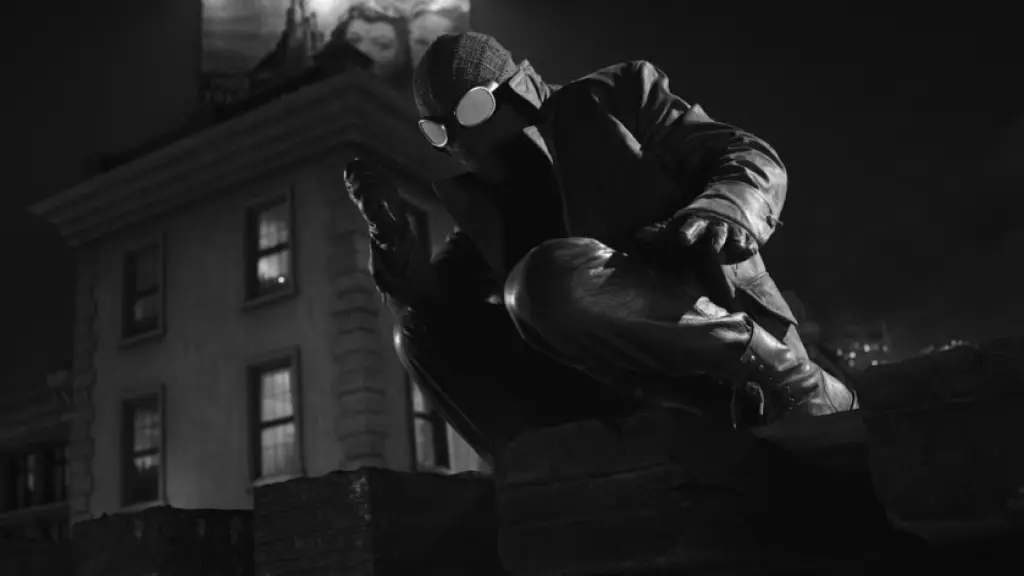
Imagine a detective game that refuses to speak in color by default — it would force atmosphere into every design choice. Cage’s voice could anchor brief monologues; environmental storytelling would carry the noir weight between the combat beats. The result would be moody, deliberate, and addictive in a different register than your average superhero romp.
Could Spider-Noir return as a game?
Yes — and on several solid grounds. Modern single-player titles like The Wolf Among Us proved that mature, narrative-driven adventures can find an audience. Flagship studio resources and a savvy publisher could turn Spider-Noir into a title that sells both on curiosity and on a proven appetite for noir detective games. Insomniac or another studio could craft something that plays like a slow-burning case file with occasional bursts of action.
There’s precedent beyond mechanics. Mouse: P.I. For Hire showed that black-and-white or 1930s-inspired aesthetics can attract families and adults simultaneously. Murdered: Soul Suspect, a decade-old cult favorite, demonstrates a market for ghostly, investigative tones — Spider-Noir could sit comfortably between those poles.
When talent meets a niche concept, unexpected wins happen
Nicolas Cage brought credibility. His involvement is an authority cue that signals risk and reward: studios notice when an A-list performer leans into an odd, stylized project. If you want to convince a publisher, name recognition helps. Cage’s presence could be framed as a marketing asset as much as an artistic one.
Will Nicolas Cage ever play Spider-Noir again?
Actors move between media now. Cage has worked in film, TV, and voice roles. A game might offer him an attractive package: shorter production windows for motion capture and voice work, the creative freedom to lean into the character’s eccentricities, and new revenue streams. If a publisher budgets sensibly and pairs him with a studio that respects noir pacing, Cage returning is plausible.
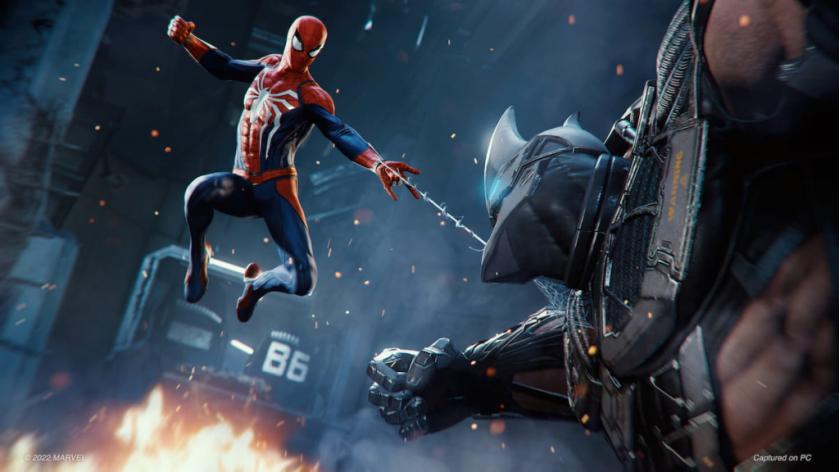
Think of a Spider-Noir game as a tight five-track EP rather than a sprawling double album. Focused, memorable, and replayable. Cage’s Spider-Noir is a single thread through a wool coat — visible, necessary, oddly comforting.
You and I both know studios chase dollars, but they also chase audiences that surprise them. If even a small, vocal group pushes for this adaptation — and if developers can sketch systems that reward patience over spectacle — Spider-Noir can climb out of cancellation and become a standout title on consoles and PC. Would you back a crowdfunding pitch or sign petitions to nudge a studio into making it real?