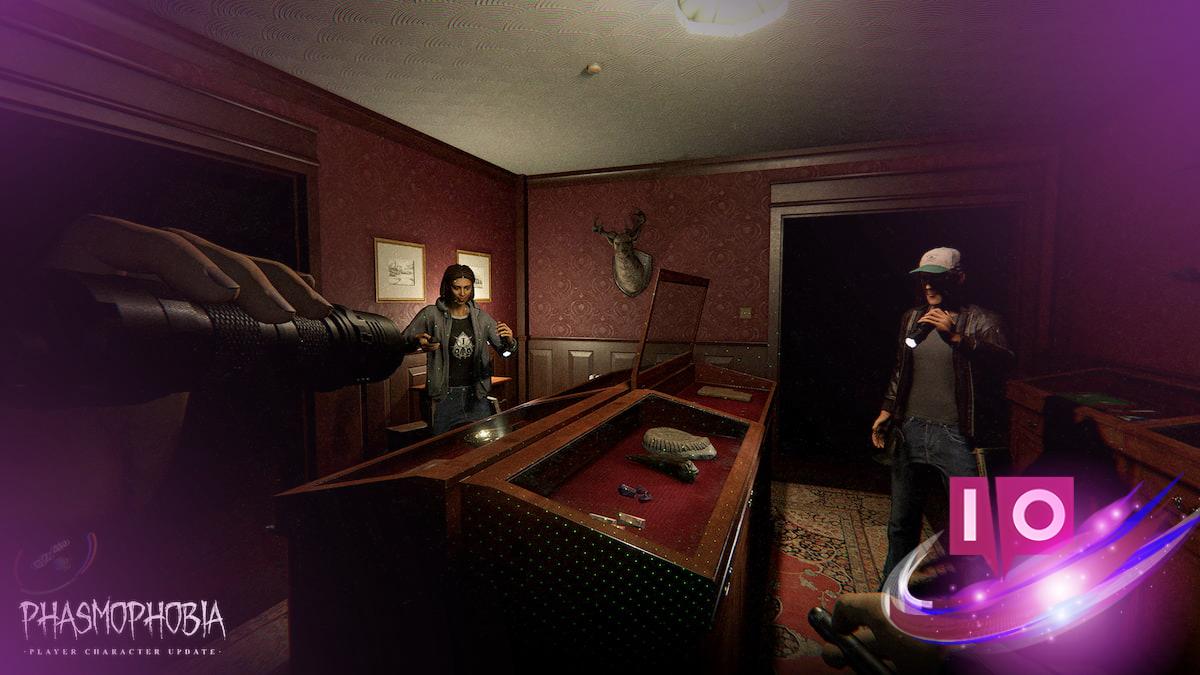
I crouched in a freezing hallway, my visible hands fumbling for the flashlight strapped to my left wrist. A teammate’s watch blinked; their voice was thin through a headset. I realized the game I thought I knew had learned how to show itself back to me.
In crowded multiplayer lobbies, avatars are the first thing you judge. Phasmophobia player character update patch notes
I’ve spent hours testing how small animation changes twist the feel of an investigation. You’ll notice this update before the ghost shows up: the cast of characters is now a presence, not a nametag. Kinetic Games has rebuilt the player model from the bones up, and Steam streams and clip creators on Twitch are already catching the most obvious moments.
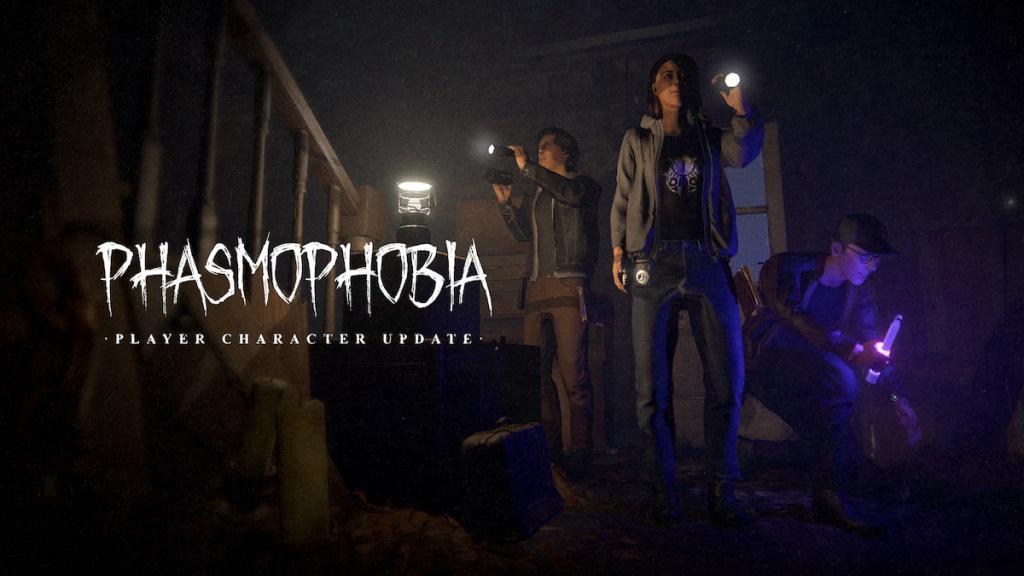
- Full avatar overhaul: The base model has been rebuilt from scratch — new proportions, faces, and hands you can see doing the work.
- 12 new character models: Pick a voice, a backstory, and a silhouette that actually reads in low light.
- Visible bodies in-game: You’re no longer a floating camera; teammates can spot your posture and what you hold at a glance.
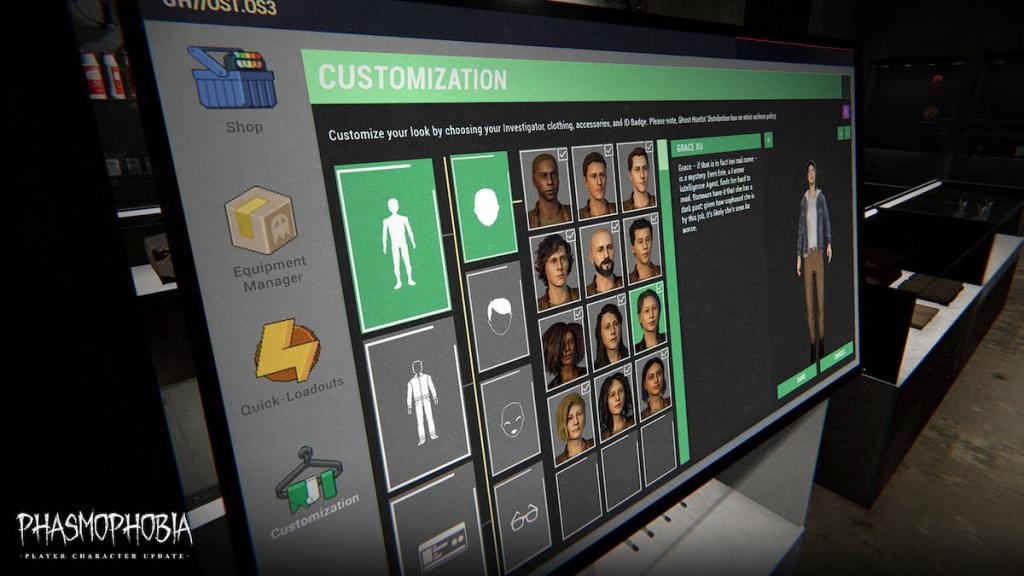
- Character customization: Hair color, clothing, accessories and more let you craft an identity that other players react to.
- Items visible on characters: Everything you hold is now visible to teammates — no more asking who has the EMF or who brought the Igniter.
- Cosmetic progression: There are additional cosmetics to earn for personal style and streamer branding.
- New interaction animations: Hands now animate for EMF readings, opening the Journal, lighting Firelights, and every other task.
- Smoother movement and posture: Less floppy limbs, more realistic rotations — your animations match the mood of the map.
- New death and revival sequences: The way your character falls and gets back up tells a short story about the hunt.
- The Journal is an item: It no longer opens as a floating UI; you’ll see the book in your hands when you consult evidence.
- Wristwatch HUD: A watch on your left wrist shows sanity, elapsed round time, and microphone status without opening a menu.
- Flashlights in the left hand: Visual consistency across player models; flashlight beam and hand are tied together.
- Physics doors: Doors now continue swinging when released, adding a little chaos to map navigation.
What is new in the Phasmophobia player character update?
You get a visible, customizable avatar package that changes how you play and how your team coordinates. Instead of invisible interactions, animations show you checking EMF meters, holding the Journal, and lighting lighters. That shift means player behavior becomes readable: who’s panicking, who’s steady, who’s baiting the ghost.
How do I customize characters and earn cosmetics?
Customization lives in the character selection menu and through in-game progression. Cosmetics are earned through challenges and achievements tied to weekly tasks and unique evidence runs. If you stream on Twitch or clip with OBS, these cosmetic moments make your content cleaner and more brandable.
Can teammates see what I’m holding now?
Yes. That change kills a lot of small friction: no more chat delays asking who has the crucifix or where the camera is. Your visible hands and carried items act as a silent checklist — which shifts verbal strategy toward callouts and position rather than inventory questions.
In late-night runs you notice the small things first. How these changes change the game
The update rewires both immersion and tactics. Animations and visible items create new social signals: a trembling hand is information; a steady, lit Firelight is confidence. For teams that use Discord or in-game voice, this tightens coordination. For solo players, the watch and journal-as-item make the interface less abstract and more tactile.
The new models act like a haunted mirror, reflecting choices and personality back at you. Doors that keep swinging add unpredictability, shifting how you approach a room; they swing like tired lungs and can give a ghost a free moment to act.
I recommend you spend one run testing only gestures: who closes doors, who flashes the light, who holds the camera up. The change feels small until you realize it rewrites micro-decisions every round. If you stream, this is content gold. If you speedrun evidence, this is friction you need to manage.
So, after you’ve adjusted to seeing your hands and watching teammates’ items, what will you do differently next time you hear the whisper at the end of the hall?