On my phone the Instagram DM badge suddenly felt smaller this week.
I opened it and remembered: Meta quietly turned off end-to-end encrypted DMs, then announced a new private AI chat that promises secrecy. You can almost hear the pitch—trust us, this one is private.
That tension—pulling away a privacy feature, then offering a new one—is the whole story you should be paying attention to.
On Meta’s blog and WhatsApp notices the company framed its new feature as a safety valve.
What is Incognito Chat and how does it work?
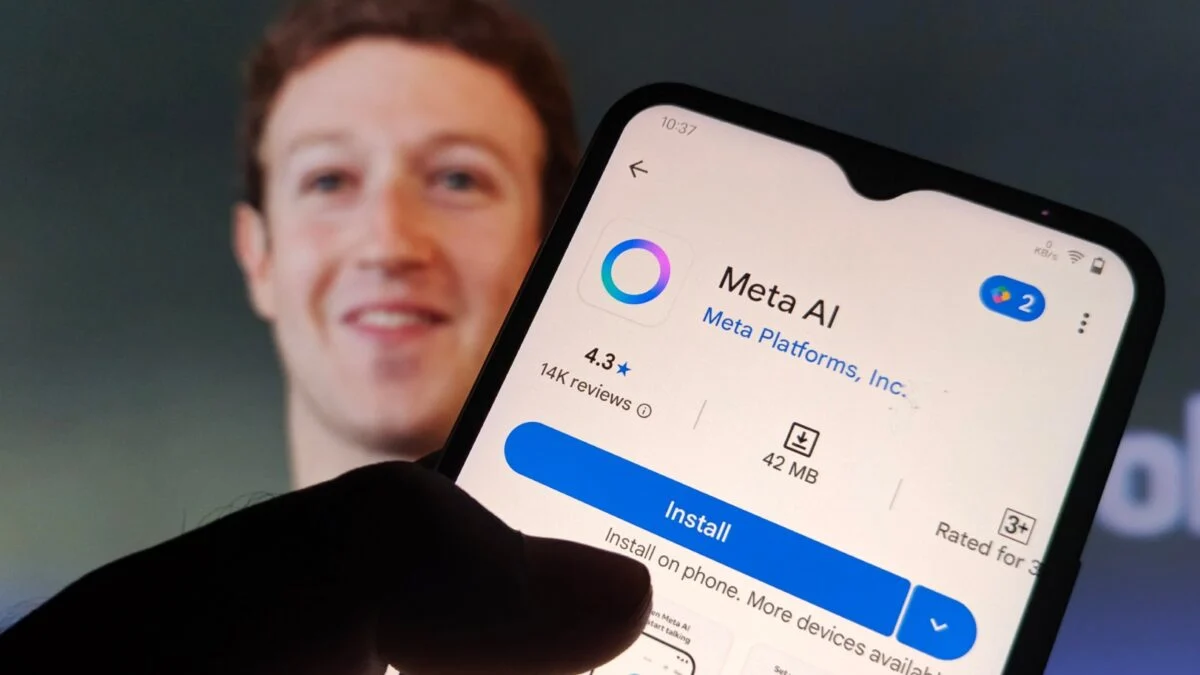
Meta says Incognito Chat creates a temporary, encrypted conversation with Meta AI using WhatsApp’s Private Processing. Messages are encrypted, processed in a secure environment Meta claims it cannot access, and they expire by default.
I’ll give you the nuts and bolts: the feature uses the same Private Processing technology Meta introduced last year to offer optional AI privacy controls. The company also teased Sidechat, which lets you consult Meta AI inside a live WhatsApp thread without interrupting the people you’re actually messaging.
The presentation is careful. It reads like a locked diary that Meta wants you to hand back with a promise.
In WhatsApp settings a “Private Processing” toggle now looks more significant than an opt-in checkbox.
Is Meta’s Incognito Chat really private?
Meta’s copy is blunt: “no one — not even Meta — can read your conversations.” That’s a clear authority cue, but you should treat it like any privacy claim from a company that also runs ad platforms and collects large amounts of metadata.
There are honest technical possibilities behind the claim: secure enclaves, ephemeral state and local processing can restrict access. But marketing language isn’t the same as verifiable guarantees. I want you to ask: who audits the environment, what metadata remains, and under what legal or safety exceptions might access be restored?
Promises framed this way can feel like a magician’s sleight of hand—clever, persuasive, and worth interrogating.
The Instagram help page went up with a short, factual notice about end-to-end encryption being dropped after May 8.
Why did Meta stop encrypted DMs on Instagram?
Meta’s support page and a spokesperson quoted by PCMag said the choice came down to usage: very few people had opted into end-to-end encrypted DMs. The company pointed users toward WhatsApp for E2E messaging.
If you read that through a product lens, it’s a resource allocation decision: maintaining multiple encrypted pathways across apps is expensive and complex. If you read it through a policy lens, it’s a consolidation of privacy controls into one app—WhatsApp—where Meta has already invested in Private Processing.
I’m not defending the move. I’m offering a map: fewer options for encrypted Instagram DMs, more centralization on WhatsApp, and a new selling point—Incognito Chat—right after the change.
On the company blog Meta repeats that private AI chats won’t be read and aren’t saved by default.
Can Meta read private AI chats?
Meta says no. The company also explains the feature is optional and will arrive on WhatsApp and the Meta AI app in the coming months. That’s the deadline they want you to watch.
Here’s the practical guide I’d give you: if you need airtight privacy for legal, medical, or financial reasons, treat any new feature as tentative until independent auditors, security researchers, or clear technical whitepapers confirm the guarantees. If you’re discussing everyday sensitive topics and value convenience, Incognito Chat may feel better than public feeds—but it’s not the same as a court-certified confidentiality framework.
You can choose to trust Meta, move sensitive chats to WhatsApp E2E today, or keep questions offline. Which choice will you make now that Meta wants you to trust its new promise?