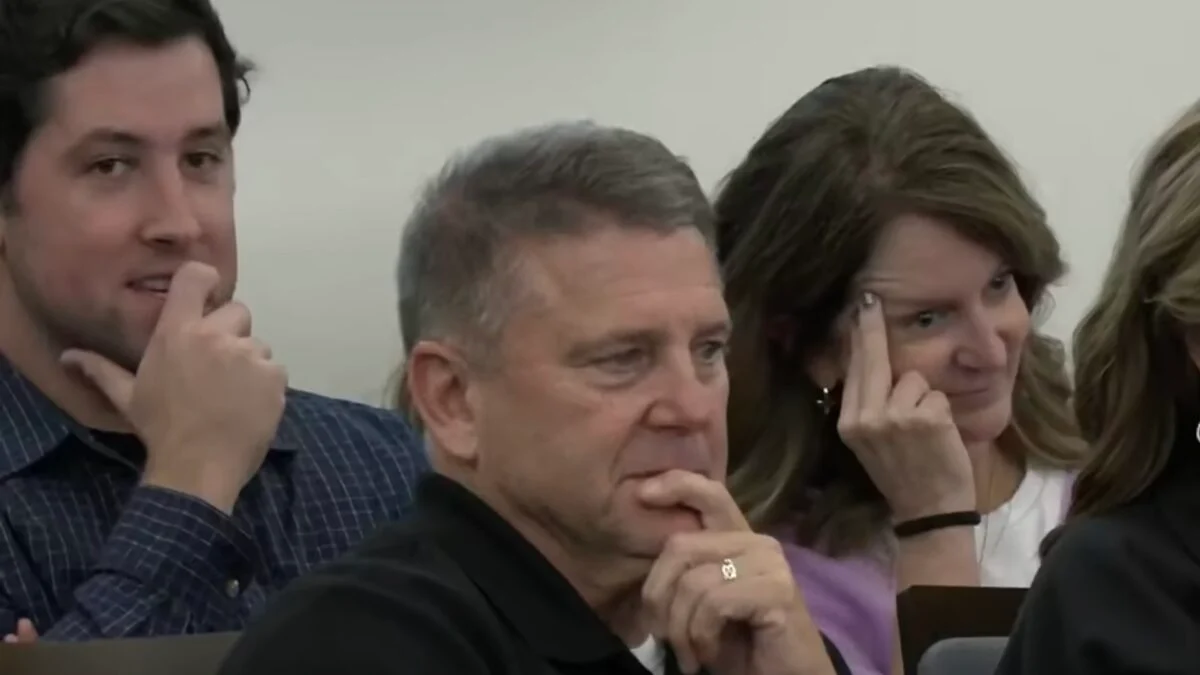
Someone cued the track and the courtroom held its breath. You could see the jury trying not to laugh, the camera pinging from face to face like it was counting heartbeats. I sat there thinking: this should feel sacred, and instead it felt strangely absurd.
I want you to follow me for a minute. I’ve watched a lot of trials, viral moments, and ruined reputations; this one sits at the messy intersection of technology and human fragility. You already know the facts: Ashley Flynn, 37, was killed earlier this year in Ohio; her former husband, Caleb Flynn, is on trial; and an AI-generated love song—purportedly written for a mistress—was played in open court.
The camera panned across the room and everyone tried to keep their face neutral
The prosecution played two audio files that sounded nothing like Caleb Flynn’s YouTube clips or his 2013 American Idol footage. TMZ and Fox News picked up the story because the recordings were billed as evidence of intent and mindset. ElevenLabs’ song tools—along with the names Suno and Udio floating in online chatter—are now part of how we narrate motive.
The courtroom became a badly tuned radio: everyone was trying to listen but the signal kept warping between grief and absurdity. For the defense, watching the jury’s masks slip was worse than an objection; it was a slow reveal of how theater and evidence can collapse into spectacle.
Can AI-generated content be used as court evidence?
Yes—but not automatically. Courts ask the same old questions: authenticity, chain of custody, and relevance. If prosecutors can link a file to a device, a text thread, or a confession—say, a message where Caleb allegedly admits he used an ElevenLabs generator—the audio can be admissible as demonstrative evidence of state of mind. Defense teams counter with experts on voice synthesis and manipulation, and judges must decide whether jurors will be misled by a fake intimacy masquerading as confession.
A text from a lover read aloud to the jury made the moment intimate and embarrassing
A message—“I tried to sing it with passion and AI took it and went a little extreme”—was read in court before the song played. You can immediately see why prosecutors would use that. It’s a micro-story of trying to control an image that slips into someone else’s hands.
That exchange ties to motive in a way a sentencing memo never could: it puts human desire, insecurity, and performative masculinity on record. Caleb’s past as an aspiring singer and his own interview clips—where he says, “When I want something, I’m gonna go after it”—feed into the narrative. Platforms like YouTube and media outlets such as TMZ turned the clips into a dossier that shaped public perception even before jurors left the room.
How do juries react to AI evidence?
Often with discomfort. Juries are told to be impartial, but you can’t erase the bodily response to hearing a voice that is almost-but-not-quite human croon about “forever.” The reaction is part legal, part theatrical: jurors will parse tone, cadence, and context, and the defense will aim straight at the technology—presenting experts to say the audio could be manufactured or altered.
The live stream filled timelines and comment threads before the verdict was in
Within hours clips were everywhere. Some viewers treated the moment as comedy; others found it obscene. The public appetite for spectacle means trials no longer belong only to the courthouse—they belong to an algorithm sorting for engagement.
What we’re watching is not just a trial but a cultural stress test. When evidence is performative—song, text, video—both legal standards and public empathy are strained. The scene in that Ohio courtroom felt like a clown car of grief: too many serious things packed into a confined space, rolling toward a judgment we still haven’t agreed how to make.
I’ll tell you plainly: this is where law and culture collide, and neither side has finished writing the handbook. If you care about how AI shapes accountability, watch how judges rule on admissibility and how expert testimony about tools like ElevenLabs is weighed. The verdict will teach us far more than any viral clip—will we learn fast enough?