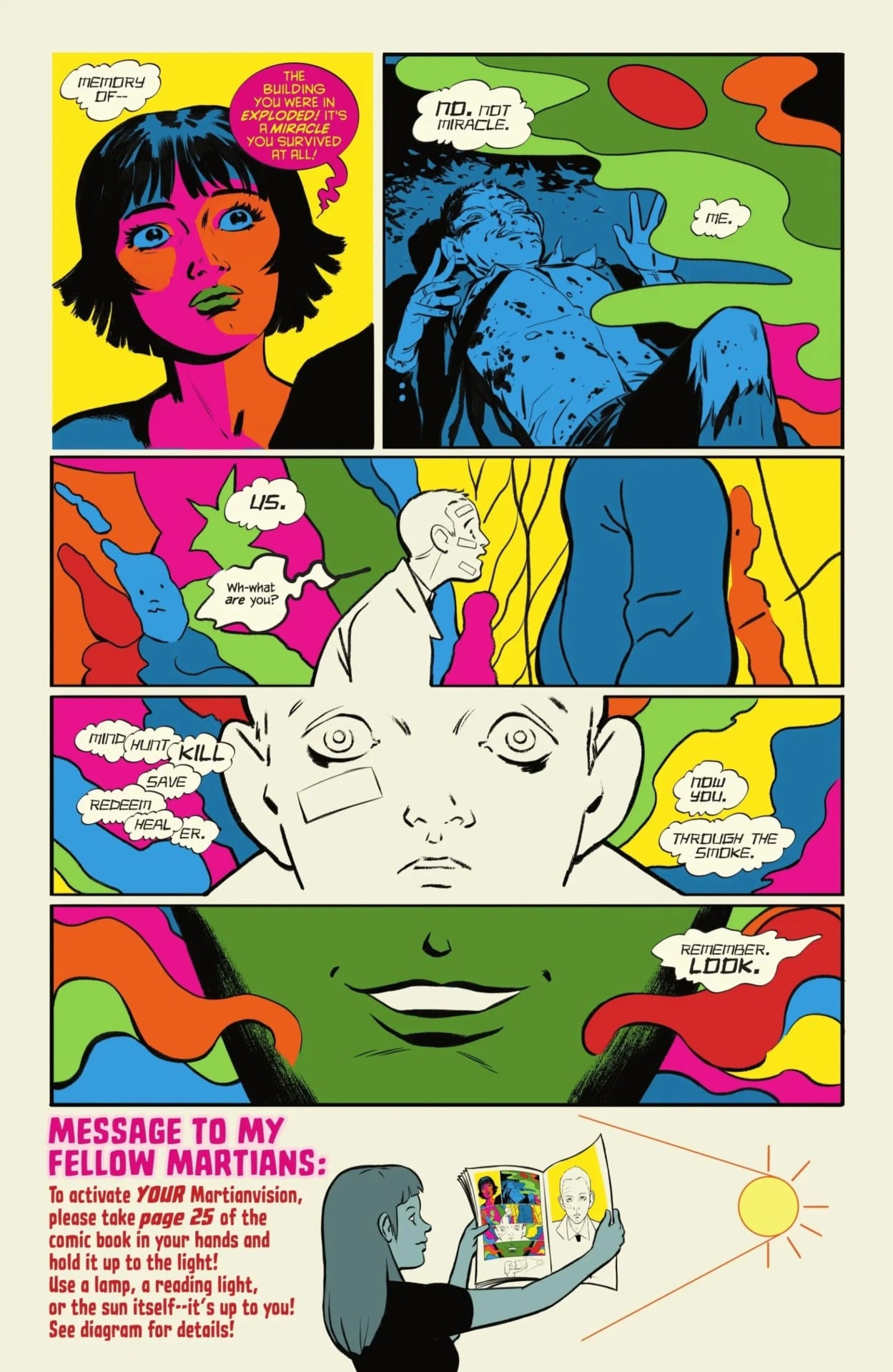
I was standing under the fluorescent lights of my local comic shop when a regular nudged me: “You have to read this one.” I opened the first issue in line and felt something in my skull shift—like someone had slid a mirror into my head and cracked it. By the time I closed it, I knew I’d been invited into a very strange conspiracy.
I’m Deniz Camp and Javier Rodriguez’s unofficial guide through the Absolute Universe, and I’ll tell you what landed: how a 13-issue run turns paranoia into pleasure, how art and ideas braid together, and why you should care even if Batman is the one all the stores keep shouting about.
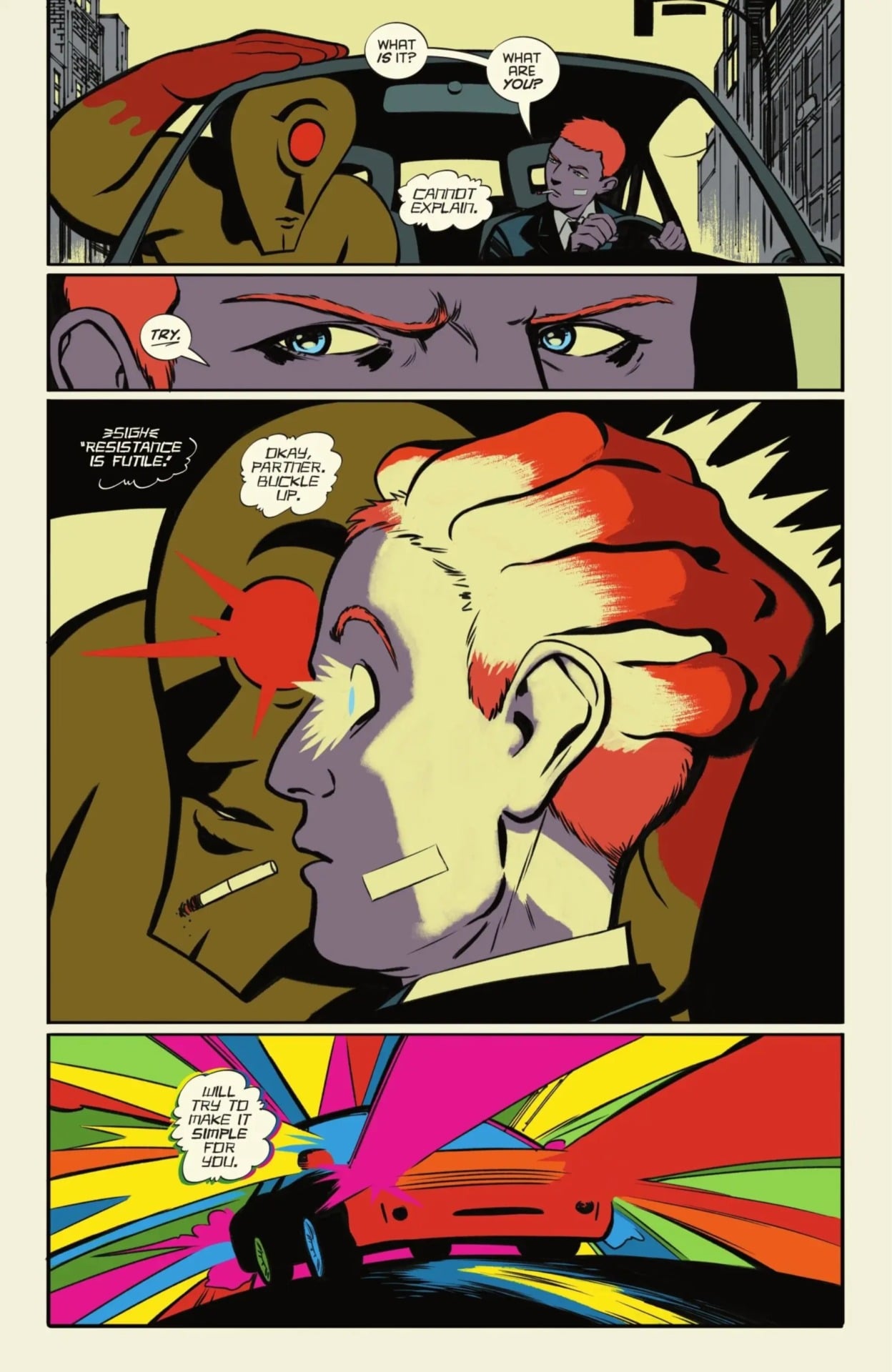
On a hot afternoon, a federal agent walks back into a coffee shop and everything tilts.
That agent is John Jones. He’s a man just trying to hold a marriage and a job together after an explosion, and then his skull starts broadcasting other people’s worst impulses. The premise sells hard: a noir procedural with an alien roommate in your head—the Martian Mind****er—that reads like a jukebox of nightmares. You don’t need a continuity chart or a back-issue checklist to get in. What Camp does is simple and savage: he gives you a human at the center and twists the world until your reflexes go wrong.
What is Absolute Martian Manhunter about?
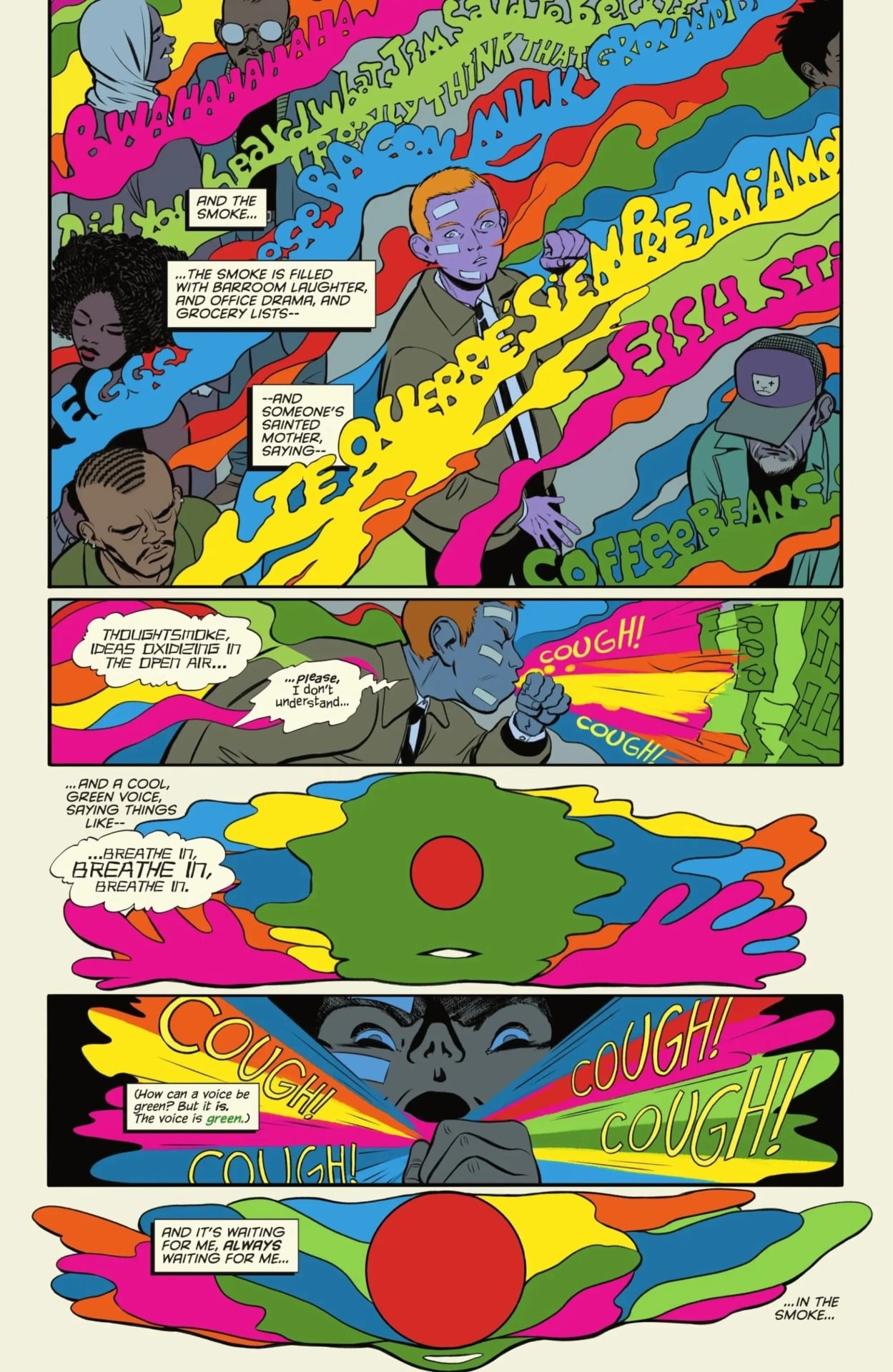
It’s a story about John Jones, a near-death experience, and an alien presence that reveals intrusive thoughts as visible, colored smoke. The plot tracks a growing external threat while interrogating identity, belonging, and social anxiety in a small Colorado town called Middleton.
At the counter, someone mentions Absolute Batman and the store nods—then someone else whispers about Manhunter.
DC’s reboot has a clear kingpin in Scott Snyder and Nick Dragotta’s Absolute Batman, and it’s easy to mistake buzz for breadth. But Camp and Rodriguez push the Absolute reset in a different direction: intimate, political, and psychedelic. The series courts big ideas—borders, belonging, state power—and then refuses to be didactic. Instead it stages small, vicious set pieces where ordinary people act on impulse and the town becomes a laboratory for social panic.
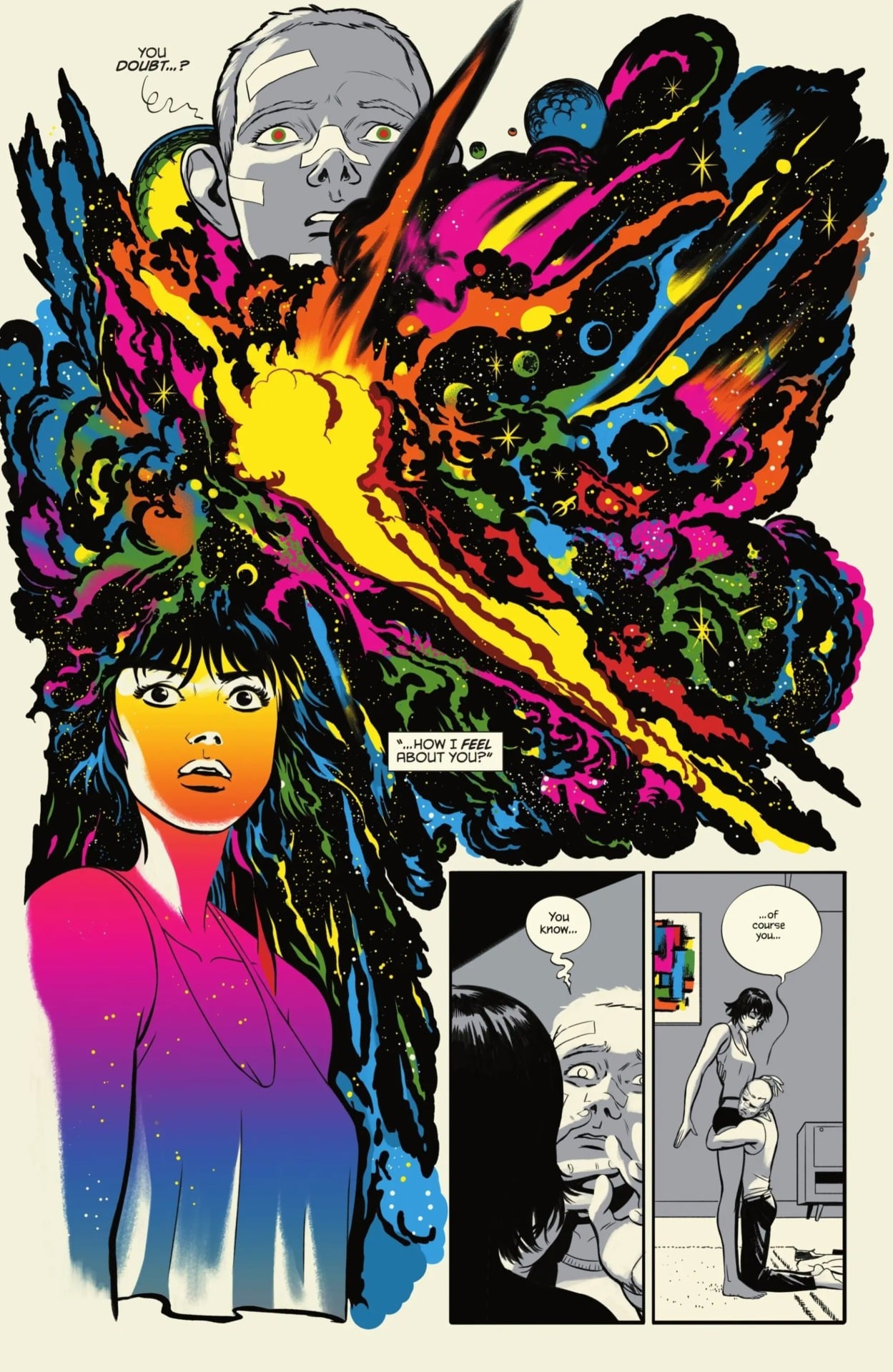
The critique lands because the visuals refuse to be neutral. Javier Rodriguez’s layouts are synesthetic: speech becomes color, thought becomes vapor, and panels move like sound. He borrows the sensibility of underground comics and marries it to mainstream scale; you get high-concept art that still reads on a subway bench.
Is Absolute Martian Manhunter connected to Absolute Batman?
It shares the Absolute Universe’s reset—same sandbox, different games. Expect tonal overlap and occasional cross-references, but Camp’s run stands as a self-contained 13-issue arc. Scott Snyder’s Batman is the headline act; Martian Manhunter is the strange opener that you end up thinking about all night.
On my lunch break I held a Martianvision page up to the sun and grinned like a kid.
Each issue tucks a physical trick into the back: the Martianvision overlay. Hold the page to the light and a double-exposure appears, flipping the final image into an eerie echo. That tactile moment—something print can still do better than pixels—turns a comic into a small ritual. Its interactivity is part nostalgia, part clever mechanical design, and it compounds the book’s emotional pull as you move toward the finale.
The run is short: 13 issues, self-contained, and friendly to new readers. That makes it an excellent doorway into DC’s Absolute Universe without the commitment of tracking a dozen tie-ins. If you like story-first comics with high visual ambition, you’ll find Rodriguez’s pages a revelatory ride and Camp’s script unnerving in a deliberately quiet way.
There’s another image in my head after reading: the series’ panels moving like a kaleidoscope of brainwaves, refracting public fear into private moments. That’s the trick Camp and Rodriguez pull off—big social ideas refracted through small, human fractures.
Where can I buy Absolute Martian Manhunter?
Pick your lane: DC’s online shop, Comixology (Amazon-owned), your local comic shop (use DC’s shop locator), or mainstream retailers that stock graphic novels. Issues and collected editions show up on DC’s site and at sellers like Amazon; if you prefer a brick-and-mortar hunt, ask your shop to order from their distributor.
I won’t pretend this is the only reboot worth your time—Absolute Batman will hog attention, and Scott Snyder’s run is loud for a reason—but if you want a reboot that assigns the alien a voice that is human, petty, and terrifying, this is where you start. You ready to let someone else’s thoughts color your reading experience and tell me what you find?