
I was three chapters in when the bus hit a pothole and my coffee baptized the page. You feel it too—the small, urgent hunger for more Rebecca chaos. Dark Horse’s Cyberpunk: Edgerunners Madness arrives and demands attention.
I’ll be direct with you: this isn’t a memory play or a merch-fueled detour. I’ve read prequels that exist only to name-check, but Bartosz Sztybor’s scripts and Asano’s panels turn Rebecca and Pilar’s early misfires into a compact, funny, and surprisingly generous expansion of Night City. If you loved the Netflix anime and the game’s recent renaissance, this manga gives you more than callbacks—it supplies texture.
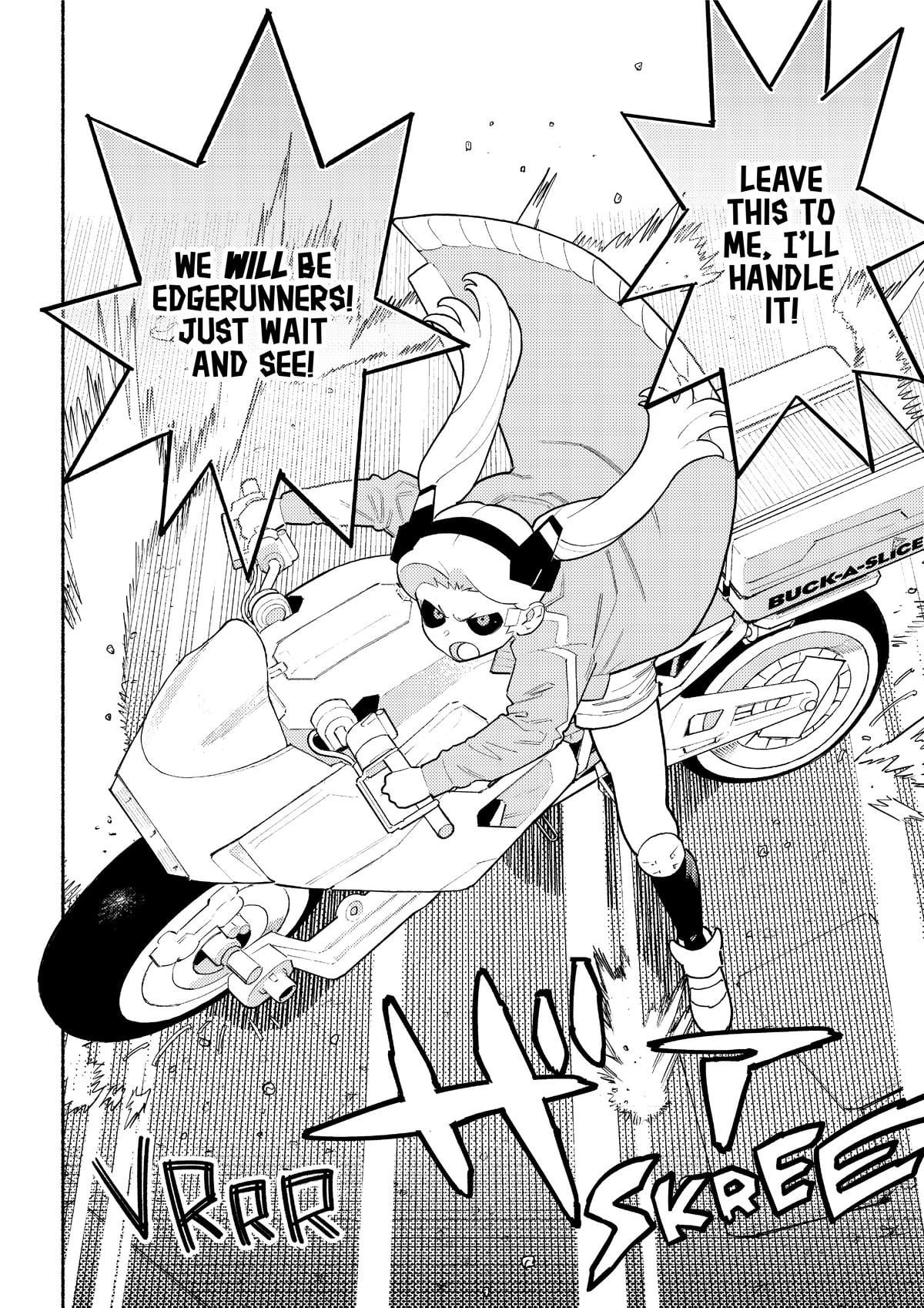
Rain slapped the window: Rebecca and Pilar start as small-time hustlers and the stakes feel immediate
You meet them before David shows up—sleeping crosswise in a car, living off scraps of someone else’s legend. That setup matters because the manga avoids the usual prequel trap of converting backstory into filler. Sztybor gives them a messy, believable hunger: the kind of ambition that makes bad plans entertaining. Their failures compound into a sly ascent—throwaway jobs, improbable escapes, and a chemistry that turns errors into identity.
This volume never reads like a straight retread of the anime; it reads like a late-night garage gig where the energy is raw, imperfect, and addictive. The script keeps humor close to violence, and it honors Rebecca’s particular anarchy while letting Pilar breathe beyond a supporting role. The result: a self-contained arc that still enriches the anime, rather than just pointing at it.
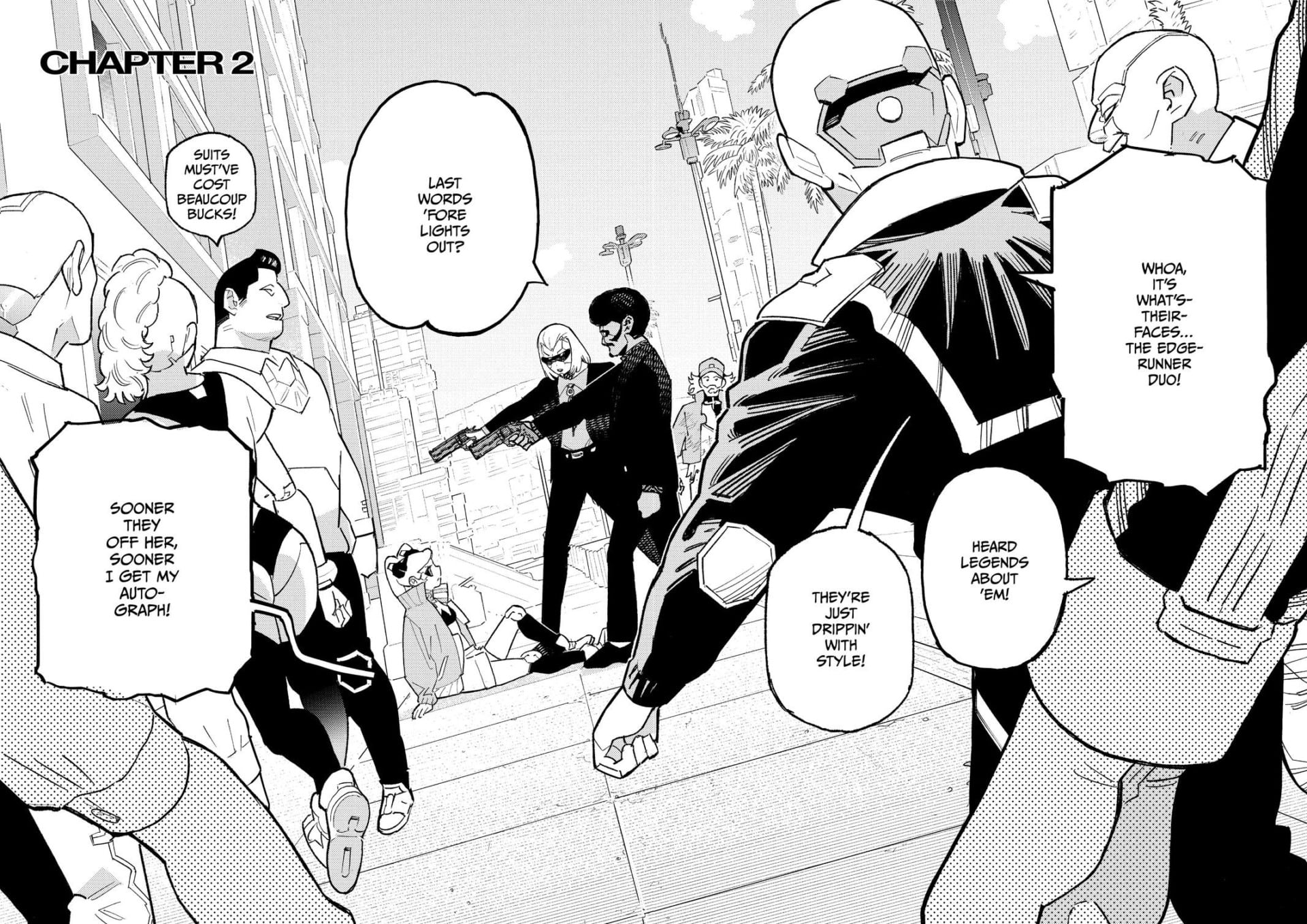
A commuter dropped his earbuds nearby: Asano’s art keeps the humor and the blood in perfect balance
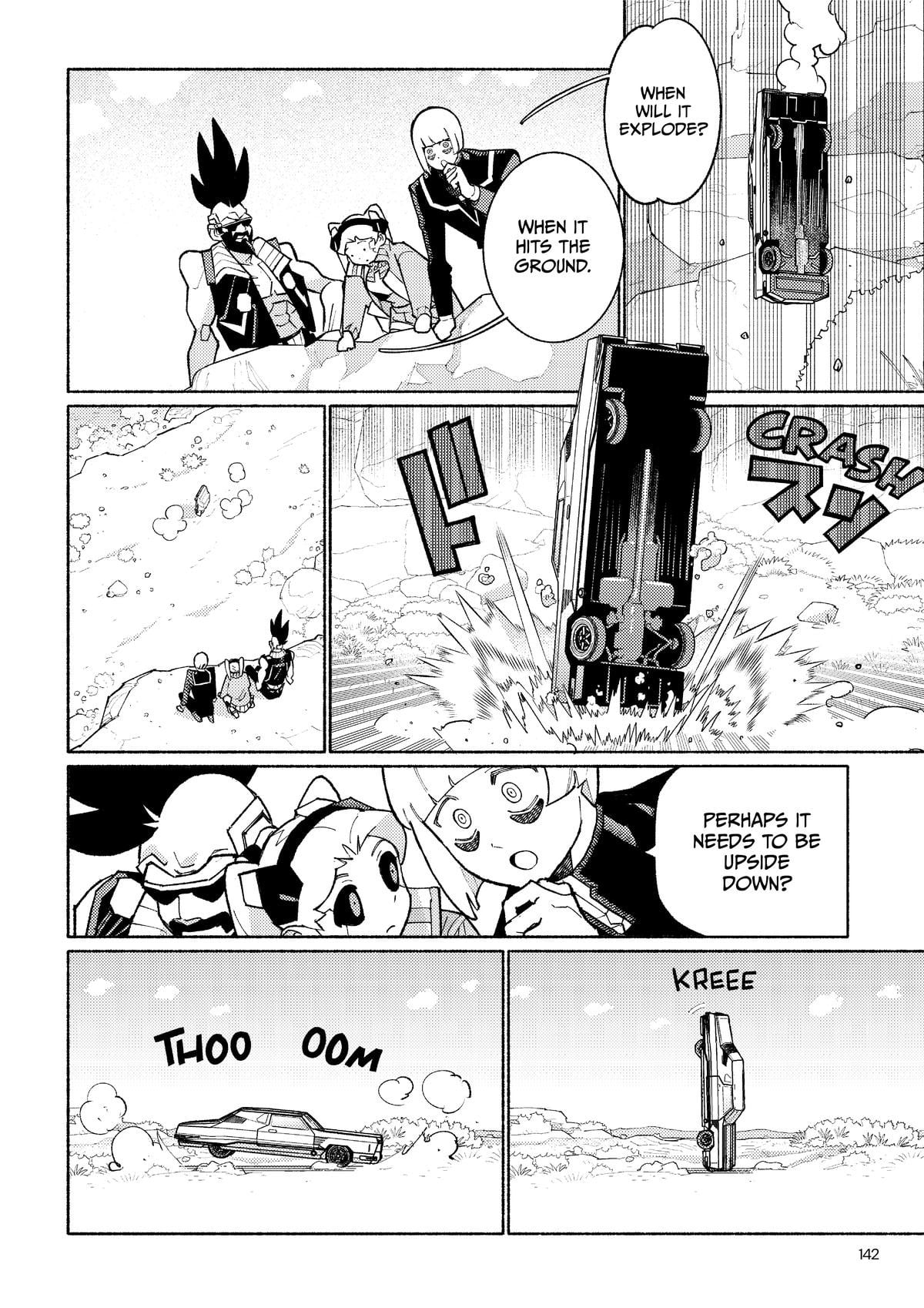
I watched people lean over to see my panel reactions. Asano’s layouts are nimble—clear in chaos and punchy in timing. Action hits with cartoony elasticity and then slams into a brutal reality; bodies dissolve into mist and the next frame sells the joke. That tonal flip is hard to pull off, but the manga does it without cheapening either end.
Asano’s character work gives Rebecca her manic impulse and makes Pilar sympathetic. The manga borrows the game’s NPC-scan flavor text and converts it into end-of-chapter profiles, which is a clever medium-specific nod to CD Projekt Red’s original design. And Dark Horse’s production keeps the pages clean and readable; if you pick up a copy at retail it’s likely priced around $14.99 (€14), which feels fair for what you get.
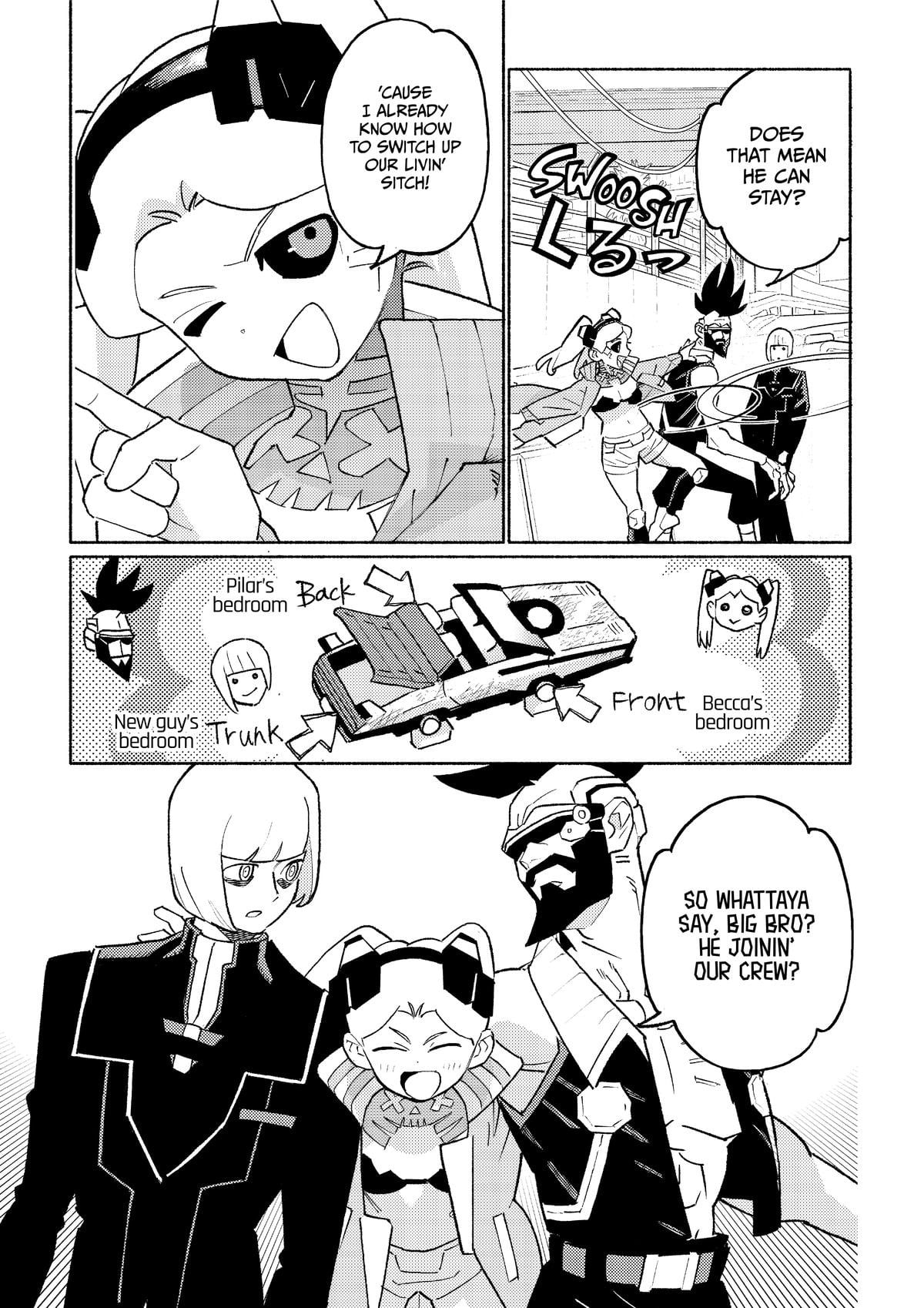
A friend texted “spoilers?” as I turned the last page: The manga signals healthy momentum for Edgerunners’ future
Your reaction to this volume will probably map onto how invested you are in Night City’s ecosystem. If you love Netflix’s anime, CD Projekt Red’s game, and Studio Trigger’s visual flourishes, you’ll find a story that both rewards and expands your attachment. The manga introduces a third member of the trio whose fractured mind—swapable personas via neural chips—becomes the engine of conflict. That idea is a sleeper: equal parts tragic and comic, and it complicates who can be trusted, who can be killed for parts, and how identity functions when memory is a commodity.
Night City is a pressure cooker, and this book shows that you can still get surprising flavors from the same ingredients. The manga doesn’t promise to replace the anime; it offers parallel oxygen. It also points toward bigger things: the second season of Edgerunners, CD Projekt Red’s continued work on Cyberpunk 2077 and its sequel, and how franchises can thread across media without collapsing into fan service.
Is Cyberpunk: Edgerunners Madness canon?
Short answer: it’s presented as an official tie-in produced in cooperation with CD Projekt Red and Dark Horse, and it sits comfortably within the anime’s continuity. Bartosz Sztybor’s script and the production credits give it authoritative lineage—this is not a fan project or an apocryphal side story.
Where can I read or buy Cyberpunk: Edgerunners Madness manga?
Dark Horse handles distribution, so check major book retailers, comic shops, and Dark Horse’s online store. Digital options exist through Dark Horse’s platforms and partners; prices hover around $14.99 (€14) for the hardcover or collected edition depending on retailer and region.
Does the manga set up Season 2 of Edgerunners?
It doesn’t announce the season, but it builds thematic and character threads that a second season—or CD Projekt Red’s future projects—could pick up. If you’re tracking Netflix, Studio Trigger, and CD Projekt Red for canonical continuity, this manga adds credible narrative weight.
I’m recommending Cyberpunk: Edgerunners Madness because it respects what made the anime sing while offering its own misfit melody—Sztybor, Asano, Dark Horse, Netflix, and CD Projekt Red all play parts that feel intentional. You’ll close the book wanting the next volume and rewatching scenes with a new appreciation for how small failures become legend; aren’t those the stories we actually want to keep reading?