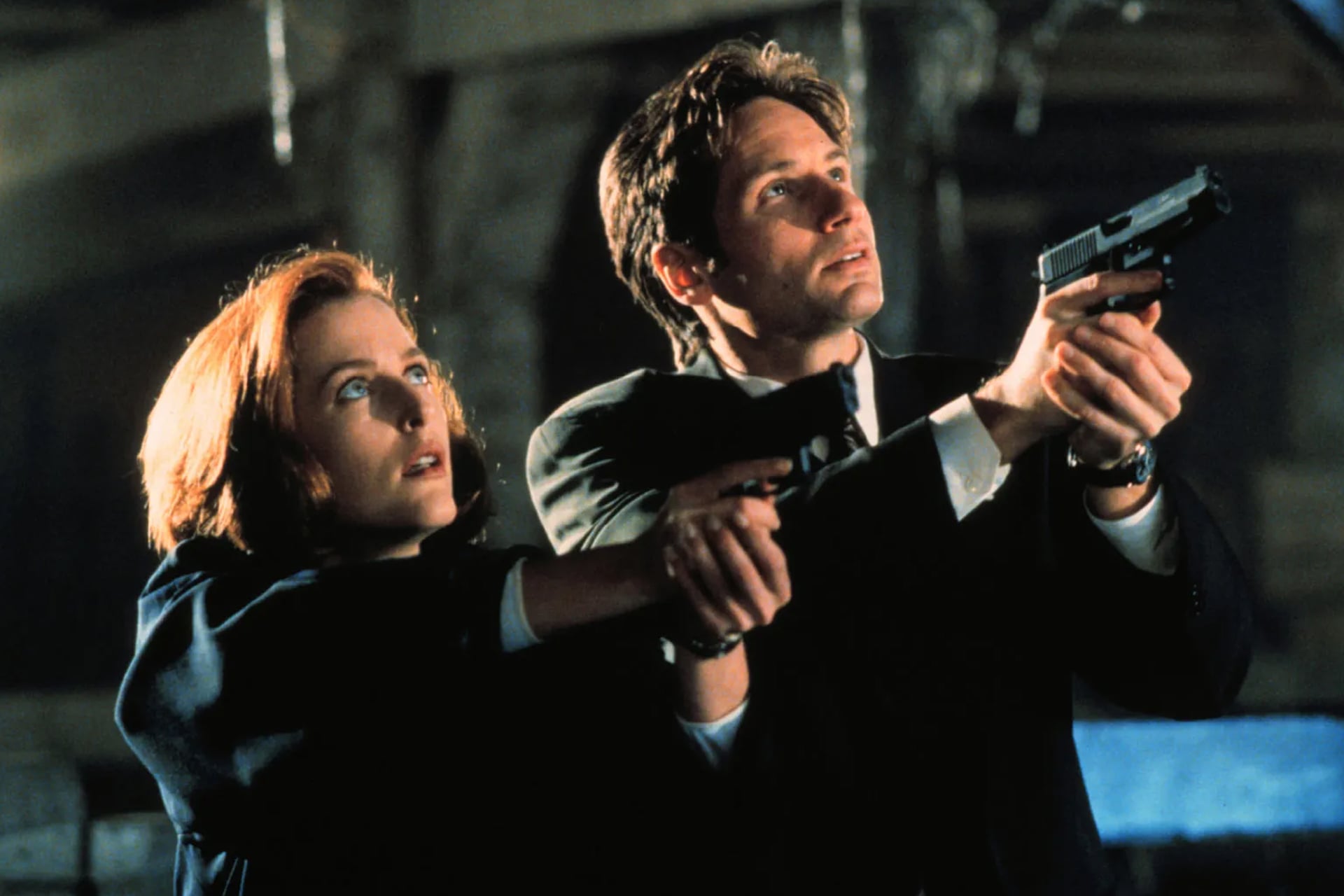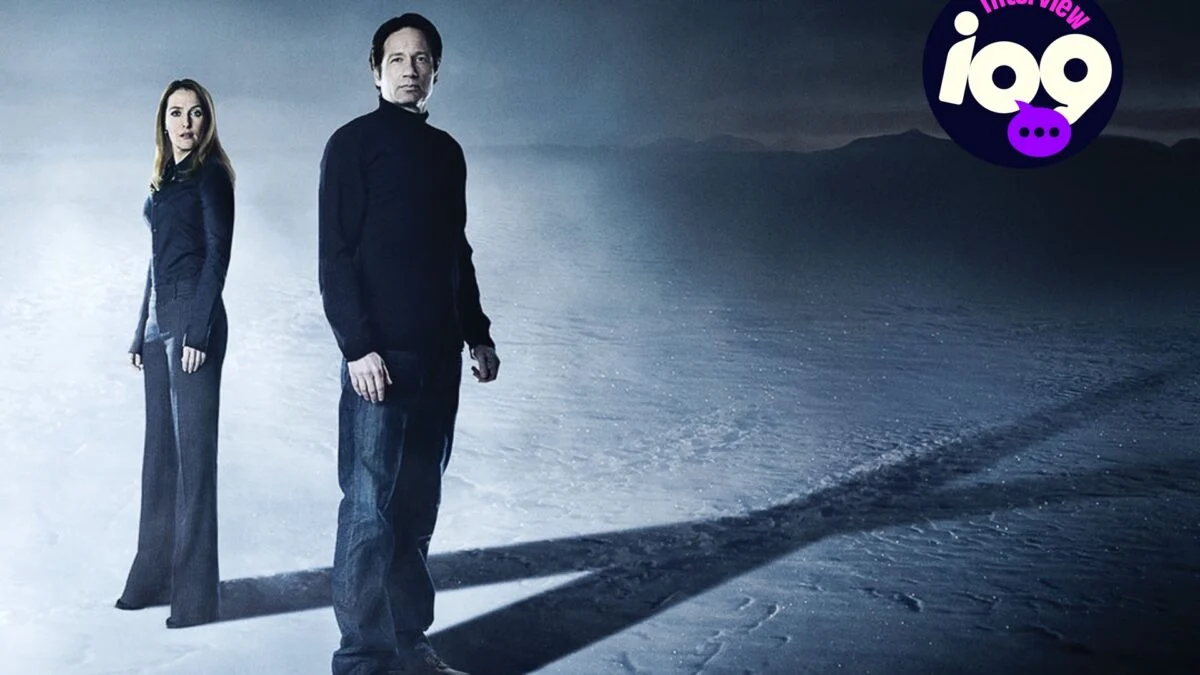
When the lights came up in that executive screening room, you could feel the room tilt. Executives called it “torture porn” and handed back a version of the movie that made it softer, safer, smaller. I kept that moment with me as I reassembled what the film was meant to scare you with.
I’m Chris Carter. You know my work: The X-Files, Mulder and Scully, the stubborn mix of faith and science that carried the show for decades. You probably also know Frank Spotnitz, David Duchovny and Gillian Anderson—people who shaped those characters—and you’ve watched the franchise mutate across TV, DVD and now streaming on Hulu and Disney+.
On a frozen lake for 50 days: How the director’s cut shifts the movie back toward fear
On location, the cast and crew were cold enough to see their breath for 50 straight days. That cold left its mark on the film’s texture and on my memory of what I wanted the movie to be: an X-Files horror piece, not a romance-heavy detour.
I pared back the Mulder–Scully romance because audiences—especially the hardcore fans—had already lived much of that arc on TV. What I put forward instead is what we originally chased: a Frankenstein mood, a medical oddity borrowed from a real Cleveland experiment about head transplants that Frank Spotnitz and I turned into an unsettling case file. The original studio edits had softened those edges. I put some of them back so the film feels more like the cold, clinical puzzle it was meant to be.
The original theatrical trim was like a wool blanket folded over a crate of fragile things—it protected, but it muffled the clatter I wanted you to hear.
In an executive screening room: Why the studio demanded cuts and what that cost the story
In that screening room, executives reacted as if they were grading a focus group script, not stewarding a franchise. Their notes were simple: make it PG-13 and remove anything that unsettled them. The ratings board then asked for more trims. TV was surprisingly freer; on television we had permission to push edges the movie format would not initially allow.
Why did Chris Carter re-edit I Want to Believe?
You remember the label: “torture porn.” The reality was less sensational but more telling—studio discomfort with a film that looked and sounded like my show. I re-edited because I wanted the movie returned to the same tonal register that made the series work: creepy, speculative, and concerned with the human cost of scientific hubris. Restoring material sharpened the horror and tightened the puzzle.
The director’s cut restored scenes, shifted music, and removed a joke about George W. Bush that would have dated the film—small surgical moves that change how the whole organism breathes. The result is leaner and more menacing.
The restored cut is like a compass re-centered after someone spun it wildly—suddenly you know which way is true.
At a fan convention and at my desk: How the real world caught up with old sci‑fi ideas
At conventions, people bring news clippings and theories. At my desk, I read newspapers and watch headlines. Both venues tell the same story: much of what was once speculative on the show is now ordinary news.
What changes are in The X-Files director’s cut?
The changes are surgical: less romance, sharper horror, some re-edits and musical swaps, and the addition of the title tag “Vrach Frankenshteyn” to foreground a Frankenstein motif. I reinstated elements that tie the narrative to ideas of reanimation and ethical blind spots in science—elements that were trimmed for the theatrical release but make the director’s cut feel like a truer X-Files story.
Cloning moved from science-fiction headline to reality after Dolly. Gene-editing, private biotech, even the casual cloning of pets became mainstream—people are now replicating dogs. Those shifts changed the cultural substrate on which we tell horror stories; what frightened us in 1993 reads differently now.
At streaming platforms and in a crowded marketplace: Why the director’s cut matters now
On Hulu and Disney+, viewers consume films in bedrooms and on buses. I didn’t make the movie with that in mind—this was shot on film, intended for the big screen—but streaming gives the director’s cut a chance to find its true audience.
When does the director’s cut release on Hulu and Disney+?
The X-Files: I Want to Believe – Vrach Frankenshteyn arrives on Disney+ and Hulu on August 14, giving you both the restored cut and the original version to compare. If you follow io9, Fox archives, or the chatter around Ryan Coogler’s rumored reboot, this release was timed to re‑engage, not to merely monetize nostalgia.
Streaming platforms like Hulu and Disney+ now act as archival spaces for reappraisals—places where the director’s original intent can be judged against studio compromise. Fans and new viewers can decide which version speaks truer to the ethos of the show.
At a table with actors and writers: Why Mulder and Scully still matter
At parties and rehearsals, Duchovny and Anderson still riff like co-conspirators. That chemistry lives at the center of the franchise.
I still think of Mulder and Scully as an idealized model of mutual respect: two people who can agree to disagree about faith and science without burning the relationship down. The show’s tonal range—from Darin Morgan’s absurdist humor to dense mythology arcs—proved fans would follow if you took risks. That trust is why revisiting a movie cut matters now: you can restore ambiguity, dread, and dark humor without pummeling the audience with needless shocks.
I’ve always read newspapers with a notepad at hand; the job never changes. The director’s cut is my answer to a moment when studio caution shortened the story I wanted to tell. If the world keeps catching up to the show, which version of the film will feel more prophetic to you?