
The lights dip. You’re still clutching your popcorn when the screen offers a quiet, impossible knock. I watched the audience hold its breath and realized Marvel wasn’t here to comfort us — it was here to provoke.
I’ve tracked MCU breadcrumb trails long enough to read a tease as a mission brief. You came for Avengers: Endgame and stayed for the detour: Endgame: Encore delivers four new nudges toward Avengers: Doomsday, and each one pulls at a different loose thread in the tapestry Kevin Feige has been stitching for years. Tickets for the re-release hovered around $15 (€14); that small cost bought a lot of new questions.

The alternate ending
In the theater, the applause for the final scene always arrives before the credits. This time the applause stuttered.
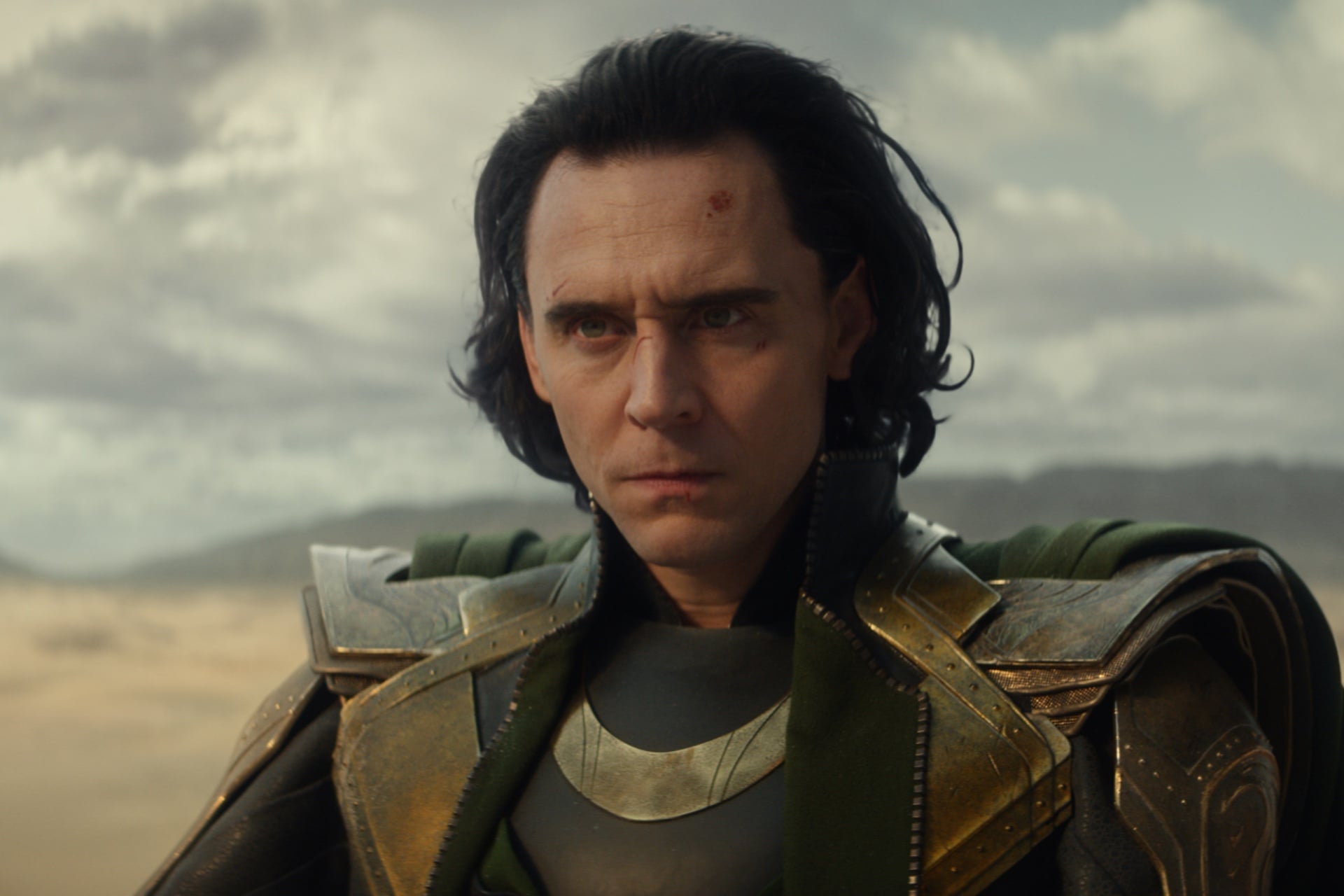
You know the moment: old Steve, the shoreline, Peggy, a dance that was meant to be the last note. Then a knock. Steve hides. Peggy opens. Loki stands in a TVA jacket and says he can help them both. The scene rewrites the closure we carried out of cinemas seven years ago, and it’s intentionally sharp.
I’ll say this plainly: Loki’s appearance rewires timelines under our feet. Loki’s knock is a splintered key in the door of time. If the Loki we saw is free to leave the duties hinted at in Loki season two, either the TVA’s endgame was temporary or this is a variant with its own agenda. Both possibilities widen the stakes for Doomsday.
What do the new Endgame scenes mean for Avengers: Doomsday?
They operate as three things at once: plot seeds, mood setters, and permission slips. Marvel Studios and Disney+ stole the final moment of catharsis to insert forward momentum. That momentum suggests timelines will be contested not just by brute force but by characters who can manipulate causality. If Steve’s quiet life was earned through another sacrifice, Doomsday becomes personal, not just apocalyptic.
Collectible Hulk
In the lobby, someone murmured the name “Banner” and heads turned. That small sound carried a lot of weight.
Security footage shows Bruce Banner, worn and honest, explaining a self-imposed exile two miles underground to manage the Hulk. Before he can elaborate, men arrive and a green scream fills the frame. Green lines trace the ground: Doctor Doom’s signature. The implication is blunt — Doom has a purpose for Banner’s science or his gamma physiology.
This plays directly into threads from Spider-Man: Brand New Day and the Jean Grey encounter where Banner’s suppression techniques were tested. Doom’s interest could be weaponization, a power-transfer, or a macabre experiment that primes the universe for incursions. It reads as one of the cleanest setup pieces for Doomsday, and it makes Banner’s arc one to watch between now and the release.

Will Doctor Doom be the main villain in Doomsday?
Everything points to Doom as the architect rather than a generic antagonist. His abduction of Banner, the mask creation montage, and the multiversal incursions all map back to his comics role as a master of both science and sorcery. Robert Downey Jr.’s Instagram post about a “new mask, same task” and Disney’s negotiations with Sony and Fox to align IP suggest a strategic push to center Doom without sidelining other marquee names.
Incursions begin
In the lobby of the TVA montage, someone tapped a console and a world disappeared from a screen. People glanced up.
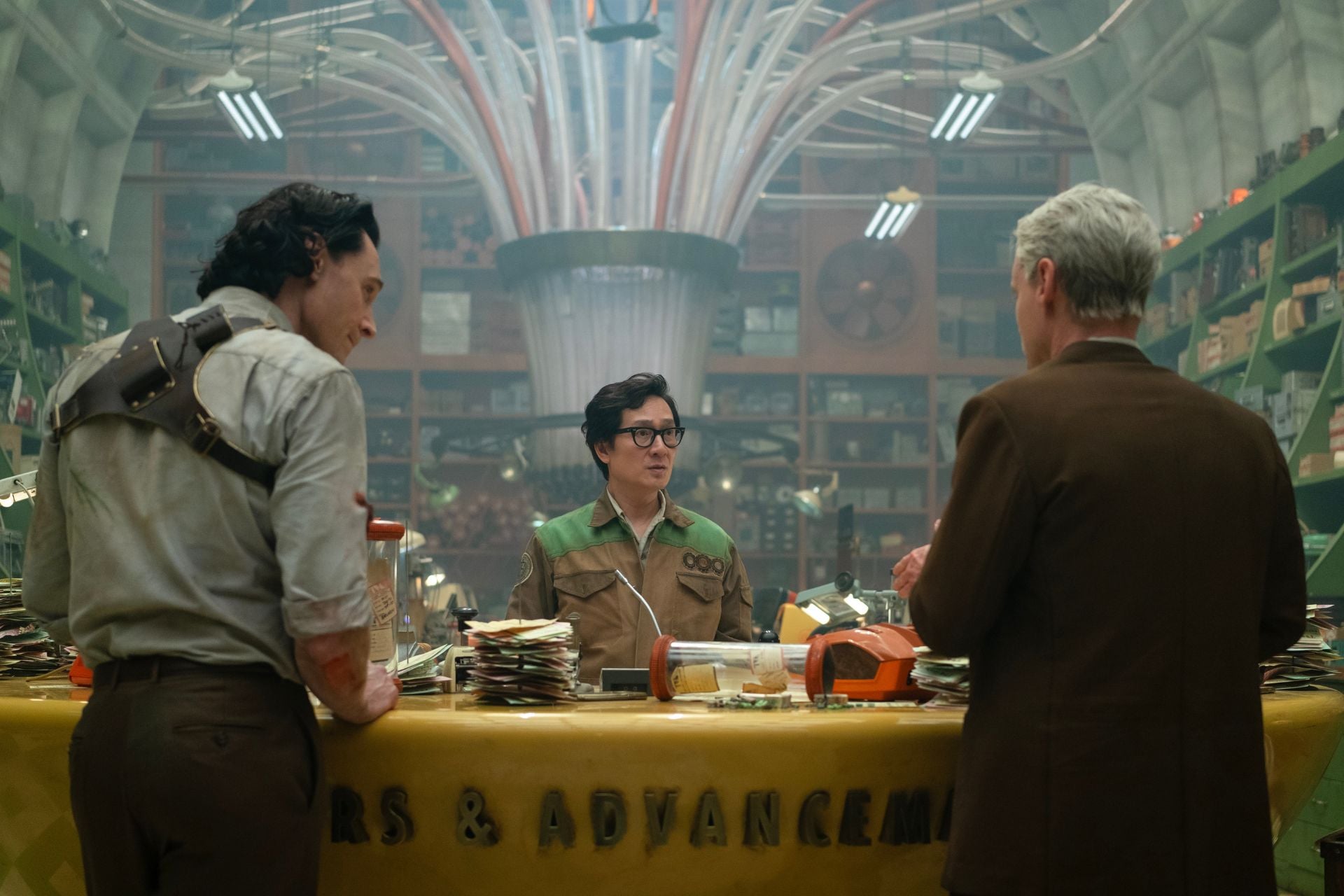
The TVA feed shows Earth-1127 and Earth-10005 launching missiles at one another, and the tally climbs to 3,000 destroyed universes. O.B. calls it a collapse. Those are incursions, a term Marvel teased in Ant-Man and the Wasp: Quantumania and Doctor Strange and the Multiverse of Madness. Clea’s recruitment of Strange in that film feels immediate now: the solution space has narrowed into a firefight among universes.
This is the scaffolding for bringing the X-Men, Fantastic Four, and Deadpool into a single war. Earth-10005 carries Fox’s X-Men legacy, and the TVA shots quietly acknowledge IP stitching across studios. The question now is practical: can the MCU balance character emotion with the kinetic spectacle of an incursion-driven war?
How do incursions affect the MCU?
Incursions raise the stakes from isolated villainy to existential geography. When universes collide, alliances must be remade, IP boundaries blur, and storytelling shifts from single-character arcs to ecosystem-level survival. That opens room for a film that is both a battle movie and a reconciliation of studio legacies.
Metal on metal
A final clank at the true end made older fans sit up in their seats. That sound has always meant something.
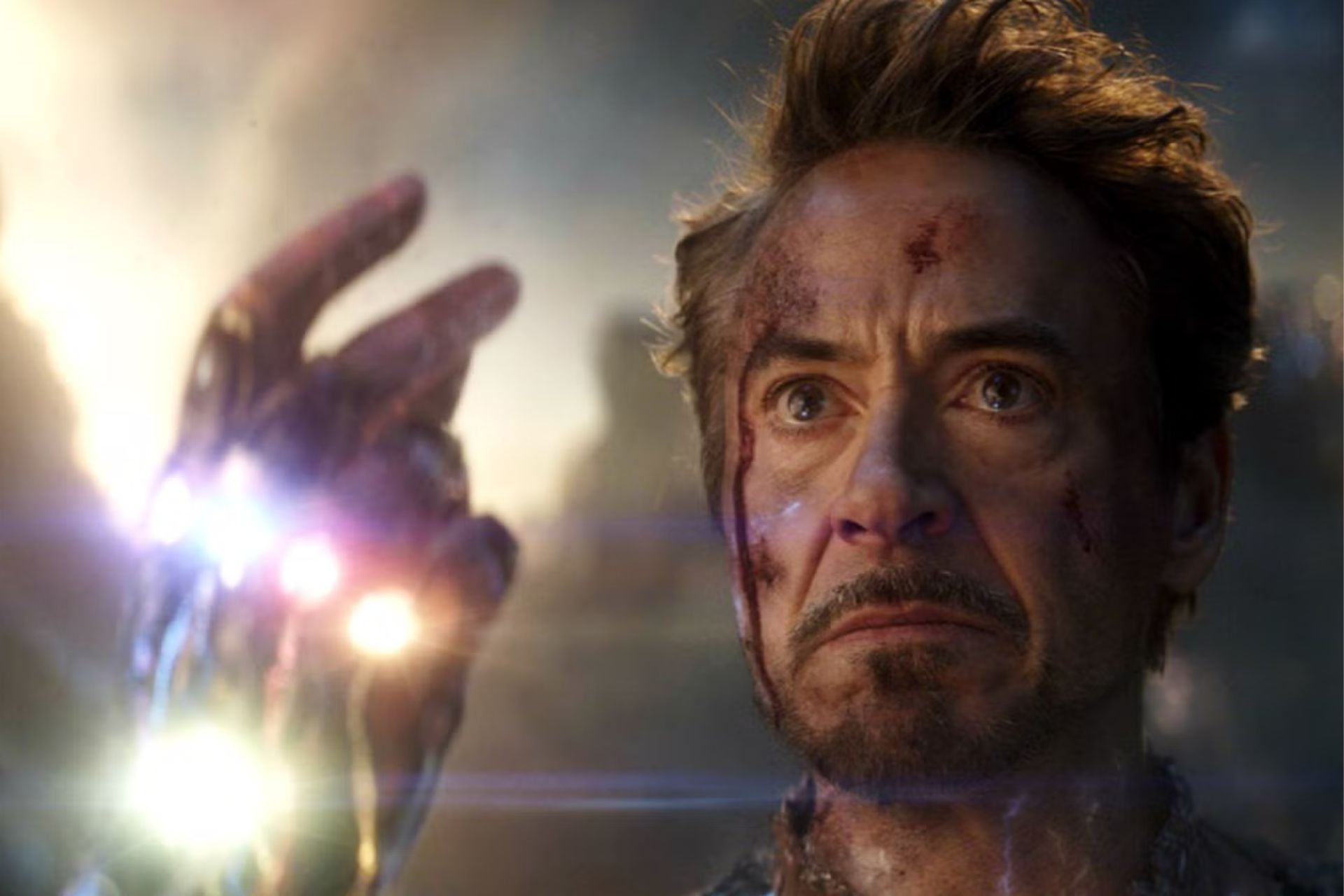
The original Endgame closed on the clang of metal. Endgame: Encore returns that audio cue but overlays quick cuts of Doctor Doom’s mask being forged. The imagery pairs Doom’s rise with the echo of Tony Stark’s origin. Doctor Doom’s mask is a thundercloud over Tony Stark’s legacy. That pairing forces a question: is Doom a rebuttal to Stark’s choices or a consequence of them?
Robert Downey Jr.’s public comments and social posts have fed rumor mills on who, if anyone, might return or reappear in new forms. Whether Tony’s snap altered more than the battlefield — whether it created pathways for Doom’s ascendance — is now a central theory in every forum from Reddit threads to industry trackers on Deadline and Variety.
What matters now is sequence and motive: who pulls which strings and when. Feige’s team appears to be engineering a cascade of reveals that start small and compound into a studio-spanning clash. Streaming chatter, box office tracking, and the industry’s trade press will try to map every hint between now and December 18.
If you follow the breadcrumbs on social platforms — Instagram posts from actors, X threads from insiders, and clips on Disney+ — you’ll see the pattern: Marvel is trading certainty for curiosity. That’s a risky choice. It begs the question: does teasing a multiverse apocalypse make the emotional core stronger, or does it risk turning grief and sacrifice into spectacle?
Which do you think it will be?