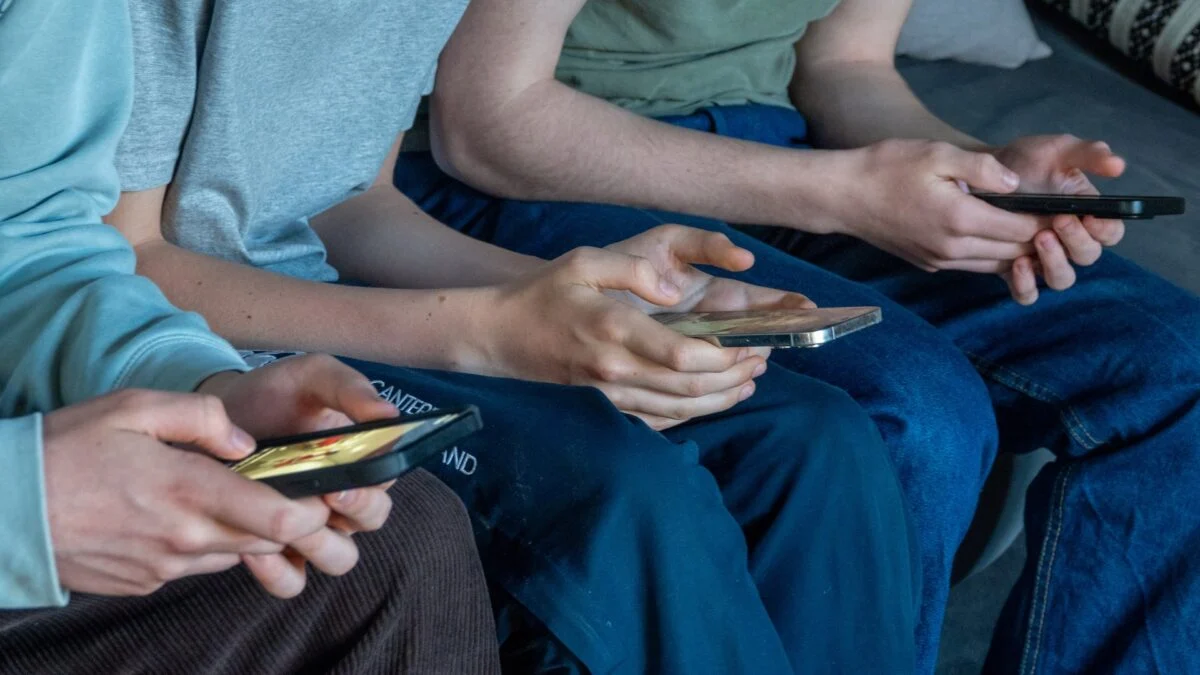
I was watching a 14-year-old close an app and then reopen it within seconds. The pause felt like a promise broken—and also like the start of an argument everyone in Washington is now having. You and I are living inside that argument.
I cover technology policy, and I’ve read enough surveys to know when a number is a nudge and when it’s a shove. Reuters and Ipsos just nudged—and shoved: their July 29–August 3 poll of 4,505 U.S. adults (±2%) shows Americans across party lines want tougher rules on social media.
At my cousin’s kitchen table, my 15-year-old scrolled until midnight.
The Reuters/Ipsos poll finds a rare bipartisan alignment: majorities of Republicans, Democrats and Independents say social media companies need more government oversight, and similar majorities back laws requiring age-verification tools. Even Independents, often split on cultural issues, landed at 52% in favor of more oversight.
Those percentages aren’t abstract. They map to pressure on Congress, statements from the FTC, and fresh scrutiny of companies like Meta, TikTok, Twitter/X and YouTube. I’ve pushed regulation stories for years; this feels different because the public’s patience is fraying.
Do Americans want more regulation of social media?
Yes. The poll shows a bipartisan majority saying so. Republicans were especially likely to support age-verification—about 74%—while large majorities across the board (85%) believe platforms can be addictive and harmful to children’s mental health.
At a suburban school board meeting, parents cheered when officials asked for better controls.
That cheering translates into very specific concerns: addiction, mental health harms, and time lost. Reuters reports 85% of respondents said social media can be addictive for children and 85% said it harms kids’ mental health. Yet 70% also told the poll that using social media is fun.
You see the tension: people want the experience—and they want it cleaned up. I’ve sat in rooms where teachers call feeds “a distraction factory.” Platforms are acting like carnival barkers, loudly competing for attention while regulators sketch rulebooks.
Is social media harmful to children’s mental health?
The poll’s numbers say the public believes so. Anecdotes and school data back that up, though causation is debated. Still, when 85% of adults agree a product can be harmful to kids, that becomes a political and regulatory problem for companies and lawmakers alike.
Digging deeper, Reuters found 52% of respondents admit they spend too much of the day on social media; 43% say they do not. Only 35% reported that being on social media made them stressed out. Those mixed signals explain why policy asks are messy: people find value and harm in the same product.
Should social media require age verification?
Public support is strong. Lawmakers on both sides of the aisle have floated age checks and stricter sign-up rules, and tech firms are under pressure to design practical solutions that don’t violate privacy or push teens toward less-regulated corners of the web.
Here’s what I tell colleagues and sources: you can’t legislate away attention without redesigning the incentives that buy it. Platforms make money off engagement; advertisers follow users; engineers chase metrics. Changing that chain is like trying to unring a bell—but not impossible.
For you, the takeaway is simple: the moment is political, technological and personal. Reuters and Ipsos captured a public that wants safeguards yet still clicks “like.” The real fight will be about how to keep the fun without the harm, how to protect kids without breaking privacy, and how to make companies accountable without killing legitimate speech.
I’ll keep watching what Congress, the FTC and companies such as Meta and TikTok do next. Will regulators move fast enough, or will the feeds keep getting louder while the public claps and complains?