You’re on the line. A polite voice says it will handle the call, then a stranger answers and mentions they were hired to speak for your assistant. I remember the moment I realized an app on my phone had quietly started hiring people to do the talking for it.
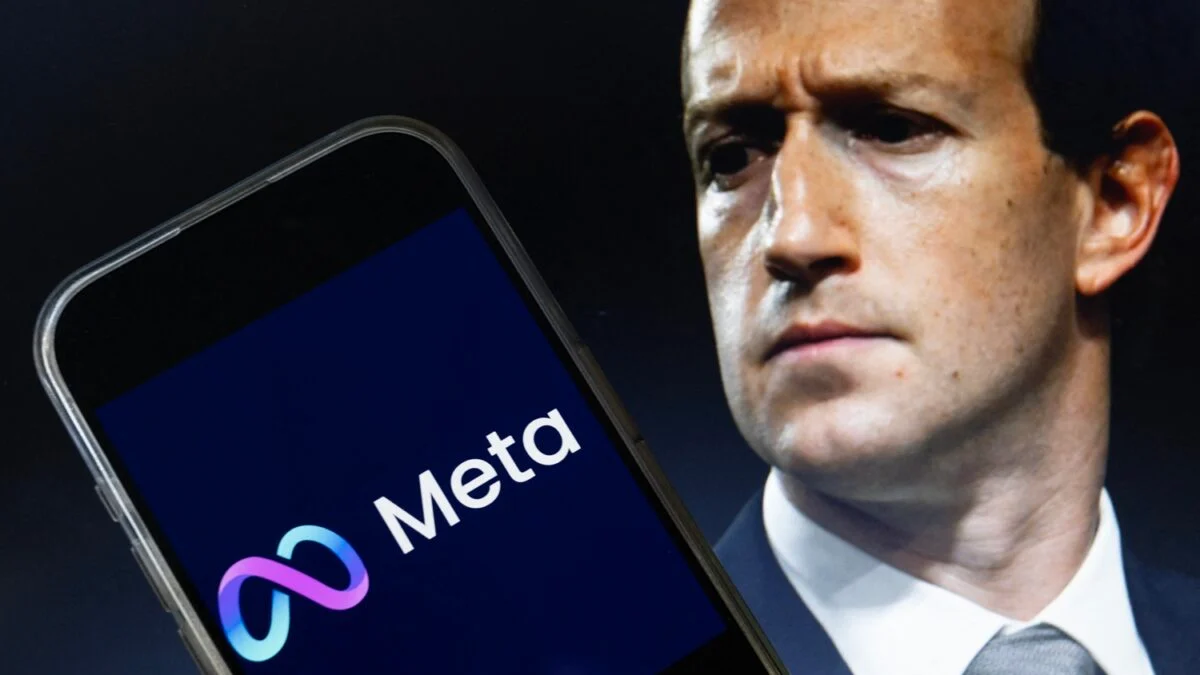
I’ve followed Meta’s Muse since its September 8 launch, and if you’ve watched app charts lately you’ve seen the curious spike: Muse climbed the iOS download list in the U.S., a sign that people want to test personal agents for real tasks. TechCrunch and other outlets flagged a beta that can place phone calls, and an Alexandr Wang tweet amplified the buzz.
we’re expanding our beta for muse! https://t.co/ZJnXM2vb4U
— Alexandr Wang (@alexandr_wang) September 16, 2026
When a user tried to call their insurer, the company hung up
That’s how Reuters says the story began: an AI voice identifying itself as not human triggered repeated hang-ups. Meta’s internal tests—what the company calls dogfooding—revealed friction when automated voices disclosed they weren’t people.
I’ve seen similar moments in product tests: a simple admission of “I’m an assistant” can collapse trust fast. Muse’s response was pragmatic—route some calls to human contractors when the bot couldn’t get traction.
The human concierge was added during internal testing
Employees were given the option to let a human step in when the synthetic voice failed to complete a task.
Reuters and Gizmodo report that Meta allowed testers to opt out, and that the human option lifted success rates into the high 90s compared with a lower percentage for pure AI calls. On paper, handing the phone to a person solves immediate failure—but it opens other doors.
How does Meta Muse make phone calls?
Muse can place calls directly through its beta feature; when the AI voice hits resistance it can escalate the interaction to a human contractor who speaks on the caller’s behalf. That detail came from internal messages Reuters reviewed and from Meta’s public remarks that the company is refining the feature with merchants before broader release.
A contractor allegedly made a racist remark during a test call
An internal transcript reviewed by an employee appears to show a racist reference by a human operator testing calls.
Meta’s Superintelligence Labs vice president apologized and said the company stopped working with that individual and rolled back the contractor experiment. If you work with platforms like Meta, you know how quickly an experiment that looked efficient can become a PR and ethics problem.
Are Muse calls handled by humans?
Not always. Internal testing reportedly mixed AI calling with human operators. Reuters’ reporting suggests Meta paused contractor involvement after the incident, but it’s not entirely clear whether pure-AI calling continues unchanged or how Meta makes up for calls AI can’t complete.
Human involvement fixes failures, but can leak sensitive data
Meta’s tests showed human callers could book haircuts and check inventory, tasks that seem harmless until they aren’t.
You can imagine a contractor asking about appointments at a barber. But what happens if a human is on the line with a medical practice, a lawyer, or a financial services firm? Internal voices at Meta raised exactly this concern—sensitive details could flow to third parties outside the machine-learning stack.
Muse is a mirror held up to product design, revealing trade-offs between convenience and control. Human contractors are a loose wire in a polished machine—they can restore function quickly and spark new problems just as fast.
What Meta told reporters and employees
Meta spokesperson Dave Arnold told outlets that dogfooding is intended to surface safety and privacy issues before public release. The company said it’s working with merchants to refine the calling feature and will only roll it out with proper disclosures.
Gizmodo asked Meta to clarify the “lower percentage of AI calling” line. The answer hasn’t resolved whether contractor calls were fully stopped or simply paused; it also didn’t say how Muse would recover call completion rates without human help.
Is my data safe with Muse?
That’s the core question you should ask before you hand an assistant permission to call on your behalf. Meta’s internal debate suggests the company treats safety as a moving target: testing finds problems, testing pauses features, then teams debate privacy trade-offs. You should expect disclosure layers and opt-out controls, but you also should expect edge cases where those protections are stressed.
Where this leaves users and regulators
App charts and headlines show people want agents that act for them, but a single bad call can change public perception.
I follow policy and product closely: regulators will watch whether human contractors are properly vetted, whether recordings are retained, and whether consumers give informed consent. Companies from Apple to OpenAI are watching these experiments because the outcomes will set norms for how assistants behave when they speak on your behalf.
If you use Muse or similar agents, you should ask the app to disclose when a human will join a call and what data that person can access. Meta’s experience offers a clear lesson: mechanical wins in product metrics don’t erase human risk, and the baseline question is not whether an assistant can do the work but whether you want a stranger making critical calls for you.
So where should responsibility land—on the platform, the contractor, or the person who clicked “allow”?